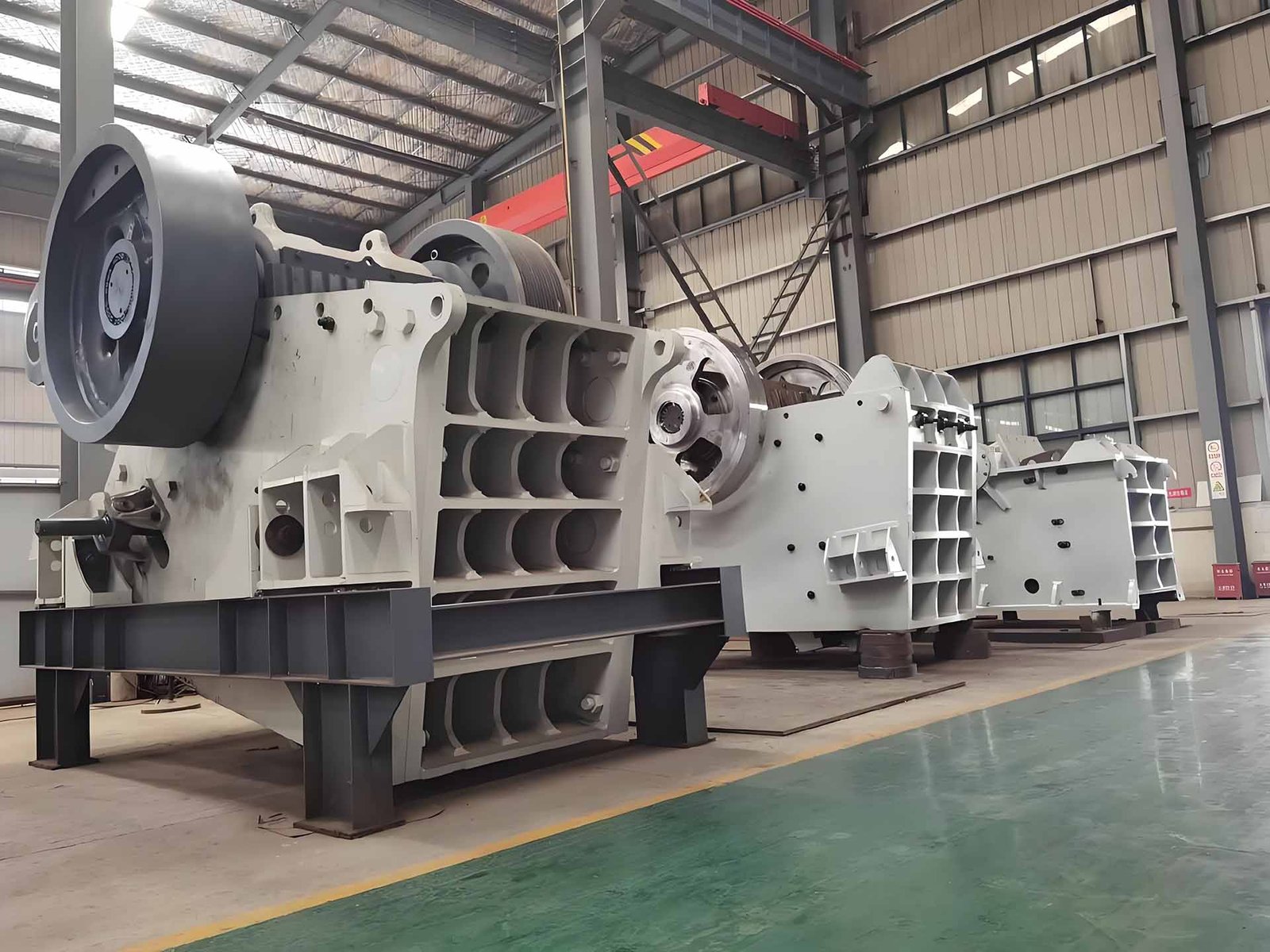
What Is Marine Crankshaft and Crankshaft Meaning
The marine crankshaft is the central rotating shaft in a marine engine that converts the reciprocating motion of pistons into rotational motion. In simple terms, the crankshaft meaning in marine applications is a critical structural component that enables a ship’s main engine to generate propulsion power efficiently.
Unlike automotive crankshafts, marine crankshafts are significantly larger, heavier, and must withstand continuous high loads over long periods. Because they operate in demanding environments, these components are designed, manufactured, and inspected with precision to ensure reliability and safety at sea.
Marine Crankshaft Definition and What Does a Crankshaft Do
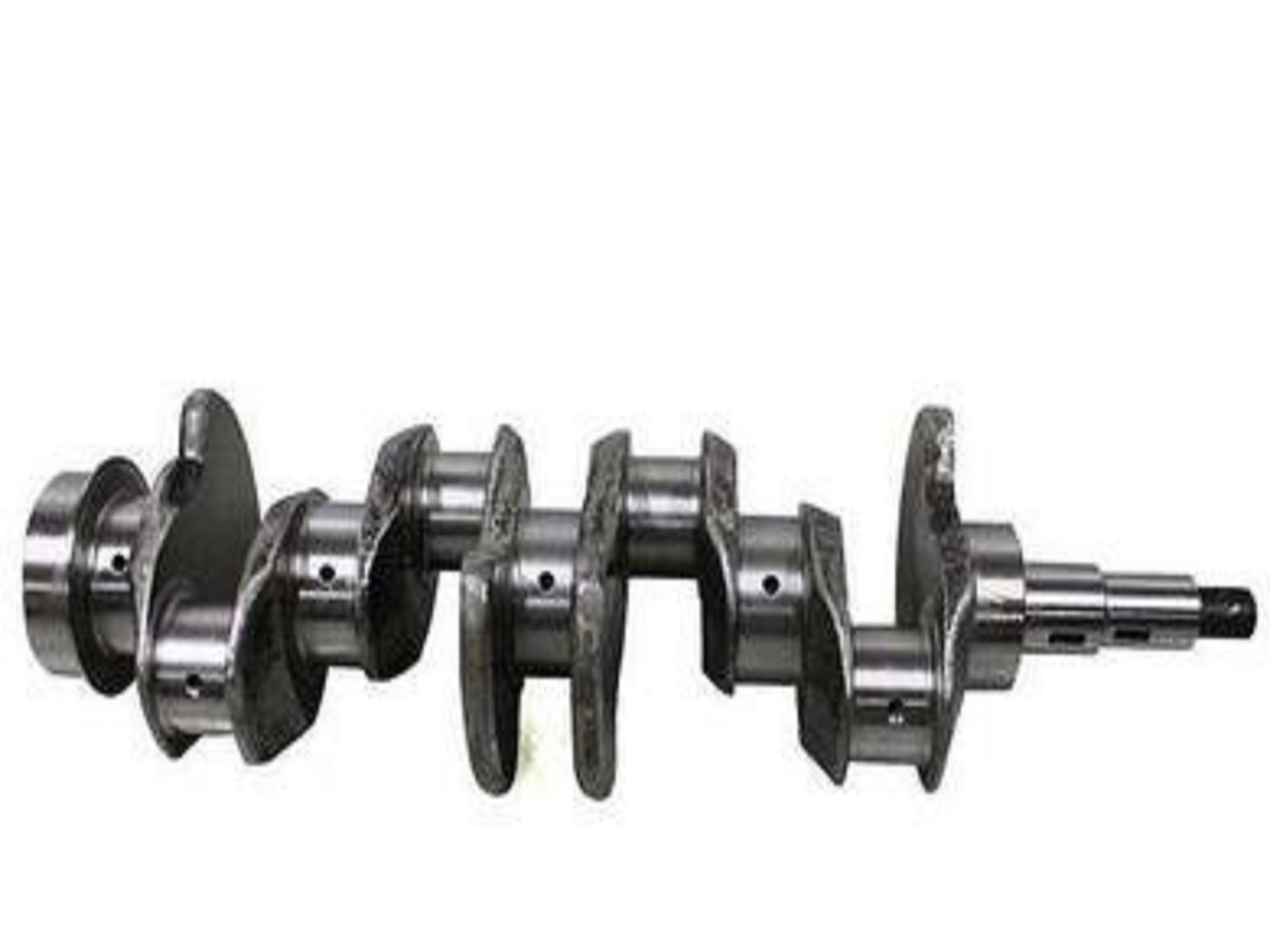
The marine crankshaft definition refers to a forged and machined assembly of journals, crank throws, counterweights, and fillets. What does a crankshaft do in a marine engine is convert the linear motion of multiple pistons into a smooth rotational motion that drives the propeller shaft.
In large marine diesel engines, the crankshaft must absorb and balance forces from multiple cylinders, deliver torque in excess of thousands of Nm, and maintain structural integrity under thermal and vibration stress.
What Are Crankshafts in Marine Engines
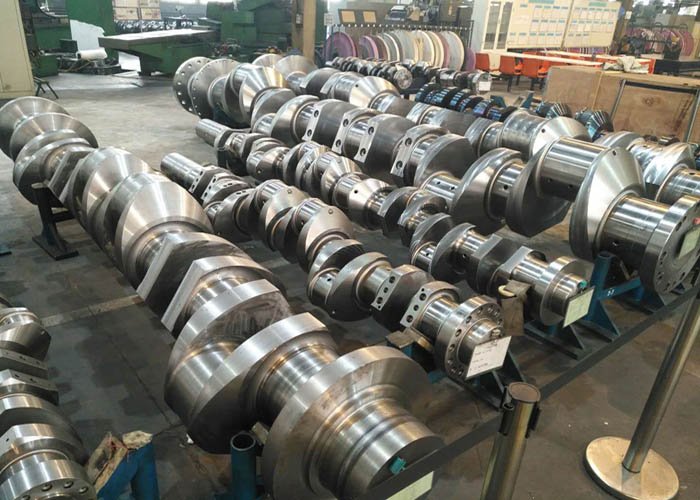
Marine engine crankshafts are the center of power transmission. They are connected to the main bearings and connecting rods, and the camshaft is connected through the timing systems. So what is a crankshaft? It is a sturdy mechanical part, which is designed for heavy mechanical load and wear and tear.
A marine crankshaft generally contains:
Main journals which serve as movement support points in the engine block
Crank throws that are used for the attachment of the connecting rods
Counterweights to counter the rotating mass
Oil passages so that the lubricating oil can reach the bearings and journals
In all, these parts provide uninterrupted functioning of an engine under very heavy loads.
Types of Marine Crankshafts Used in Main Engines
The variation of marine crankshafts is based on the type of the engine, the number of cylinders, and the operating profile. The commonly used ones are inline, V-type, and opposed piston designs. Each of these shapes affects the bearing loads, crankshaft geometry, and dynamic balance.
The majority of larger marine crankshafts are multi-throw, enormous units that necessitate advanced forging and machining techniques to combine the required strength, stiffness, and dynamic balance.
Materials and Manufacturing of Marine Crankshaft
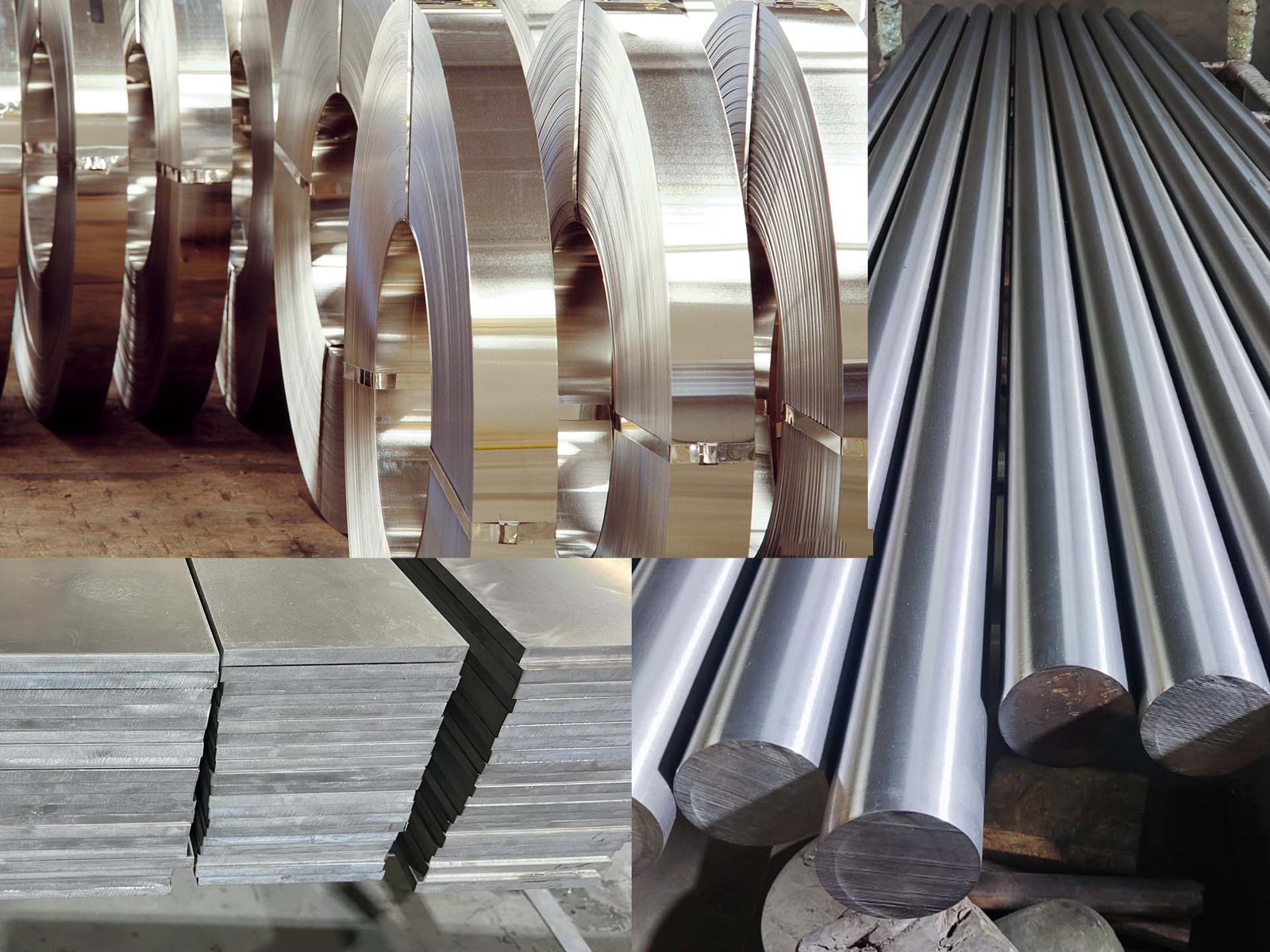
The selection of the material plays an important role in the performance of a marine crankshaft. In most cases, high-strength alloy steels that contain elements like chromium, molybdenum, and nickel in different proportions are the ones used because they exhibit high tensile strength, good impact resistance, and excellent fatigue behavior.
The production of the parts usually involves:
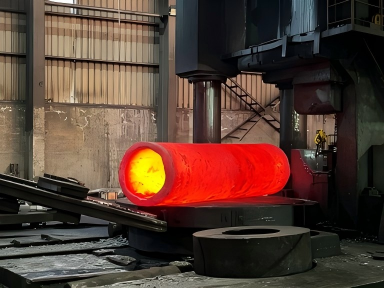
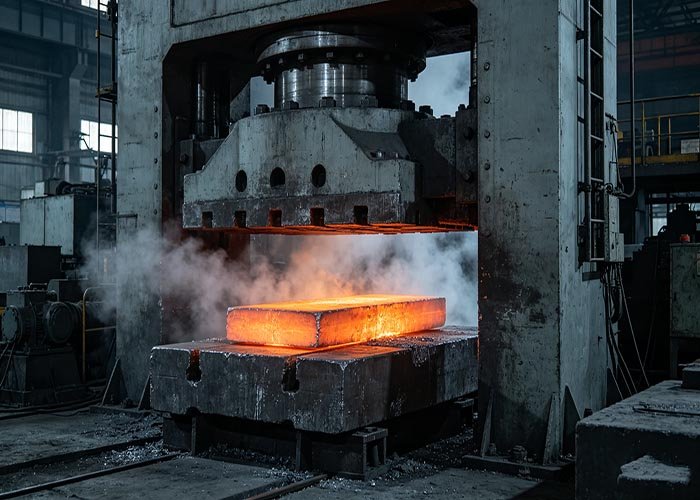
Heavy open-die forging for obtaining a dense grain flow
Precision rough machining for the definition of journals and throws
Heat treatment for the adjustment of mechanical properties
Completion of machining and balancing for the adjustment of dynamic behavior
Following this procedure, marine crankshafts are capable of resisting the cyclic loads of the engine and the rough engine environment.
Crankshaft Bearing and Its Role in Marine Engines
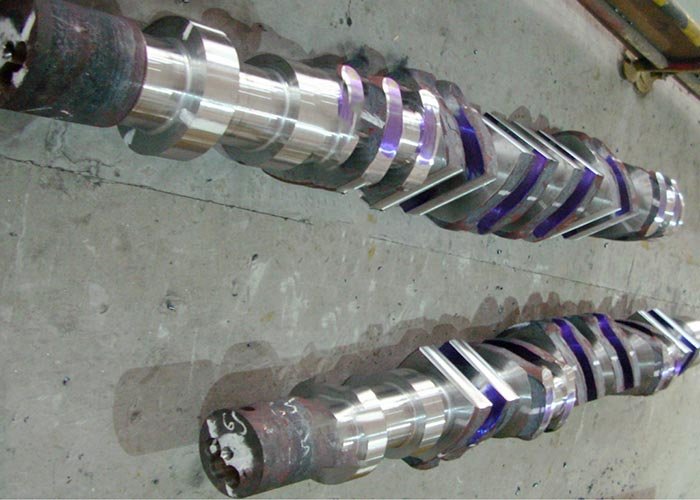
Crankshaft bearings play the role of the engine block as the support for the rotating crankshaft and also enable smooth rotation under load. In marine engines, the crankshaft bearing surfaces are required to withstand extremely high pressures and continuous operation over thousands of hours.
Marine crankshaft bearings usually consist of a layered bearing material that offers strong fatigue and wear resistance characteristics. Using the right lubrication and carrying out regular maintenance are two ways of preventing bearing failure that could result in significant engine damage.
Sensor Crankshaft Position in Marine Engine Control
Nowadays, advanced marine engines are equipped with electronics for monitoring and control. The crankshaft sensor is a device that detects the angular position and speed of the crankshaft and sends this information to the engine control system.
Efficient crankshaft position sensing is extremely important for fuel injection timing, combustion optimization, and engine lifting — that is where large marine propulsion systems come in.
Custom Crankshaft Solutions for Marine Applications
Vehicle reliability and crankshaft integrity are directly linked by a number of pathways. First, when we think structurally about the crankshaft, it is very much a centerpiece of the mechanical power transmission system. So if there was a failure then one of the first major consequences structurally would be an almost certain loss of power to the propulsion system. The vessel, hence, is crippled and therefore an issue of great concern for operational staff.
A custom crankshaft is a marine engine part that is designed to meet the specific criteria of geometry, load, and weight that standard parts can not accommodate. Custom crankshaft solutions usually involve things like tailor-made forging blanks, in-depth FEA analysis, and custom machining processes to fulfill strict marine performance requirements.
Why Marine Crankshaft Integrity Matters for Vessel Reliability
Marine crankshaft reliability is one of the major factors that can affect vessel performance and safety. You should consider instances when the structural failure of a marine crankshaft has the potential to lead to many negative consequences, e.g., loss of propulsion, engine damage, and extended downtime. All such outcomes are undesirable in commercial and naval operations. It is crucial to understand that a marine crankshaft is essential for accurate power transmission. If the crankshaft is not capable of functioning properly, then in fact, the entire marine engine will operate with lower efficiency. So, making sure the marine crankshaft is in perfect condition is one of the most significant tasks that are usually carried out regularly.
Ensuring crankshaft integrity requires meticulous design, quality material selection, precision forging, and strict quality control at every manufacturing step.
How TIP TOP Supports Marine Crankshaft Manufacturing
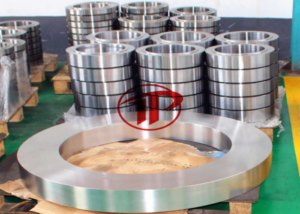
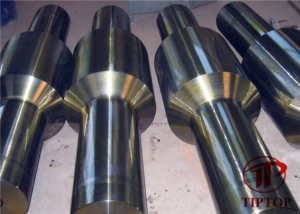
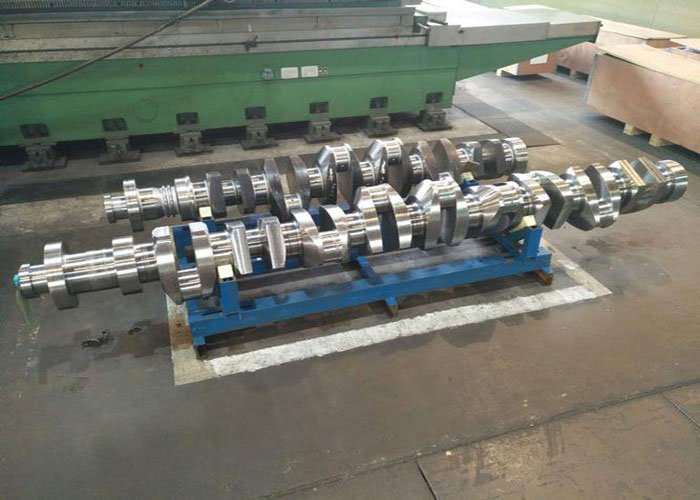
TIP TOP Forging is a professional manufacturer specializing in large steel forgings used as the foundation for marine crankshaft production. Although final crankshafts require integrated machining and inspection, the forging stage determines the core mechanical properties that define reliability and long service life.
At TIP TOP:
Large-section alloy steel billets are selected for optimal mechanical properties
Heavy open-die forging processes establish refined grain flow
Pre-machining and blank preparation ensure dimensional control
Material traceability and inspection guarantee performance under load
By supplying high-integrity forged crankshaft blanks, TIP TOP helps engine builders produce marine crankshafts that deliver dependable power transmission in demanding marine environments.
Conclusion: Marine Crankshaft as a Core Structural Component
In summary, a marine crankshaft is more than a rotating shaft — it is the structural anchor of a marine engine’s power system. From converting piston motion into usable torque to maintaining dynamic balance under load, every aspect of crankshaft design and manufacturing affects engine performance and vessel reliability.
Understanding the crankshaft meaning, function, material selection, and bearing interaction helps shipbuilders and engine manufacturers make informed decisions. Partnering with experienced forging suppliers like TIP TOP ensures a solid foundation for building durable, high-performance marine crankshafts.