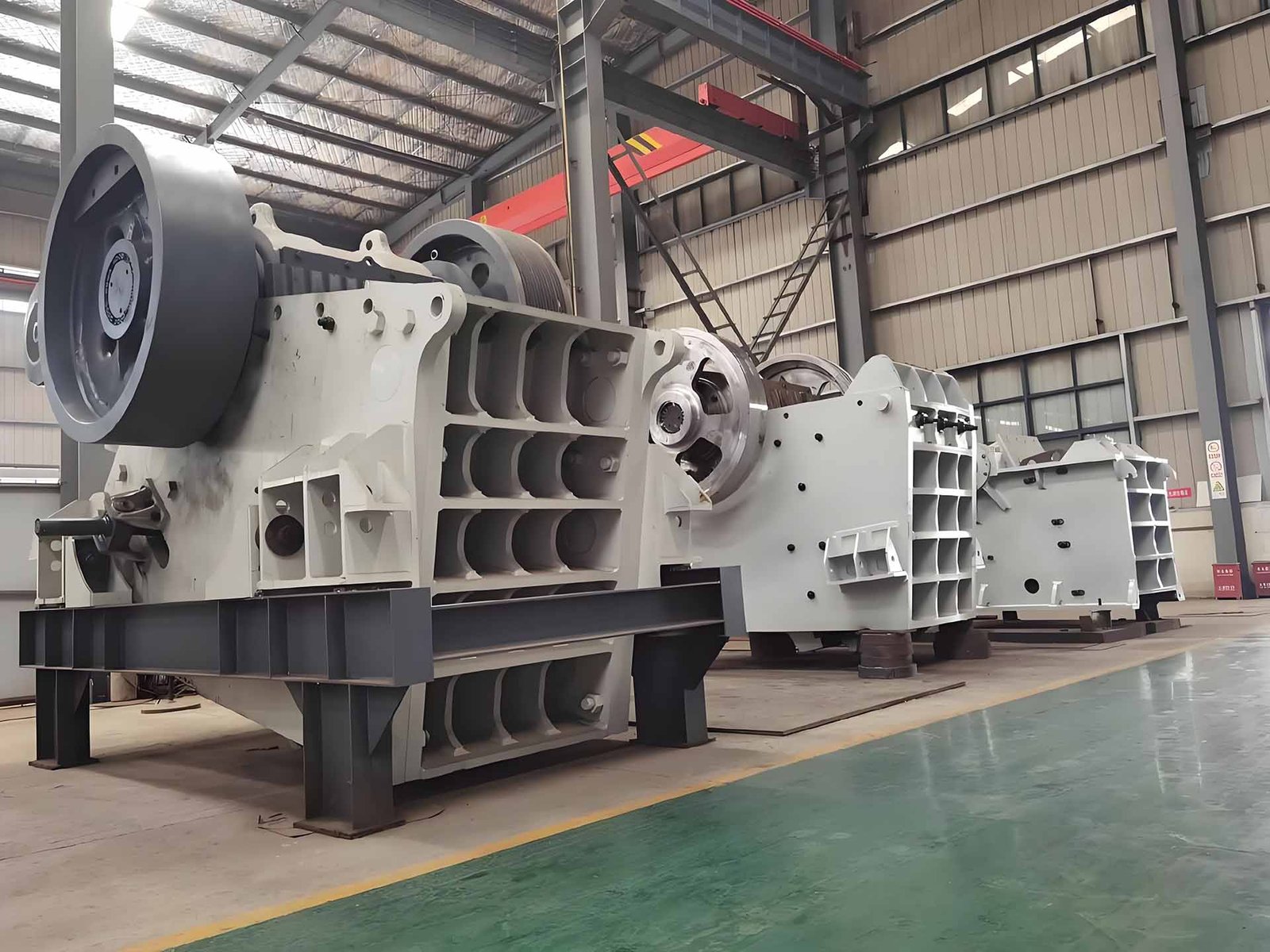
Forge steel is a manufacturing process that shapes steel through controlled compressive force. Instead of melting the metal like casting, steel forging reshapes solid material under pressure, improving internal grain flow and mechanical strength.
In this article, we explain what is forged steel, how forge steel draw steel processes work, the difference between forged and cast products, and how TIPTOP Forging delivers reliable steel forgings for industrial applications.
What Is Forged Steel and How Does the Forge Steel Process Work?
When customers ask what is forged steel, they are usually comparing it with cast steel or machined parts.
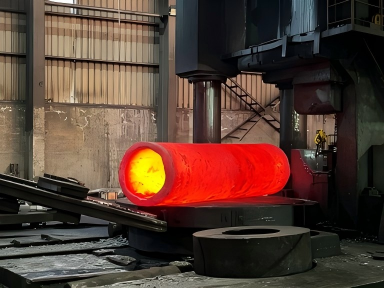
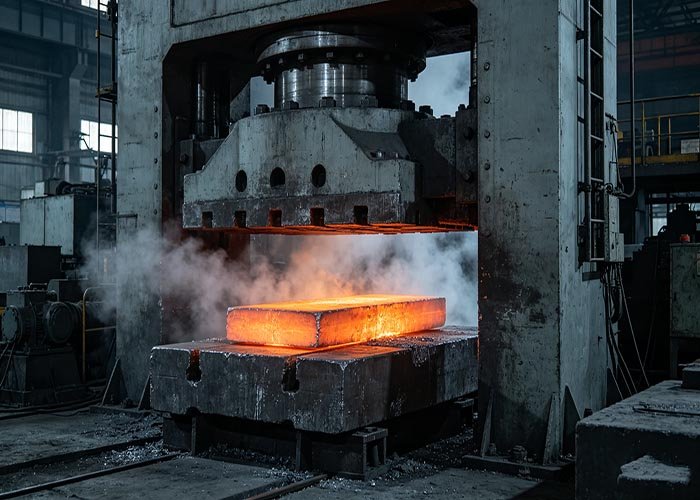
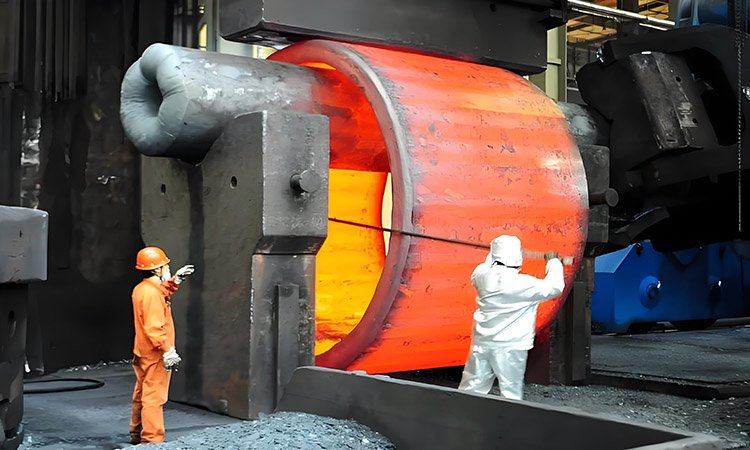
Forged steel is produced by heating steel to a controlled steel forging temp and then shaping it using hammers, presses, or drop forging equipment. During the forge steel process, the internal grain structure of the material is deformed and aligned along the shape of the part. This directional grain flow increases impact resistance and fatigue strength.
Unlike casting, where molten metal solidifies in a mold, steel forging keeps the material in solid state. The result is generally higher structural integrity and fewer internal defects such as porosity.
At TIPTOP Forging, the forge steel process begins with carefully selected billets, followed by heating, forming, trimming, heat treatment, and inspection.
Forge Steel and Steel Forging Temp Control in Real Production
Steel forging temp plays a critical role in product quality. If temperature is too low, cracking may occur during deformation. If too high, grain growth can reduce mechanical performance.
Different grades require different forging temperature ranges. Carbon steel, alloy steel, and tool steel each have specific forge steel temp windows. Temperature control ensures proper metal flow during steel forging while maintaining material properties.
In practical production, monitoring heating uniformity and deformation timing is as important as the forming force itself. At TIPTOP Forging, furnace temperature is controlled and recorded to maintain consistency across batches.
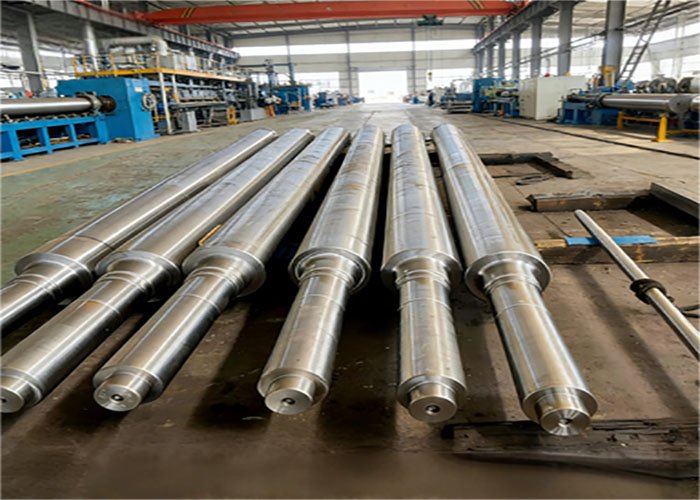
Forge Steel vs Cast Steel: Why Steel Forgings Offer Structural Advantages
One common question in the market is the difference between forged and cast products.
Forge steel products are shaped under pressure, which compacts the material and refines the grain structure. In contrast, cast steel solidifies from liquid form, which can sometimes lead to shrinkage cavities or internal discontinuities.
Because of this structural difference, steel forgings are often selected for:
- Load-bearing components
- High-impact environments
- Rotating machinery parts
- Pressure-containing fittings
However, forging is not always the automatic choice. For highly complex shapes or low-load parts, casting may be more economical. Material and design requirements should determine the selection.
Forge Steel Draw Steel and Material Flow During Steel Forging
The forge steel draw steel process refers to elongating and shaping heated steel through controlled deformation. During this stage, material flow is directed along the geometry of the component.
Proper draw steel control ensures that:
- Grain flow follows stress direction
- Internal voids are minimized
- Mechanical properties are optimized
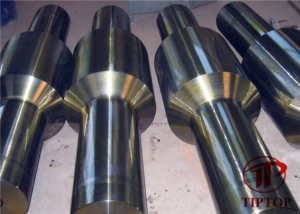
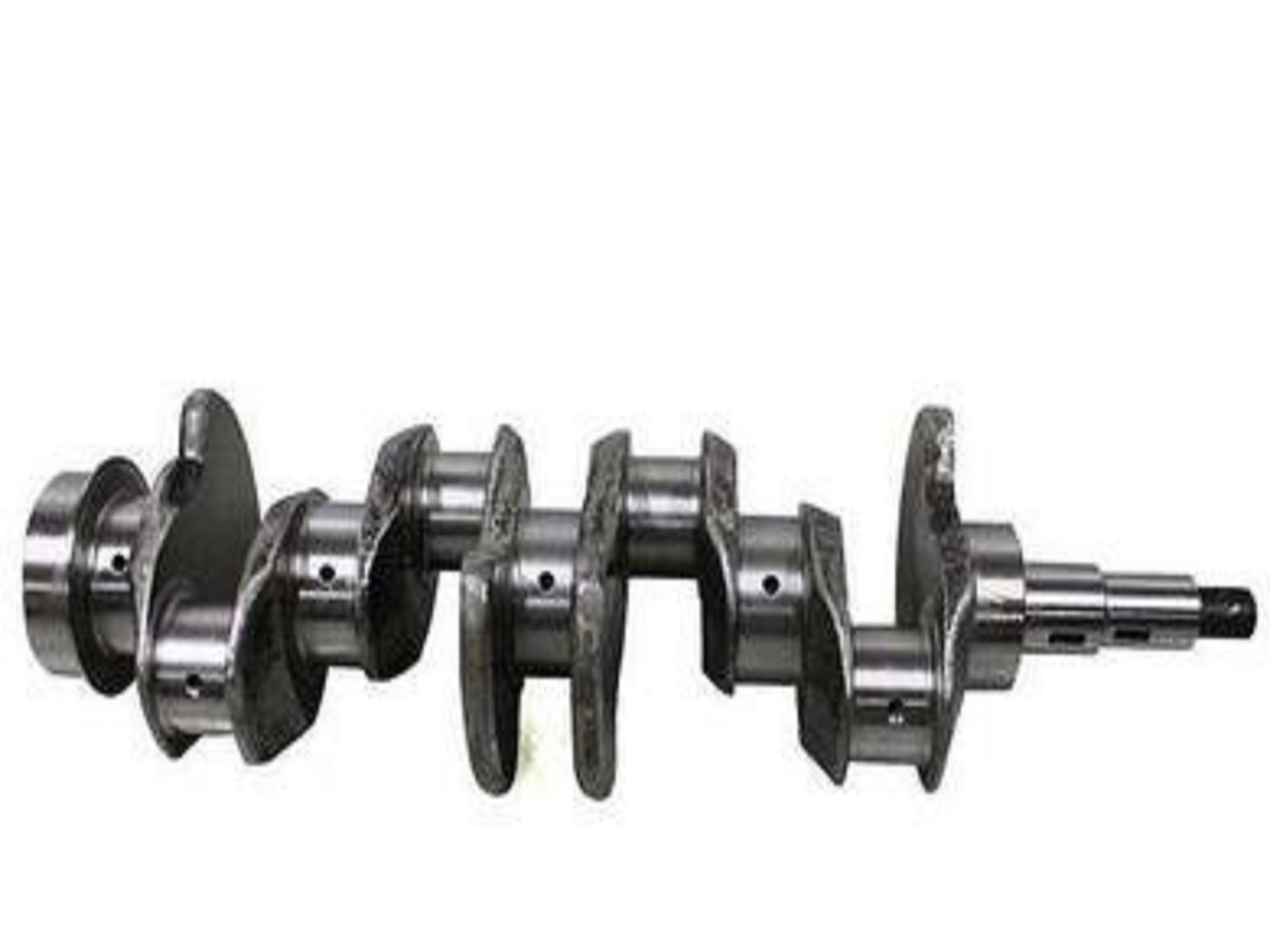
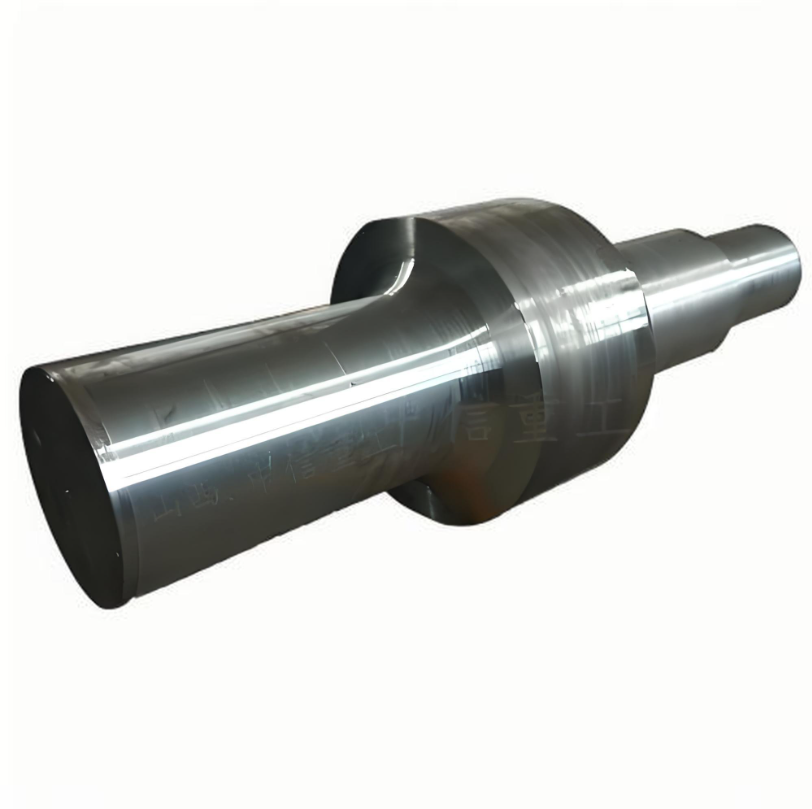
This is especially important in shafts, connecting rods, and structural brackets forged in steel where directional strength matters.
TIPTOP Forging uses simulation-supported tooling design to help manage material flow during the forge steel draw steel process.
Drop Forged Steel and Cold Steel Drop Forged Applications
Drop forged steel is produced by placing heated steel between dies and applying force through a hammer or press. The die shape determines the final geometry.
Drop forged steel components are widely used in:
- Automotive suspension parts
- Hand tools
- Industrial connectors
- Construction hardware
Cold steel drop forged products refer to forming operations performed at lower temperatures, typically for smaller components or finishing processes. Cold forging improves surface finish and dimensional precision but requires higher forming force.
At TIPTOP Forging, both hot drop forged steel and controlled cold steel drop forged operations are available depending on part size and application.
Forge Steel for Forged Steel Fittings and Industrial Components
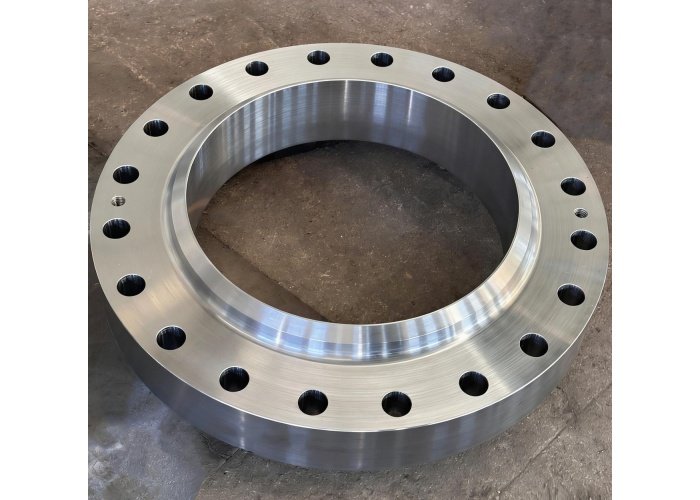
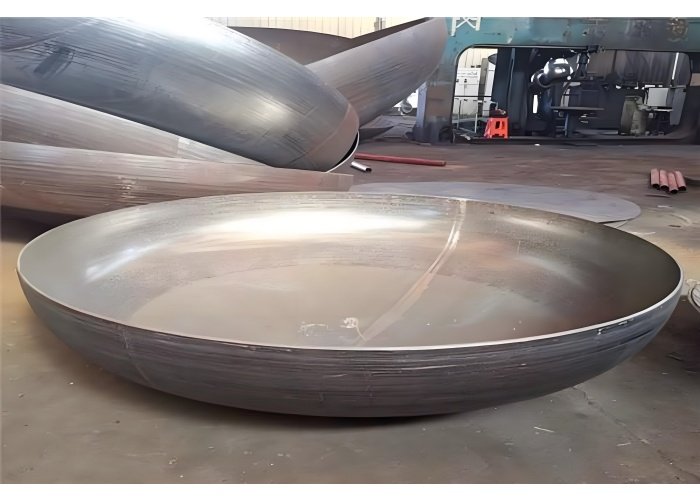
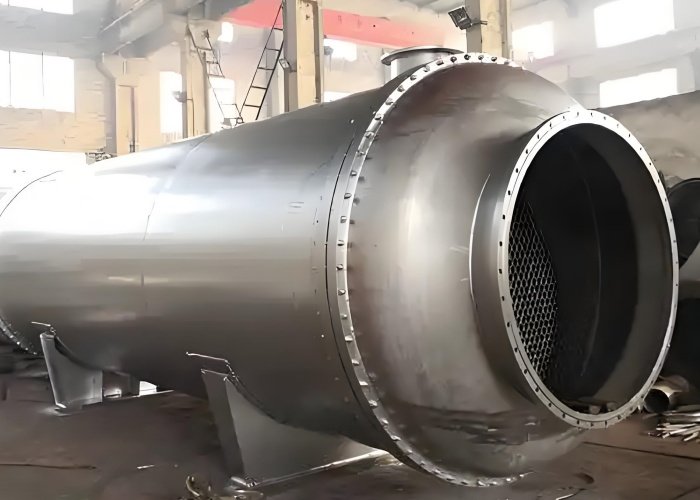
Forge steel is frequently used to produce forged steel fittings such as elbows, tees, couplings, and flanges. These fittings are commonly applied in oil & gas, chemical processing, and power generation systems.
Because steel forgings have improved structural continuity, forged steel fittings are preferred in high-pressure systems where leakage risk must be minimized.
Material selection may include carbon steel, alloy steel, or stainless grades depending on corrosion and temperature requirements.
TIPTOP Forging supplies forged steel fittings based on international standards or custom drawings, with mechanical testing and dimensional inspection before shipment.
Custom Steel Forging and Forged in Steel Engineering Capability at TIPTOP Forging
Custom steel forging allows manufacturers to produce components tailored to specific mechanical and dimensional requirements.
At TIPTOP Forging, custom steel forging projects begin with reviewing part drawings, load conditions, and material grade. Tooling is then designed to optimize forge steel material flow and minimize machining allowance.
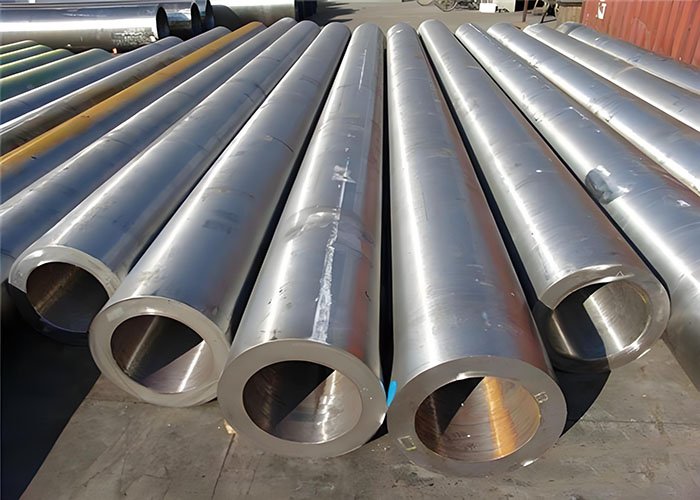
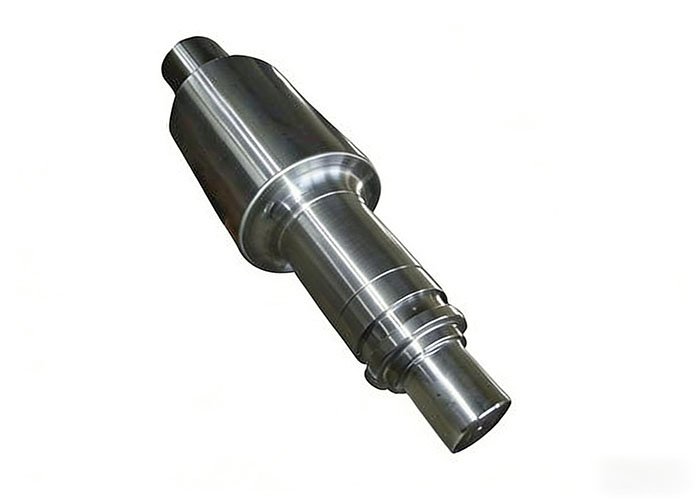
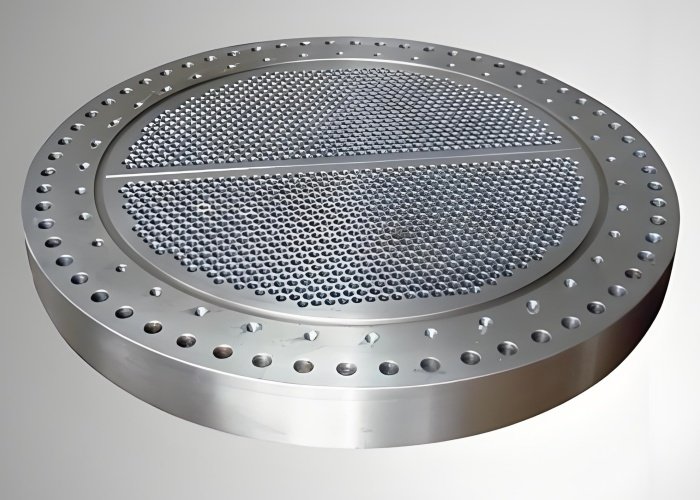
Products forged in steel at our facility include:
- Structural brackets
- Machinery shafts
- Connection components
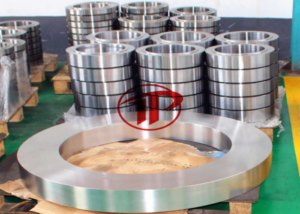
- Flanges
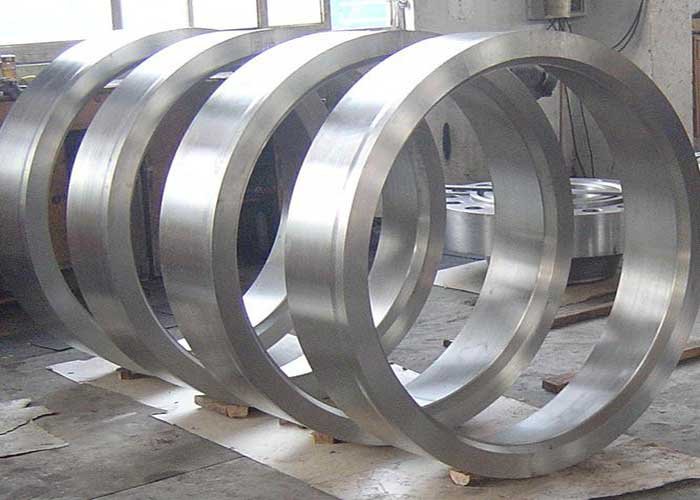
- Rings
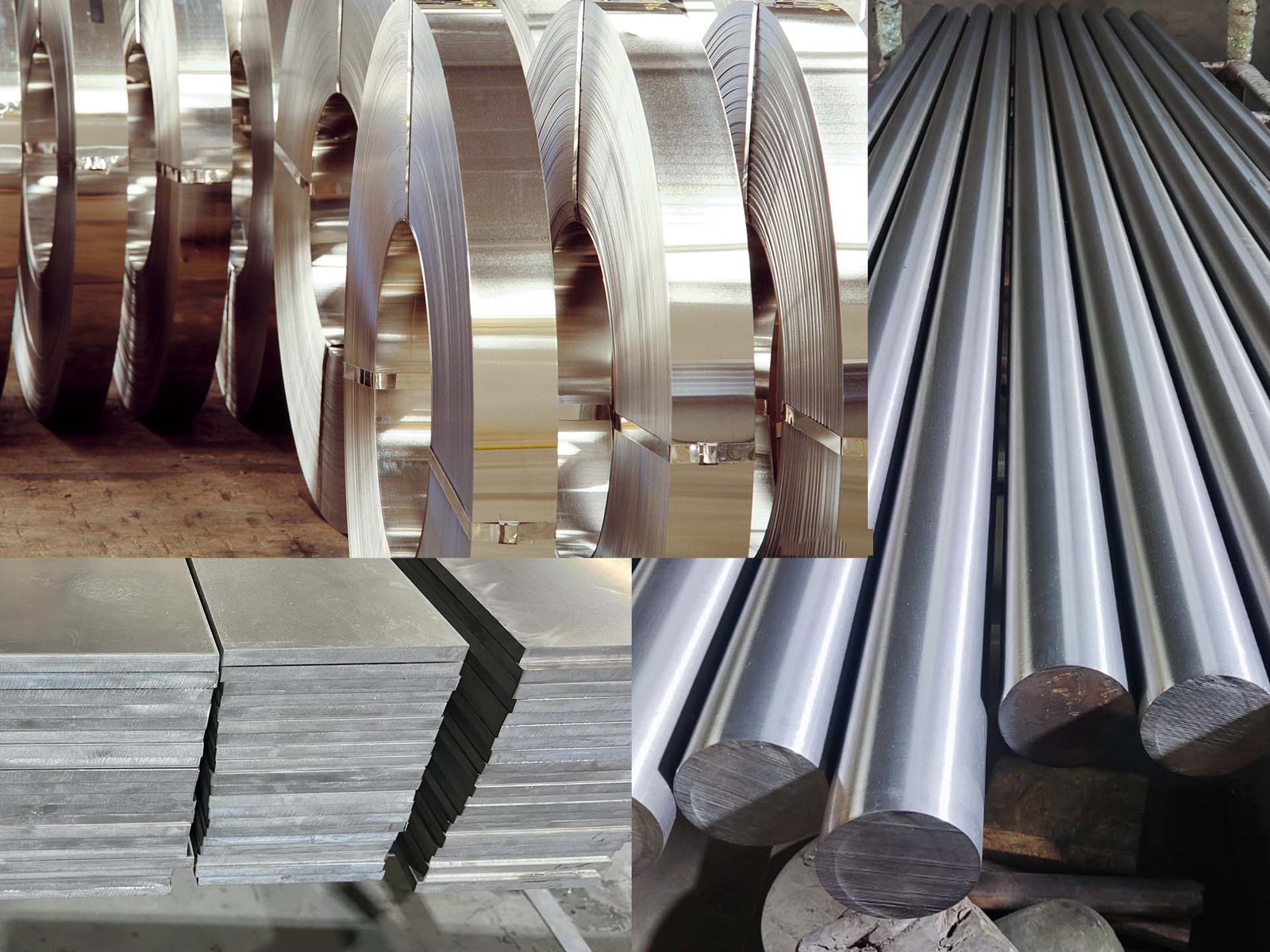
- Bars, and other custom products
We focus on realistic manufacturing capability. Not every part benefits from forging, and in some cases machining or casting may be more suitable. Our role is to recommend steel forging when it offers technical advantages.
Quality Control in Forge Steel Manufacturing
Reliable forge steel production depends on process control rather than equipment alone.
At TIPTOP Forging, quality control includes:
- Raw material verification
- Steel forging temp monitoring
- Dimensional inspection
- Mechanical property testing
- Surface and defect examination
This ensures that steel forgings meet required strength and durability standards before delivery.
Conclusion: Why Forge Steel Remains a Core Process in Steel Forgings Manufacturing
Forge steel remains one of the most reliable methods for producing high-strength components. Through controlled steel forging temp, proper forge steel draw steel techniques, and well-designed tooling, forged steel parts achieve structural advantages over many alternative manufacturing methods.
From drop forged steel hardware to forged steel fittings and custom steel forging projects, forging continues to serve industries that demand strength and reliability.
TIPTOP Forging supports customers with stable forge steel production capability and practical technical communication. If you are evaluating what is forged steel for your application, our team can assist in determining whether steel forging is the right solution based on load, environment, and cost considerations.