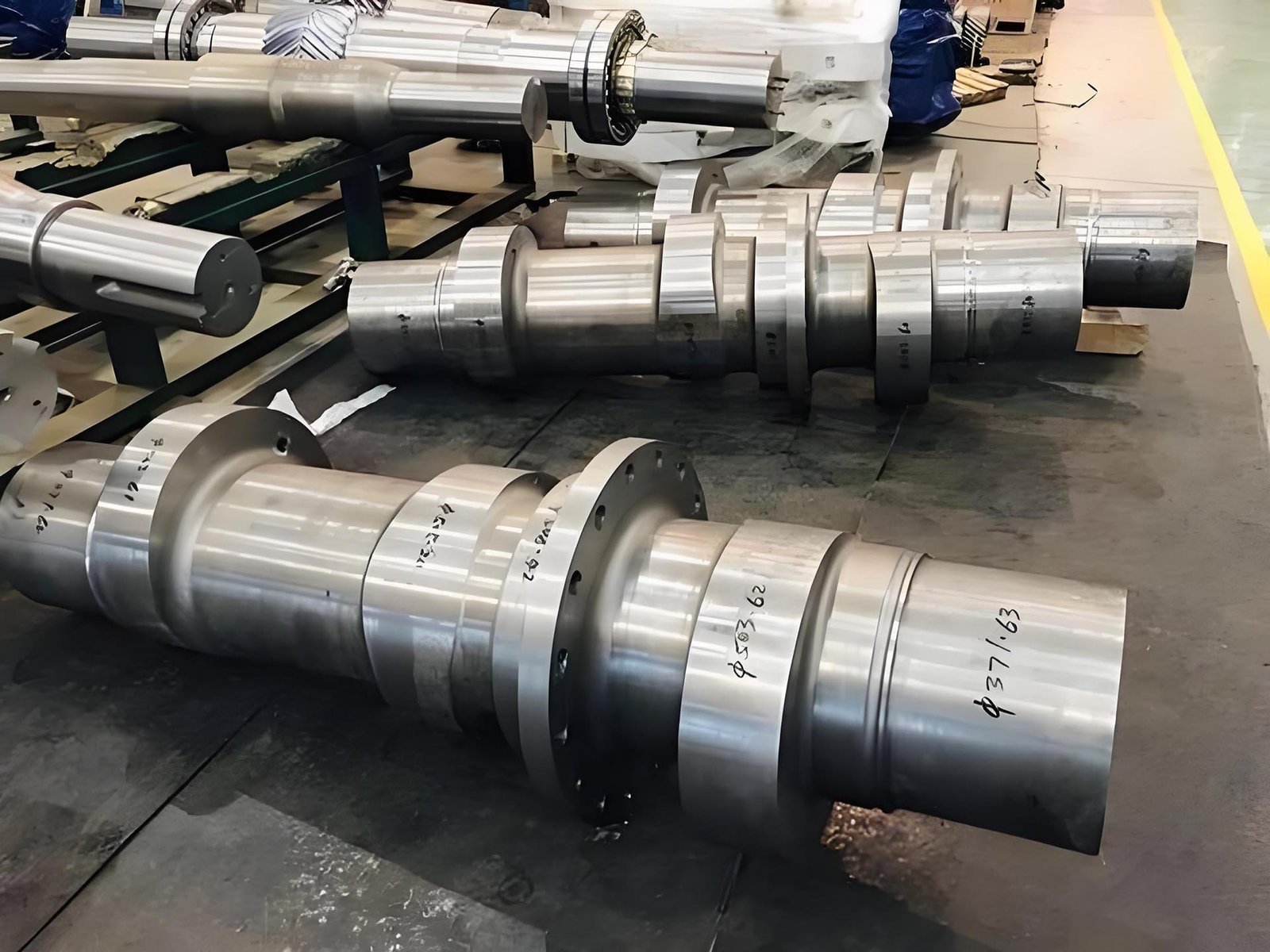
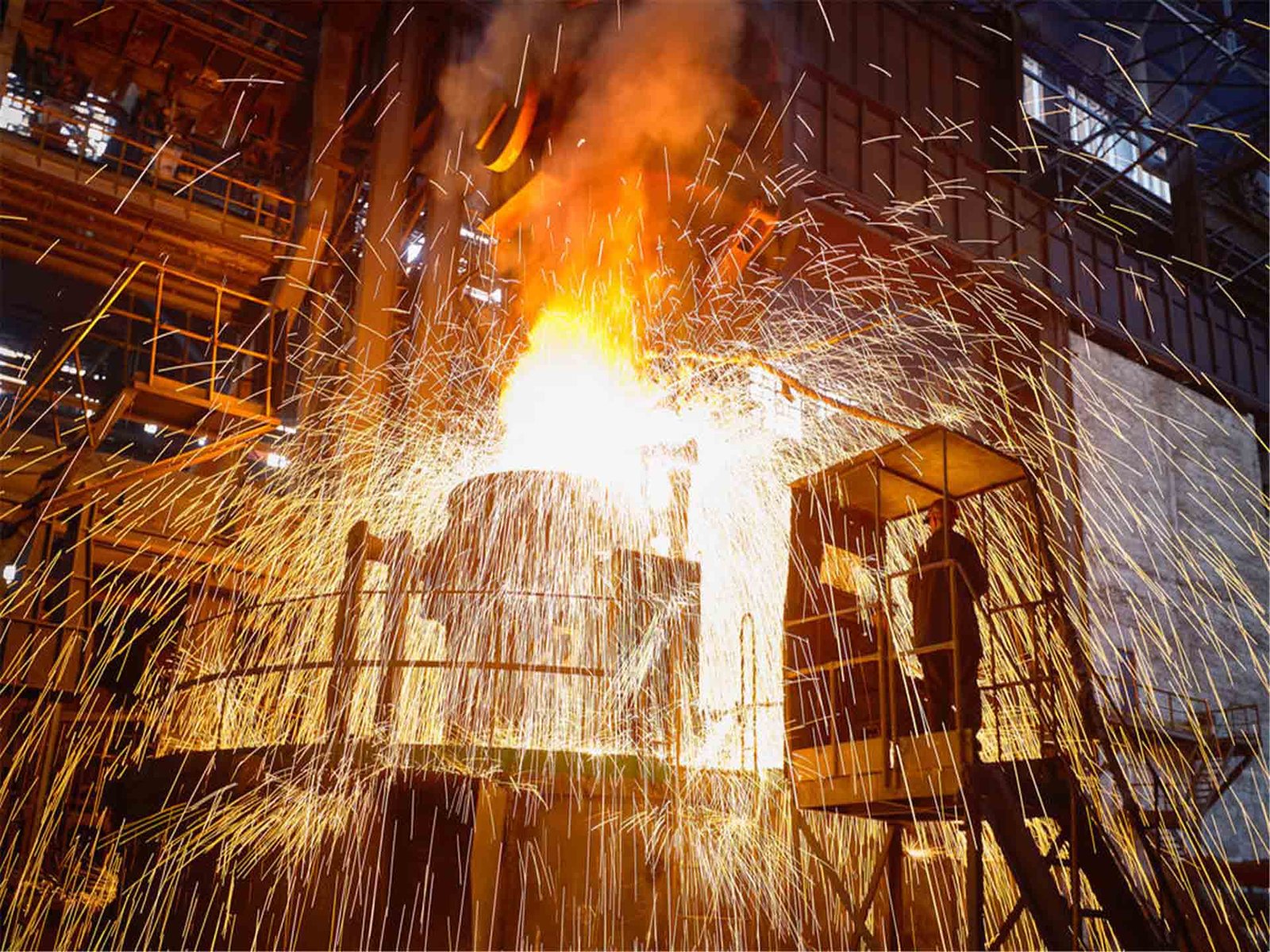
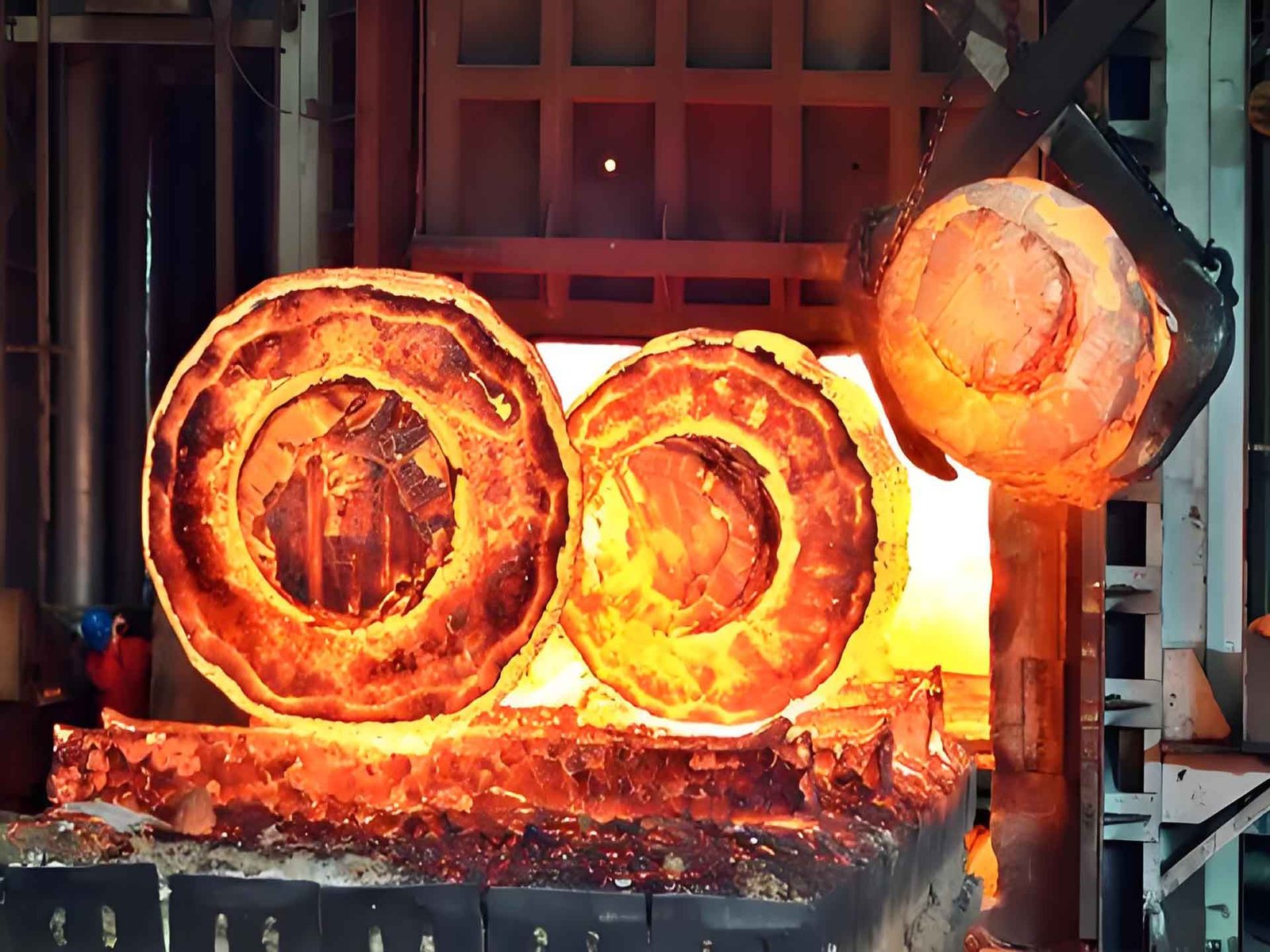
Aluminum is mainly favored for manufacturing in the modern world because it can deliver the benefits of low weight as well as good corrosion resistance. However, simple cast aluminum pieces might not be sturdy enough for parts that have to bear a high load or be subjected to repeated stress.
This is when the importance of aluminum forging comes into play. The internal grain structure of metal changes and gets denser and more uniform with the shape of the component when aluminum is heated, pressed, and then deformed. As a result, it is a material that can outperform in terms of mechanical properties many casting options.
Aluminum forgings nowadays find their application in aviation, transportation, industrial machinery, and energy sectors. Manufacturers like TIPTOP Forging regularly offer forged aluminum raw materials and semi-finished components that are subsequently machined into final parts by equipment producers.
What Is Aluminum Forging and How Aluminum Forgings Are Produced
Aluminum forging is about the basic shaping procedure, which might be useful to know.Within the forging, aluminum billets or bars are warmed up to a set temperature and then are molded either manually or automatically.This results in a stretched metal that still retains the same mass.The advantages of this process over casting include:
bottle necks that can be reduced
less internal porosity
better fatigue resistance
Therefore, aluminum alloy forgings tend to be the go-to option for production of parts capable of absorbing the effects of dynamic loading and structural stresses.
Aluminum Forging Materials and Aluminum Alloy Forgings Used in Industry
Depending on their mechanical property requisites, different alloy grades can be adapted to suit. It is very common for aluminum alloy forgings to be composed of heat-treatable grades of aluminum that deliver superior strength.
Typical forging alloys include:
Of all these, 7075-T6 aluminum forging is especially well-known for its excellent strength/weight ratio and hence is widely used in aerospace and structural machineries.
The decision regarding which alloy to use comes down to factors such as strength, corrosions resistance, and ease of machining.
Aluminum Forging Process Used by Aluminum Forge Manufacturers
There are several stages that the aluminum forging process usually goes through. The type of machinery used by different manufacturers might be different but the overall workflow is usually alike.
A standard production consists of:
preparation of the raw materials doing the heating of the billets
the pressing (deforming) or hammering (impacting) the forging
trimming and shaping of parts
post-treatment and quality check
For an aluminum forge to be considered reliable, they need to monitor things such as temperature, deformation rate, and cooling to not only guarantee but also maintain the quality of material properties.
Due to the fact that aluminum has a lower clogging temperature than steel in forging, the process needs to be carefully controlled to prevent surface defects.
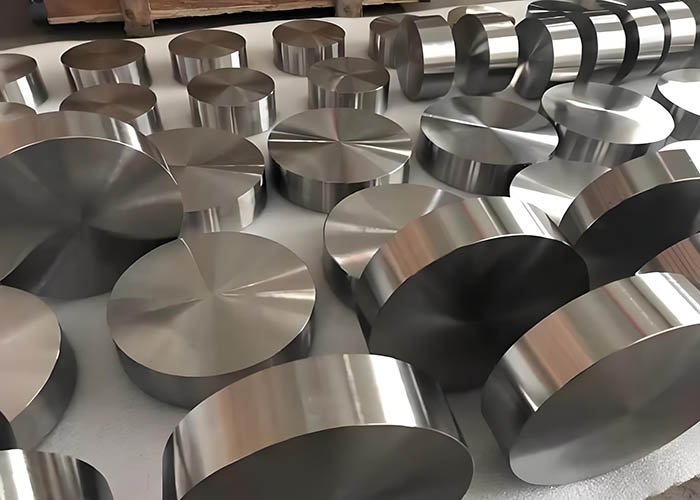
Custom Aluminum Forgings and Forged Aluminum Parts for Machinery
Many industrial components require special dimensions or shapes. For this reason, manufacturers often order custom aluminum forgings rather than standard parts.
Examples of forged aluminum parts include:
mechanical housings and structural components
lightweight equipment frames
forged aluminum block components for machining
forged aluminum pan parts used in mechanical systems
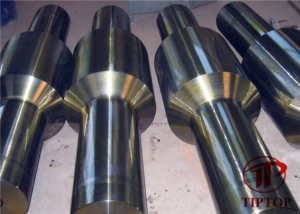
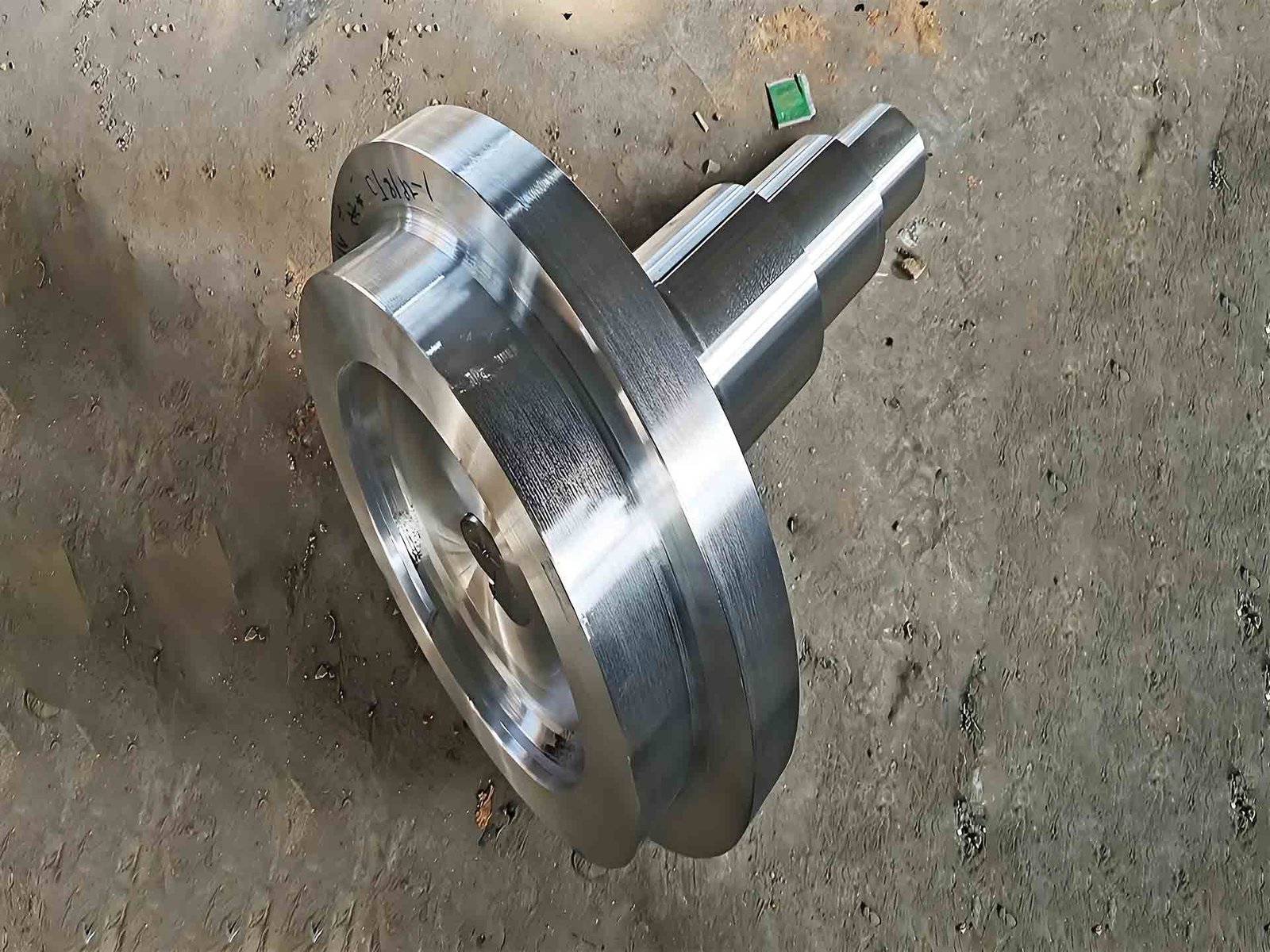
Forged blanks are often supplied as semi-finished materials. Equipment manufacturers then machine them to final tolerances according to their product design.
Aluminum Forging Products Such as Aluminum Forged Rings and Blocks
Some forged aluminum products are used across multiple industries because of their simple geometry and versatile applications.
Examples include:
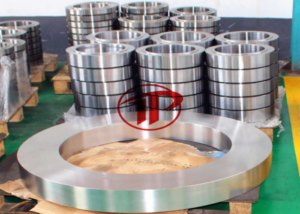
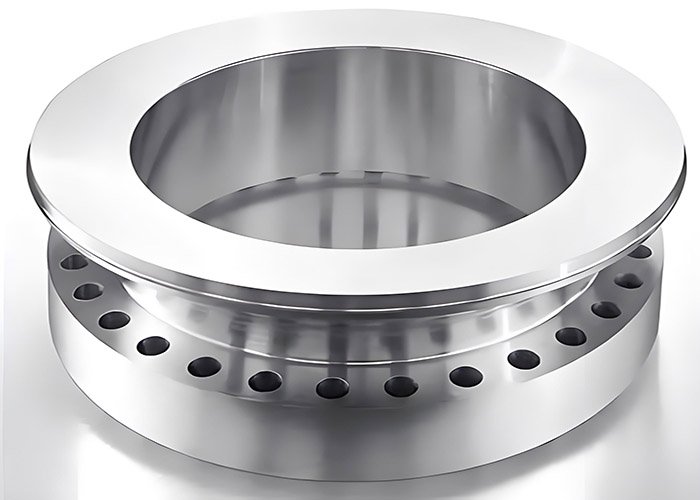
aluminum forged rings used in rotating equipment
forged aluminum block materials for machining
general aluminum forgings used as structural components
Forged rings, in particular, are commonly used in mechanical systems where circular strength and uniform grain structure are required.
Because these parts are often large or thick sections, forging helps maintain consistent material properties throughout the component.
Choosing Quality Aluminum Forge and Aluminum Forging Suppliers
Selecting the right aluminum forging suppliers is an important step for equipment manufacturers.
A quality aluminum forge typically needs:
suitable forging presses and equipment
experience working with different aluminum alloys
reliable heat treatment capability
inspection and machining support
Manufacturers usually prefer suppliers that can provide stable material quality and consistent production capability, especially for large or critical forged components.
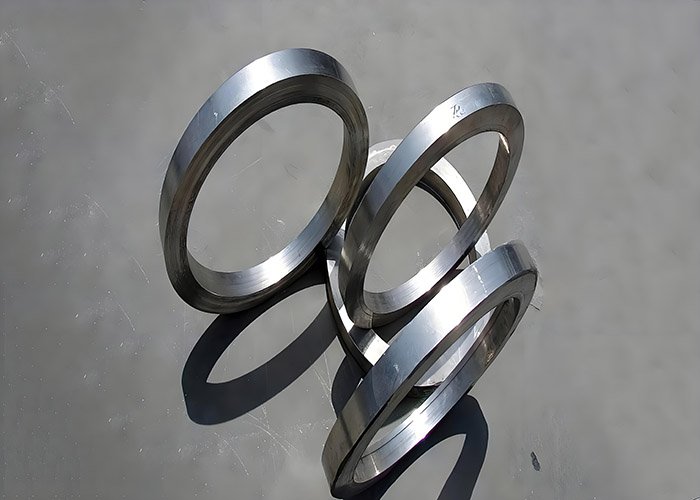
Aluminum Forging Manufacturing Capability at TIPTOP Forging
At TIPTOP Forging, aluminum forging is part of a broader heavy forging manufacturing capability.
The company mainly supplies:
aluminum alloy forgings for industrial equipment
semi-finished forged materials for further machining
Rather than focusing only on finished products, TIPTOP often produces forged blanks and intermediate components. These materials are later machined by equipment manufacturers according to their design requirements.
This supply model is common in heavy industry where forging companies provide the structural base materials for complex machinery parts.
The Role of Aluminum Forging in Modern Manufacturing
With the continued demand for lighter and stronger materials, aluminum forging plays an important role in modern engineering.
Forged aluminum components combine low weight with improved mechanical strength, making them suitable for applications where both performance and durability are required.
From transportation equipment to industrial machinery, aluminum forgings continue to be widely used as reliable structural components.
Companies like TIPTOP Forging contribute to this supply chain by producing forged aluminum materials and custom forgings that support equipment manufacturers across different industries.