BLOG

Category: BLOG

cold forging process
BLOG
ColdForging Process for Precision Metal Components

Cold forging is one of the metal forming methods, which deals with the shaping of materials at room temperature. Instead of raising the temperature as in hot forging, the process of cold forging uses extremely high-pressure to plastically change the structure of metal, such as steel, aluminum, or other alloys to the specified shape. This method contributes to the achievement of near to perfect dimensional accuracy, smooth texture, and mechanical properties enhancement, which is the reason why it is a very popular technique in the production of fasteners, automotive parts, industrial equipment, and aerospace components.
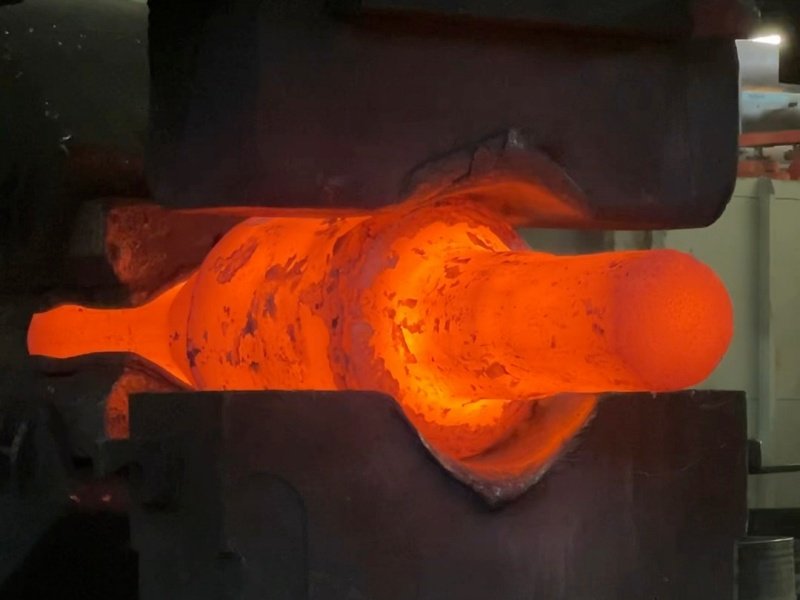
forging process
BLOG
Forging Process for High-Strength Metal Components

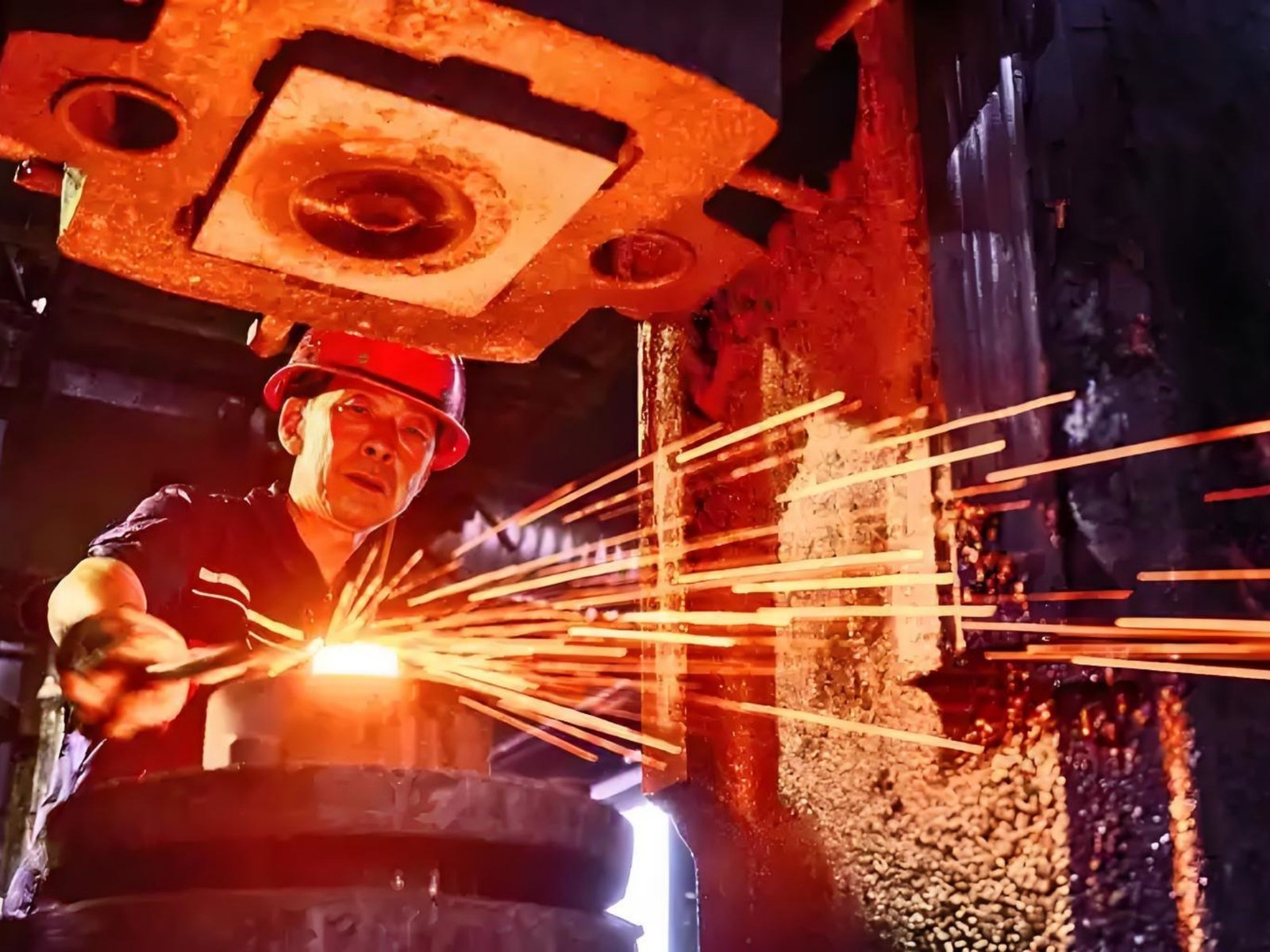
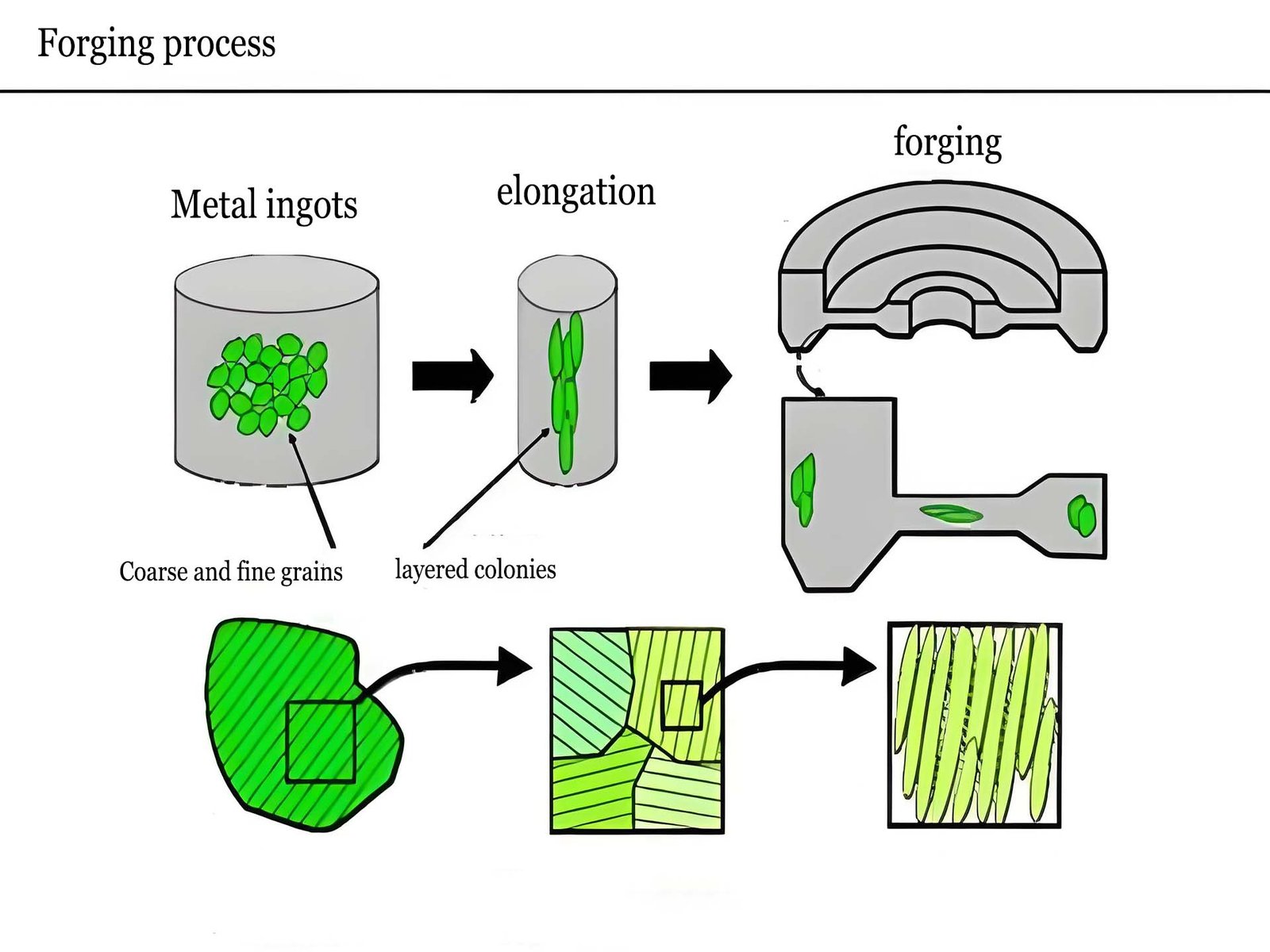
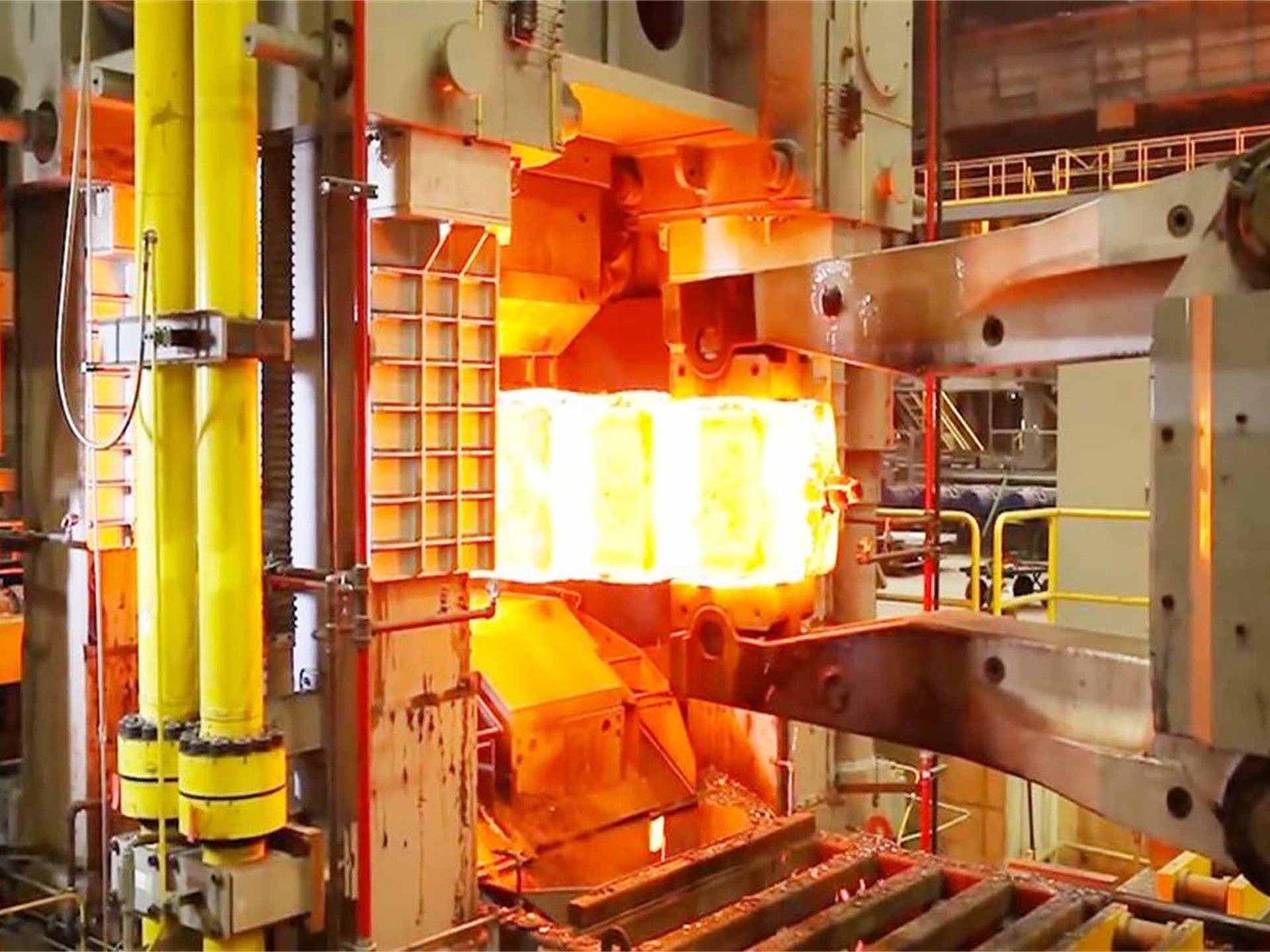
Forging​‍​‌‍​‍‌​‍​‌‍​‍‌ is the process of metal forming which involves the use of extreme compressive force to reshape heated materials to make strong and durable components. In contrast to casting, which requires melting metal, in a forging process metals are shaped by hammering, pressing, or rolling in a controlled manner. The outcome is a dense, uniform grain structure that offers high mechanical strength, fatigue resistance, and reliability.

forging metal
BLOG
Metal Forged Solutions for High-Strength Industrial Components

The term metal forge refers to a controlled industrial environment where forging metal is performed through heat and pressure to create stronger, more reliable components. Compared with casting or machining, forged metal offers superior grain structure, higher fatigue resistance and exceptional durability—qualities essential for heavy-duty and safety-critical applications.

stainless steel forging
BLOG
Stainless Steel Forging for High-Performance Industrial Components

Industries such as oil and gas, shipbuilding, aerospace, pressure vessels, steam turbines, mining, and power generation have extremely high requirements for corrosion resistance, pressure resistance, and mechanical reliability; therefore, they still t

bar stock
BLOG
Bar Stock Material Guide: Types, Properties, and Industrial Applications

Bar stock—also known as metal bar stock, steel stock bar, aluminum bar stock, stainless steel bar stock, carbon steel bar stock, or simply “bar”—refers to raw metal materials processed into standardized shapes for machining, forging, drilling, and manufacturing.
Common forms include round bar stock, square bar stock, hex bar stock, hexagonal bar stock, and flat bar stock.

BLOG
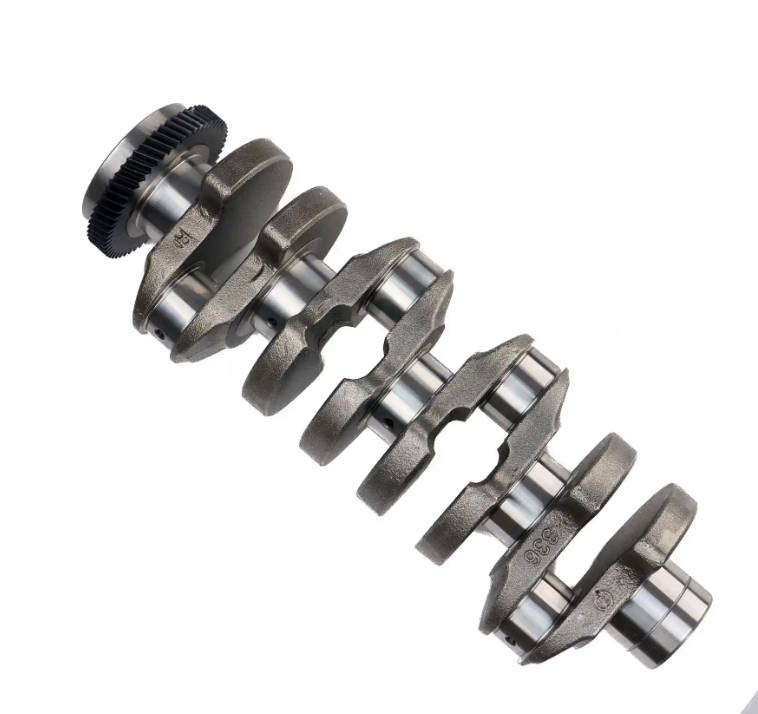
Crankshaft: Forged vs Cast, Process, Benefits

A crankshaft is the central rotating component in an internal combustion engine. It transforms the linear force of pistons into rotational torque, driving the vehicle’s powertrain. Because it operates under high stress, fatigue cycles, and varying loads, the manufacturing process, design, and specifications of a crankshaft are crucial to overall engine reliability.

forging process
BLOG
Forging Processand Applications

The forging method is a imperative metal-shaping approach the place compressive forces are utilized to a stable workpiece to reap the preferred geometry. Unlike casting, which includes melting, forging reshapes the fabric in its stable state, ensuing in stronger, greater durable, and defect-resistant components.

BLOG
Mining Forging Solutions for Heavy-Duty Equipment: Components That Power the Mining Industry

The mining enterprise operates in some of the most harsh environments on the planet. From deep underground to high-altitude open-pit sites, gear is pushed to its limits underneath intense pressure, load, and temperature. That’s why mining forging has turn out to be the go-to answer for producing durable, high-performance components for mining machinery.