What Is Cold Forging Process?
Cold forging is one of the metal forming methods, which deals with the shaping of materials at room temperature. Instead of raising the temperature as in hot forging, the process of cold forging uses extremely high-pressure to plastically change the structure of metal, such as steel, aluminum, or other alloys to the specified shape. This method contributes to the achievement of near to perfect dimensional accuracy, smooth texture, and mechanical properties enhancement, which is the reason why it is a very popular technique in the production of fasteners, automotive parts, industrial equipment, and aerospace components.
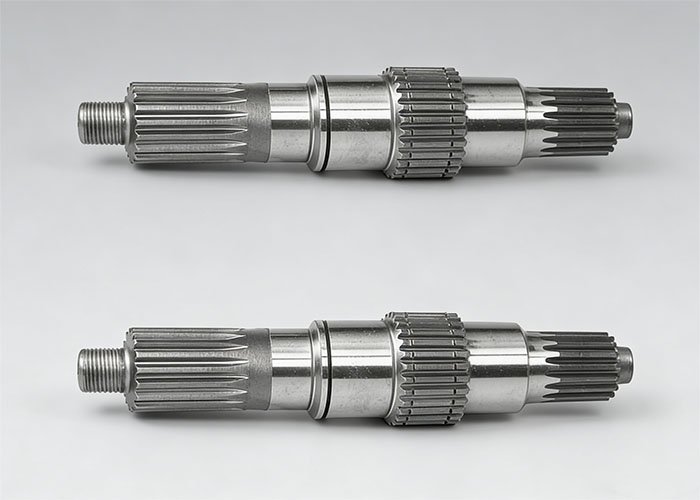
Some of the common applications are bolts, nuts, shafts, gears, sleeves, and custom engineered parts.
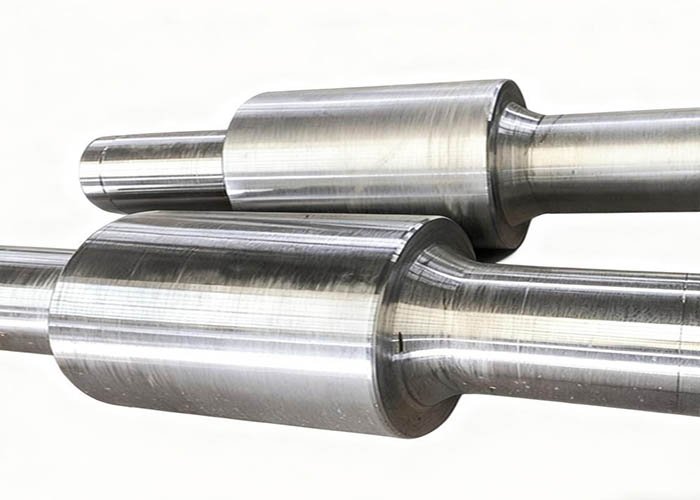
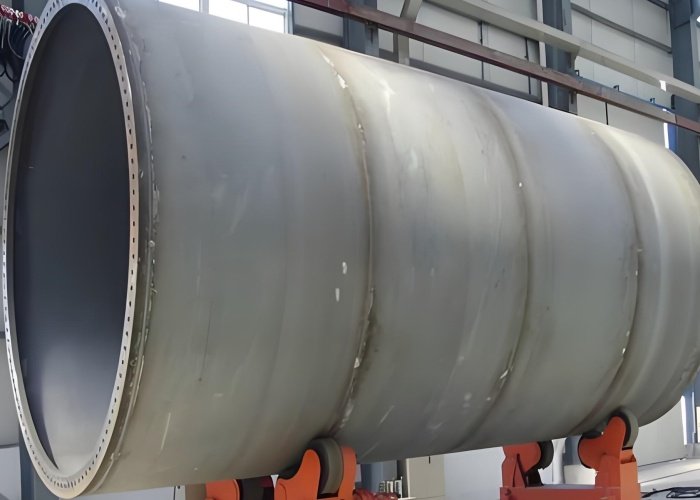
Cold Forging Process Steps
Several essential stages make up the cold forging process.
Material preparation
Choosing of steel or alloy
Cutting of wire or bar
Lubrication and coating
Helps to reduce friction and tool wear
Forging or forming
Done with high-pressure machines and dies
Cold heading or extrusion (if necessary)
Heat treatment and surface finishing (optional)
Inspection and dimensional control
The cold forging process involved these steps that are standardized to guarantee the same results, high productivity, and low wastage.
Cold Forging Process Flow Chart
Most of the buyers want to see the process flow chart. The workflow of a typical cold forging process is outlined in the flow chart:
Raw material → Cutting → Lubrication → Forming → Trimming → Heat treatment → Cleaning → Quality inspection → Packaging
The work progresses may change due to part design and cold forging process parameters, such as tonnage, tool geometry, and material type.
Advantages of Cold Forging
When comparing to other forming methods, cold forging has multiple advantages:
1. High strength
Cold deformation refines the grain structure, increasing tensile strength and fatigue resistance.
2. Excellent surface finish
Parts often require little or no machining afterward.
3. Tight tolerances
Cold forged parts maintain high dimensional accuracy.
4. Cost efficiency
Material utilization is high, with less scrap and reduced machining time.
5. Consistent quality
Perfect for high-volume production, especially with cold heading process forging.
Cold Forging vs Hot Forging
Both processes are widely used. However, the key differences are clear:
| Feature | Cold Forging Process | Hot Forging Process |
| Material temperature | Room temperature | 800–1200°C |
| Surface finish | Excellent | Requires machining |
| Tolerances | Tight | Medium |
| Strength | Very high | Good |
| Best for | High-volume precision parts | Large or complex shapes |
For many precision parts, combining technologies is common, especially when customers require both hot and cold forging process options.
Cold Hammer Forging and Cold Heading
In specific applications, the cold hammer forging process is used to shape tubes, barrels, or cylindrical parts through hammer impact.
Meanwhile, cold heading forms bolt heads, nuts, and fasteners through controlled pressure — fast and highly repeatable for mass production.
Tools and Equipment Used
Cold forging tools are custom-designed based on part geometry. Common tooling includes:
Dies and punches
Lubrication units
Trimming and sizing tools
Hydraulic or mechanical presses
Proper tool design ensures long service life and stable production, especially when dealing with forging process and tools cold and hot working process combinations.
Industries Using Cold Forging
Cold forged parts are trusted in demanding sectors:
Automotive (shafts, hubs, fasteners)
Construction and industrial products
Manufacturers choose cold forging when they need durability, consistency, and long-term cost control.
Quality Control and Inspection
To meet customer requirements, we provide:
Dimensional checks
Mechanical testing
Surface inspection
Material certification
Additional treatment such as heat treatment or coating can be arranged according to specification.
Why Choose Our Cold Forging Services?
As a specialized forging supplier, we offer:
Custom cold forged parts
Assistance in design and drawing optimization
Small to large batch production
In-house machining and finishing
Fast delivery and competitive pricing
Whether you need a single prototype or mass production, our team ensures stable quality and reliable supply.
Conclusion
The cold forging process is an efficient and precise method to produce metal components with superior strength, a fine surface finish, and tight tolerances. With a complete cold forging process flow, controlled process steps, and proven experience in tool design, we help customers achieve high performance and cost-effective results for their industrial applications.