When people ask what is a crankshaft, the common answer is simple: it converts piston motion into rotation. That is correct, but in real engine work, the crankshaft is much more than a motion converter.
Inside any engine crankshaft system, this component carries repeated bending and torsional loads every single combustion cycle. It does not just rotate — it absorbs impact, maintains balance, and keeps the entire powertrain stable.
At TIPTOP Forging, we manufacture forged crankshaft blanks rather than complete engines. Our focus is not on appearance but on internal structure, material flow, and long-term strength.
What Is a Crankshaft and How Engineers Crankshaft Define It
To crankshaft define it from a mechanical standpoint, it is an offset shaft that transforms linear piston movement into rotary torque.
In the crankshaft in an engine, connecting rods link the pistons to the crank journals. When combustion pushes the piston downward, the offset geometry forces the shaft to rotate.
So when someone asks what are crankshafts in practical terms, they are high-strength rotating shafts designed to survive continuous cyclic stress.
In a car crankshaft, rotation must remain smooth at higher RPM. In industrial
What Does a Crankshaft Do Under Real Operating Conditions
On paper, what does a crankshaft do? It turns.
In reality, it does three critical things at the same time:
It converts combustion force into torque.
It manages dynamic balance.
It withstands millions of stress cycles over its service life.
This leads to another common question: can crankshafts become unbalanced?
Yes, they can.
Unbalance may result from uneven material distribution, machining deviation, or long-term wear. An unbalanced engine crankshaft can cause vibration, accelerated bearing wear, and eventually structural fatigue.
Balancing is performed after machining, but internal integrity begins at the forging stage. If density and grain flow are inconsistent, balancing alone cannot compensate for structural weakness.
Crankshaft Parts and Structural Stress Areas
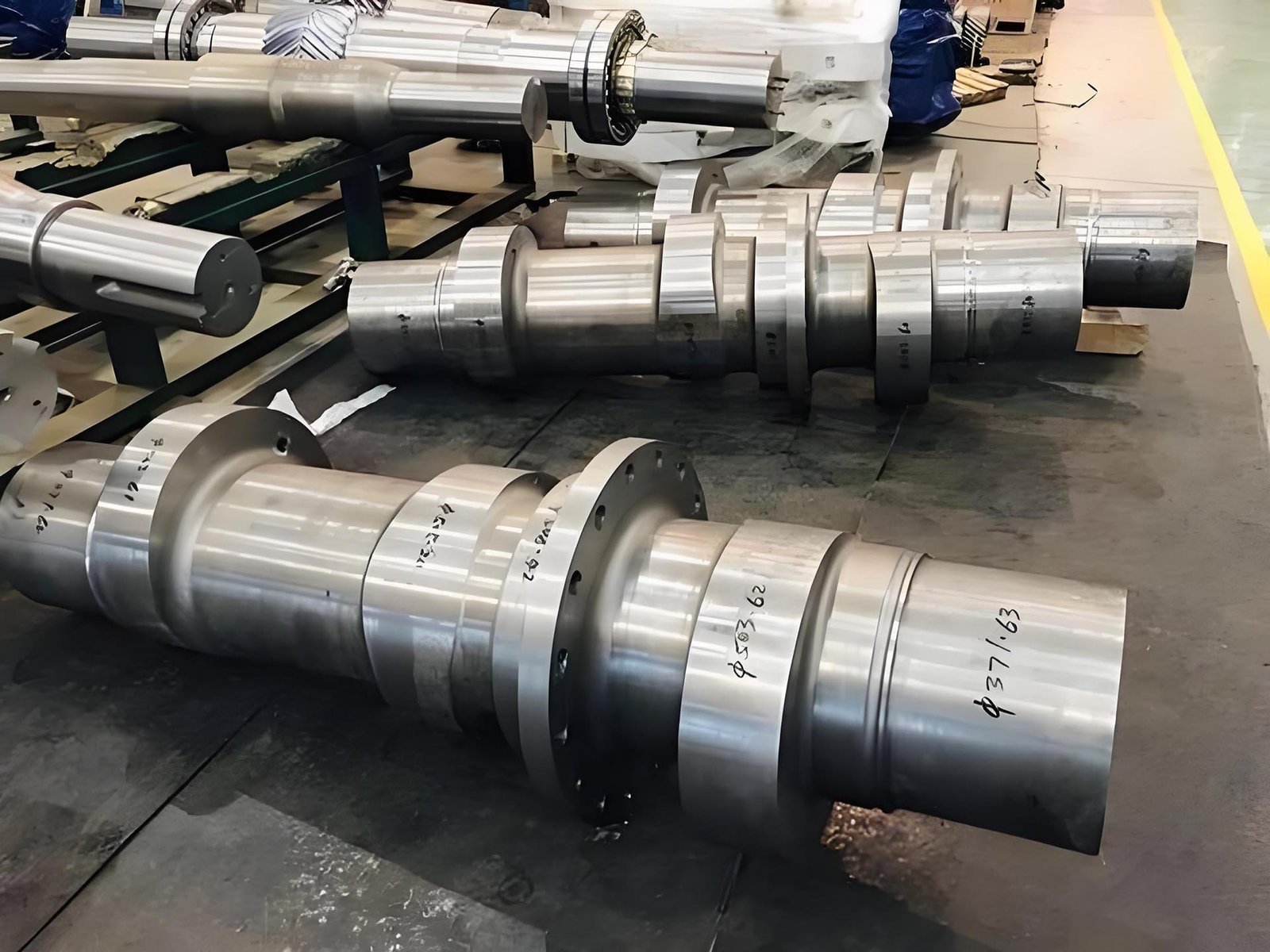
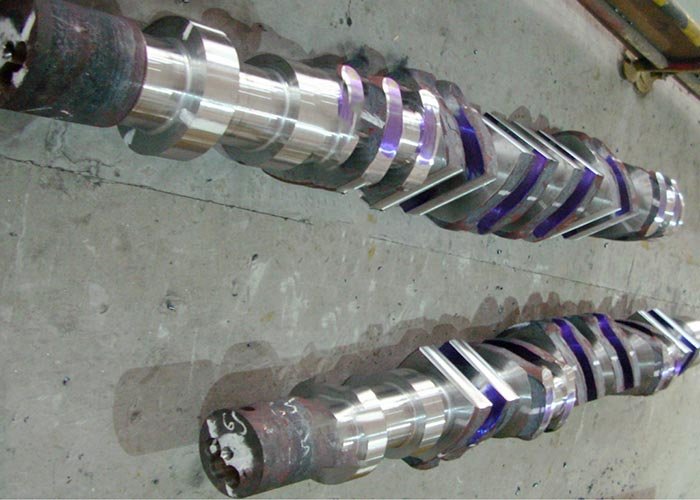
Although crankshaft parts appear straightforward — main journals, rod journals, crank webs, counterweights, and flange — the stress path through these areas is complex.
The crank web and fillet regions are especially sensitive because they experience concentrated bending forces. In many failure cases, cracks initiate in these transition zones.
Within the crankshaft in an engine, oil passages are also drilled internally. Any forging defect near these areas can
This is one reason why forged crankshaft solutions are preferred in demanding applications.
Camshaft vs Crankshaft in Functional Terms
The comparison of camshaft vs crankshaft often comes up in engine discussions.
The crankshaft handles power conversion.
The camshaft controls valve timing.
Both rotate, but thei
Because of these differences, material strength and fatigue performance requirements are typically higher for a crankshaft than for a camshaft.
Forged Crankshaft Production at TIPTOP Forging
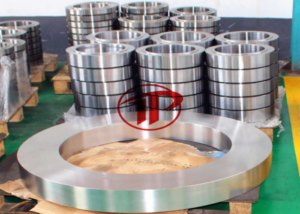
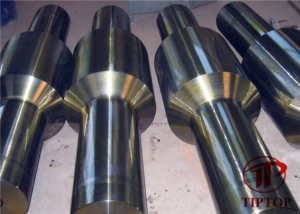
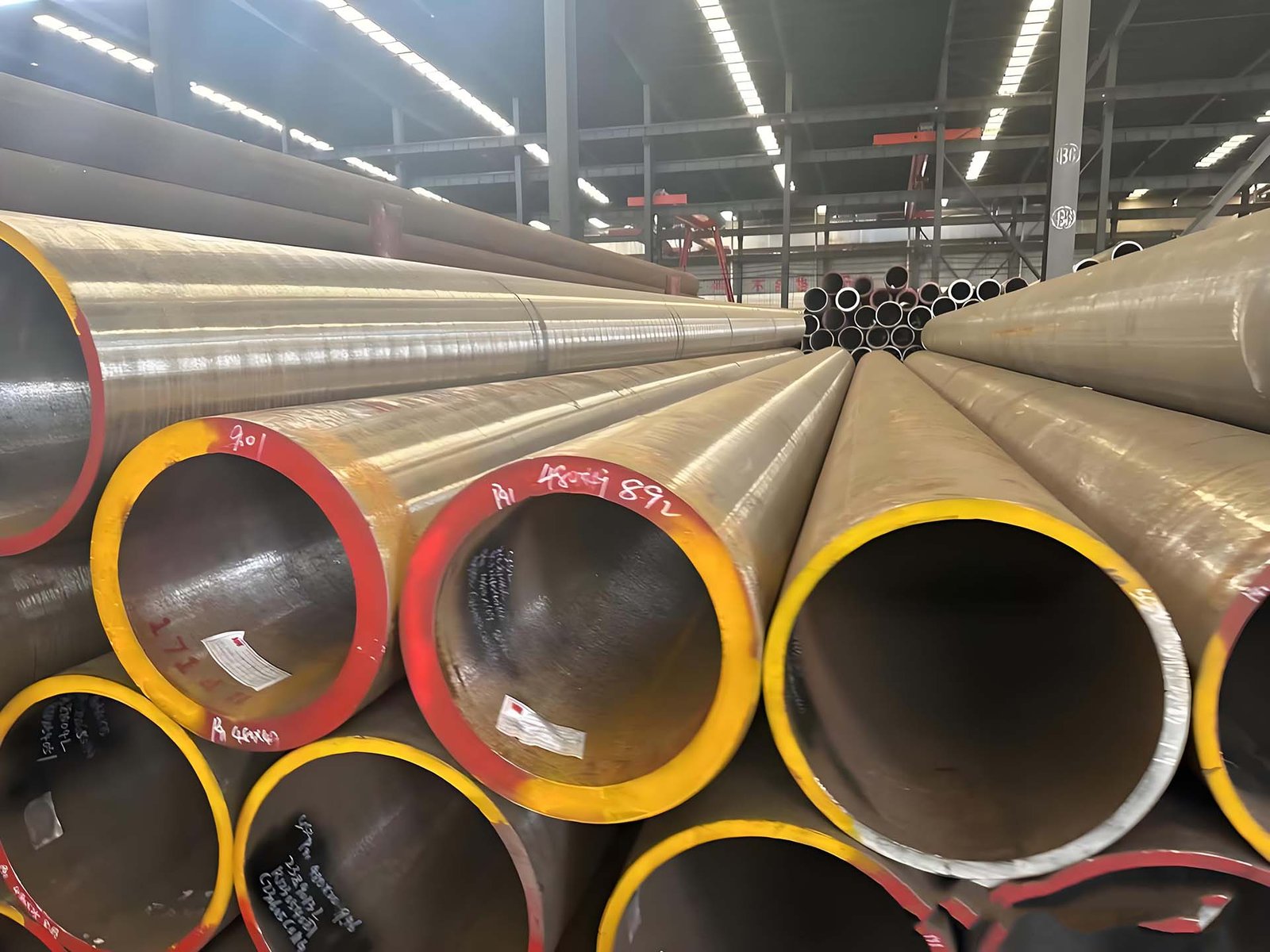
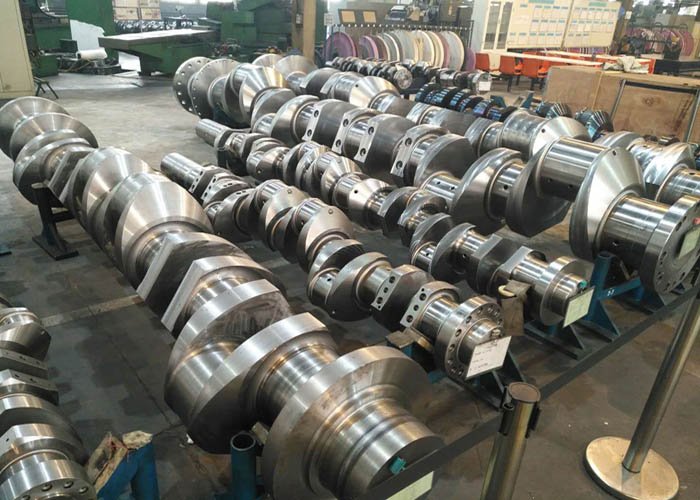
At TIPTOP Forging, we produce forged crankshaft blanks as semi-finished components.
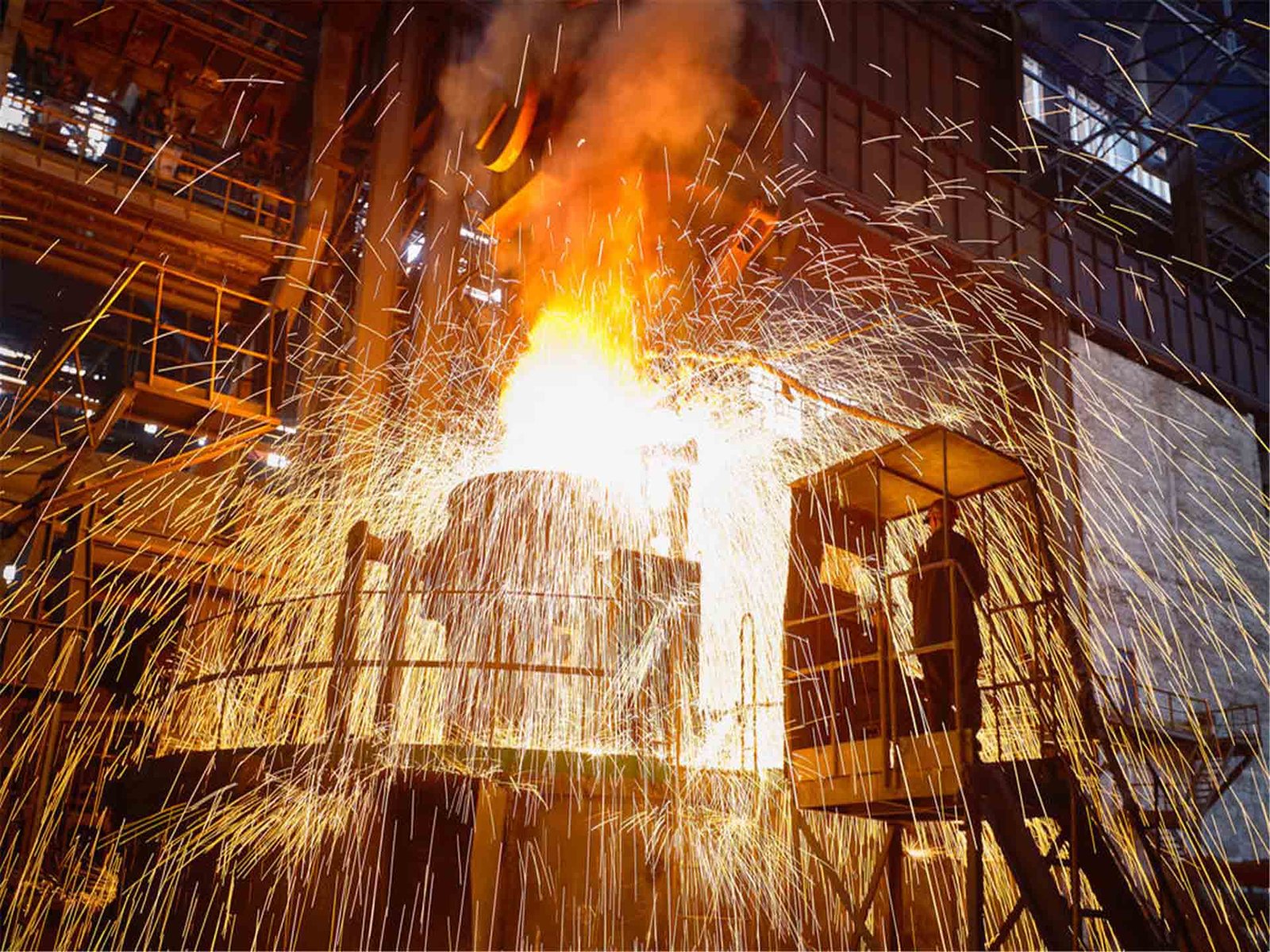
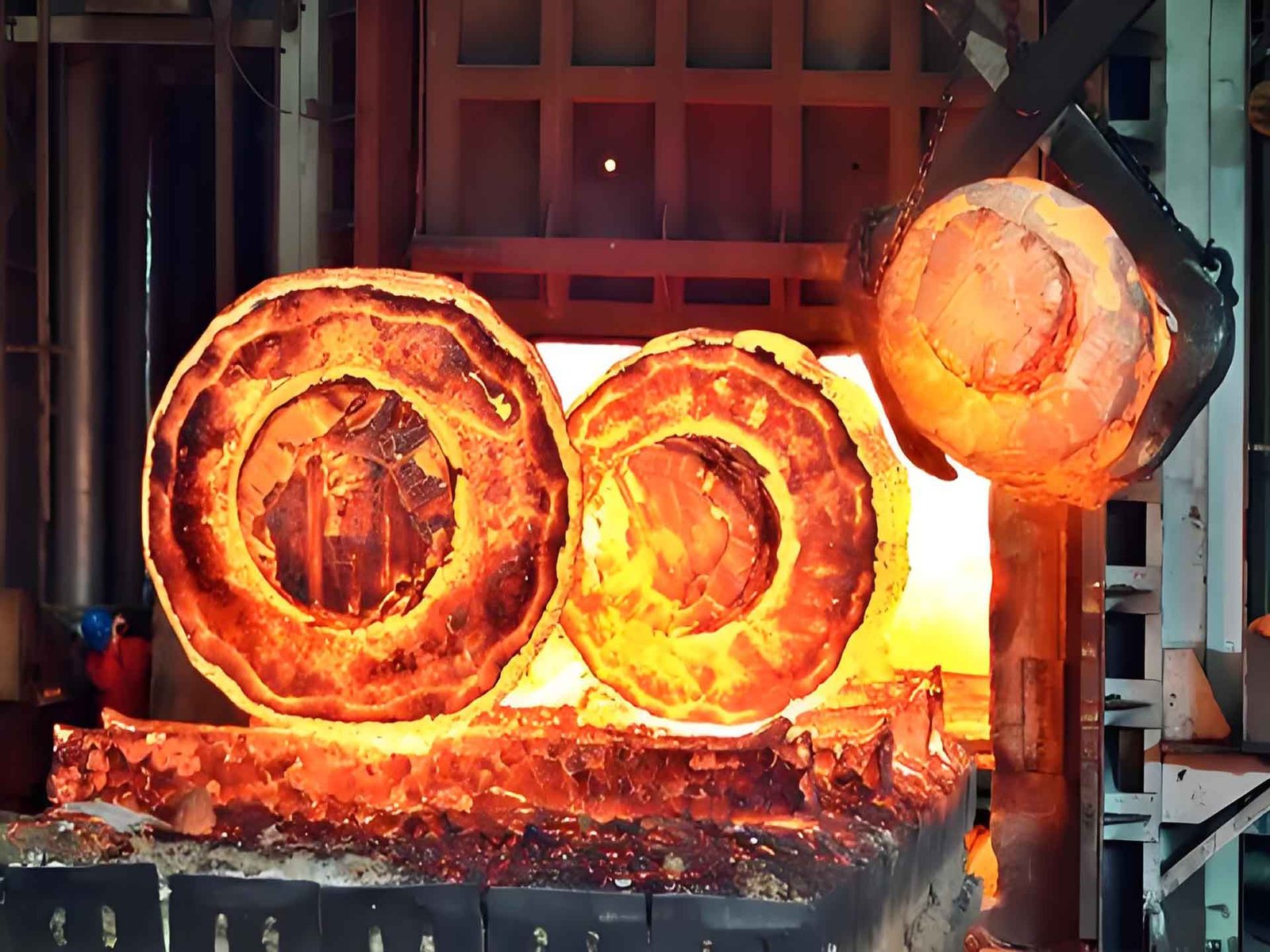
A forged crankshaft is formed by plastically deforming heated steel under controlled pressure. Compared with casting, forging improves grain flow alignment along the crank geometry. This helps increase fatigue strength, particularly in fillet and web areas.
Our process generally includes:
Material inspection before forging
Controlled heating
Closed-die or open-die forging depending on size
Heat treatment
Ultrasonic testing
Optional rough machining
We supply crankshaft forgings to customers who complete final precision machining and dynamic balancing in their own facilities.
Applications include car crankshaft production, diesel engine crankshaft systems, generator sets, and other industrial engine crankshaft requirements.
Can Crankshafts Become Unbalanced Due to Material Issues
Returning to the question, can crankshafts become unbalanced — yes, and sometimes the cause is not visible externally.
Internal segregation, inclusions, or uneven deformation during forging can contribute to imbalance or fatigue problems later in service. Even if machining dimensions are correct, hidden structural inconsistencies may affect long-term reliability.
That is why inspection at the
Why Forged Crankshaft Qualit
The crankshaft is a fatigue-driven component. Every ignition event applies force to the rod journal. Over time, these repeated loads define the life of the engine crankshaft.
When selecting a forged crankshaft sup
TIPTOP Forging focuses specifically on producing structurally reliable crankshaft forgings. We understand that once a crankshaft
Final Thoughts on the Role of the Crankshaft
From answering what is a crankshaft to understanding what does a crankshaft do in real operation, it becomes clear that this component sits at the center of mechanical power transmission.
Whether used in a passenger vehicle, heavy truck, or stationary engine, the crankshaft must endure constant cyclic stress.
If you are sourcing forged crankshaft blanks or require customized crankshaft forgings based on technical drawings, TIPTOP Forging can evaluate your specifications and provide manufacturing support focused on structural integrity and consistent quality.