What Is Crusher Jaw Plate and Why It Directly Affects Crushing Efficiency
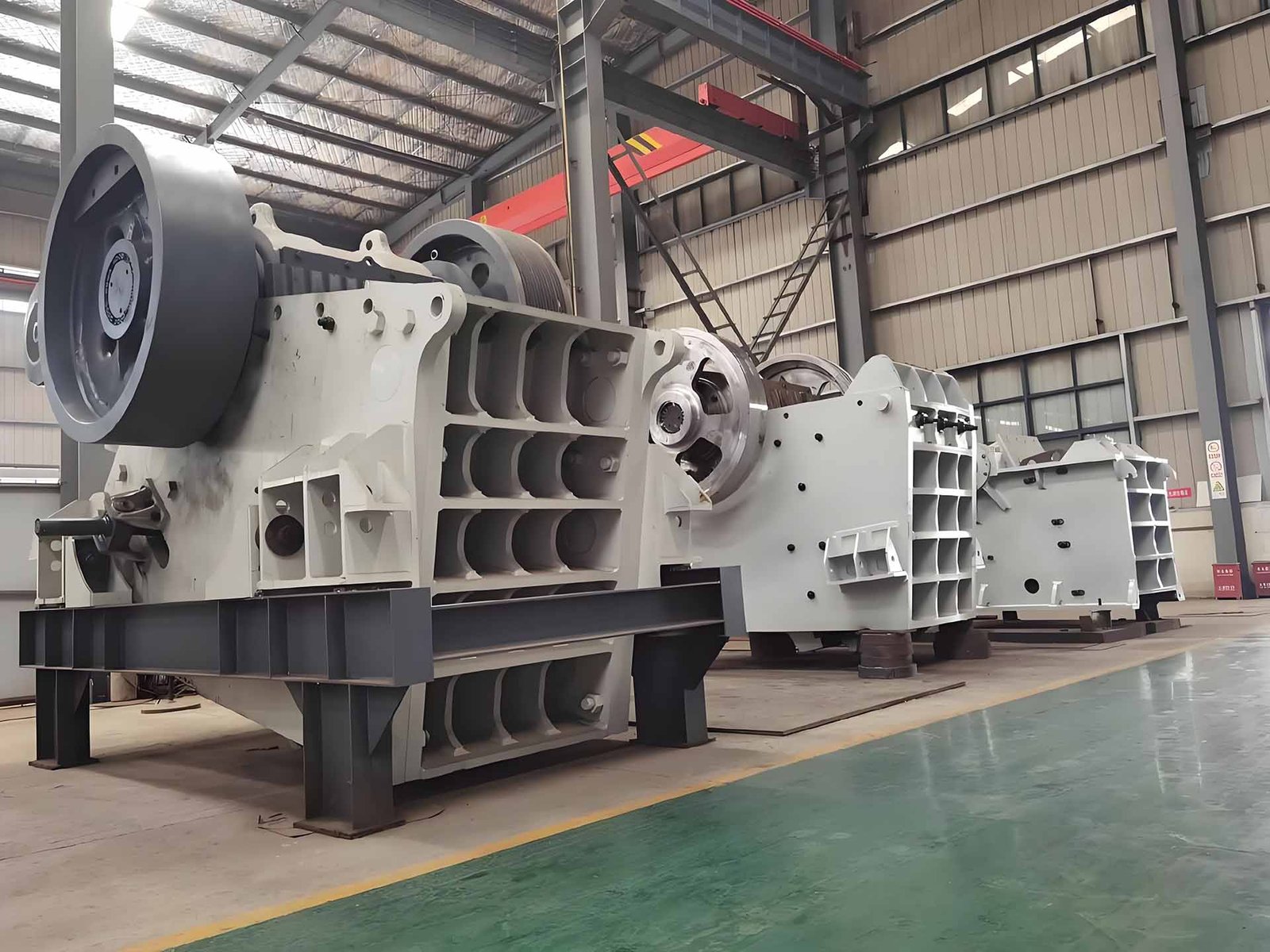
When buyers search for crusher jaw plate or jaw crusher jaw plate, they are only one step away from choosing a wear part—they are actually deciding on a piece that will significantly influence crushing productivity, final product size, and maintenance intervals.Essentially, a jaw crusher plate is the main wear part in a jaw crusher and usually comprises a stationary plate and a moving plate. These crusher jaw plates
exert pressure and break down various materials like granite, basalt, and minerals.
Operating with the wrong plates, in fact, results in:
· Faster wear and frequent change of parts
· Unstable product size
· More downtime and higher operating costs
Therefore, knowing the properties of the material, the design, and how it fits the application is much more crucial than simply opting for the cheapest one.
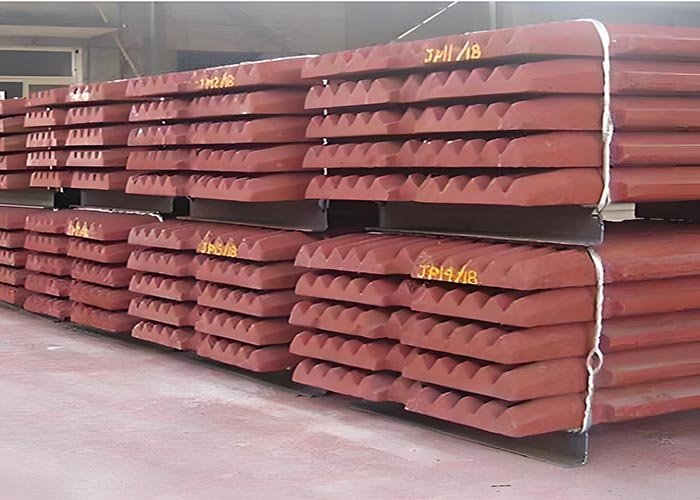
Jaw Crusher Plate Material: How Material Choice Impacts Service Life
The choice of jaw crusher plate material is the main factor which affects both wear resistance and durability, and this is why it should be given the highest priority.
High Manganese Steel: Industry Standard for Toughness
The majority of jaw crusher plates contain high manganese steel (Mn13, Mn18, Mn22) as a main constituent. The great thing about this material is that it work-hardens during use, the surface of it becomes harder, while the core remains tough.
It is a good match for:
· Hard rock crushing
· High-impact environments
· Long-cycle durability
Alloy and Composite Metal Jaw Plate Options
Today, metal jaw plates
are at times made of:
· Alloy steel, which is highly resistant to wear
· Composite, which merges the properties of hardness and toughness
· Reinforced, which are specifically designed for highly abrasive materials
Titanium Plate Jaw: Niche but Emerging
In the field of corrosion resistance and weight reduction, titanium plate jaw
is at times considered; however, it is practically never seen in regular mining operations given its high price.
Ultimately, the “strongest” material is not the one you should automatically aspire to—it is the one that best suits your type of feed and crushing nature.
Jaw Crusher Wear Plates and Side Plate Function Explained
Besides the primary crushing plates, jaw crusher wear plates and jaw crusher side plate are also critical elements of the machine.
Jaw Crusher Wear Plates
These are the parts exposed to the abrasion from the material the most and hence need to be replaced periodically. They are instrumental in addition to protecting the rest of the parts and in significantly extending the lifespan of the equipment.
Jaw Crusher Side Plate
The jaw crusher side plate is integral to the overall stability of the structure as well as the guidance of the material during the crushing process. Also, it lessens the wear on the frame.
All these parts work together to keep the whole crushing system running smoothly, not just the main jaw plates.
Types of Crusher Jaw Plates and Their Application Scenarios
There are several types of jaw plate for crusher
and the choice depends on both the nature of the material and the objectives of the crushing operation.
Standard Tooth Profile Plates
This type is a safe option for general-purpose crushing operations featuring balanced performance.
Coarse Corrugated Plates
They are ideally suited for very large feed sizes and primary crushing stages.
Fine Tooth Plates
When the requirement is a uniform and small final product size, you can use this type.
The right plate profile selection will not only increase the crushing output but also limit the wear happening to the parts.
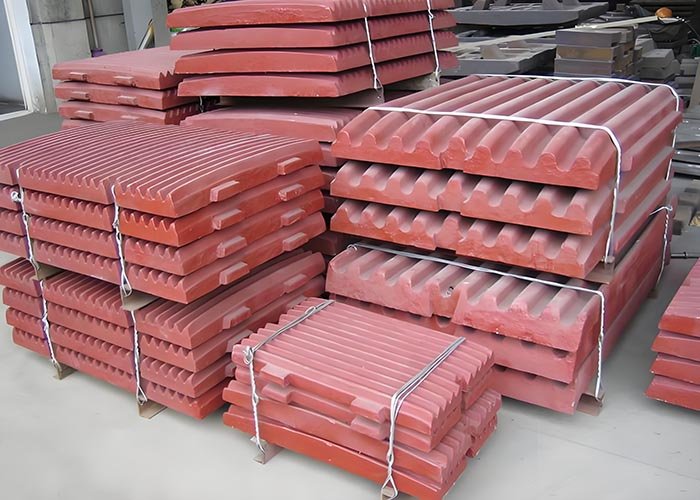
China Crusher Jaw Plate Manufacturing: What Makes a Reliable Supplier
When sourcing china crusher jaw plate, buyers should focus on manufacturing capability rather than just pricing.
Key Factors to Evaluate
- Control of chemical composition in casting
- Heat treatment processes to ensure work-hardening performance
- Dimensional accuracy and fit with crusher models
- Real testing under working conditions
A high-quality jaw metal plates supplier ensures consistency across batches, which is critical for large-scale operations.
TIPTOP Forging: Reliable Manufacturer for Crusher Jaw Plates
TIPTOP Forging provides durable crusher jaw plates designed for real mining and aggregate conditions.
The company focuses on practical manufacturing strengths:
- Controlled forging and casting processes to ensure material density and strength
- Optimized heat treatment to enhance wear resistance
- Custom production of jaw crusher plates based on equipment models and working conditions
- Experience supplying jaw crusher wear plates and supporting components
Rather than offering generic solutions, TIPTOP works to match plate material and design with actual crushing requirements, helping customers reduce downtime and improve efficiency.
How to Choose the Right Jaw Crusher Jaw Plate for Your Application
Selecting the right jaw crusher jaw plate requires understanding several key factors:
Material Hardness vs. Toughness Balance
Harder materials resist wear but may crack under impact. Tougher materials absorb impact but wear faster. The right balance depends on the feed material.
Feed Size and Abrasiveness
Larger and more abrasive materials require thicker and more wear-resistant plates.
Crusher Type and Working Conditions
Different crushers require specific plate designs for optimal performance.
Cost vs. Service Life
A lower-cost plate may wear out quickly, leading to higher long-term costs. A well-matched plate reduces replacement frequency and downtime.
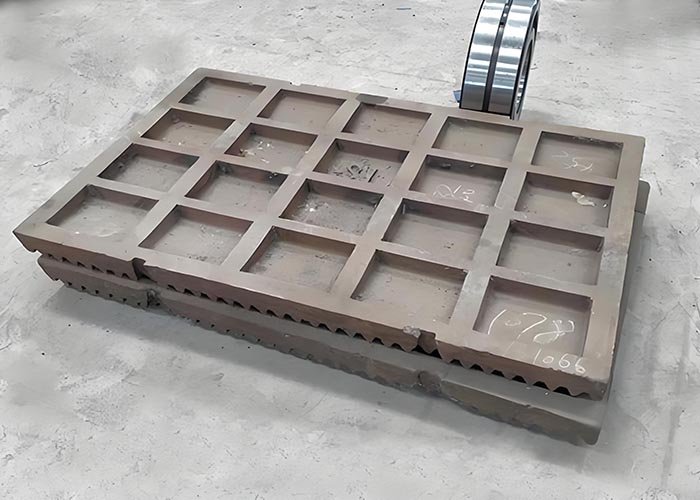
Why Jaw Crusher Plates Are Critical to Operational Efficiency
In crushing operations, jaw crusher plate performance directly affects:
- Production output consistency
- Equipment maintenance frequency
- Overall operating cost
Choosing the right metal plate jaw is not just a maintenance decision—it is a strategic factor in improving plant efficiency.