What Is Forging Process and Why It Matters
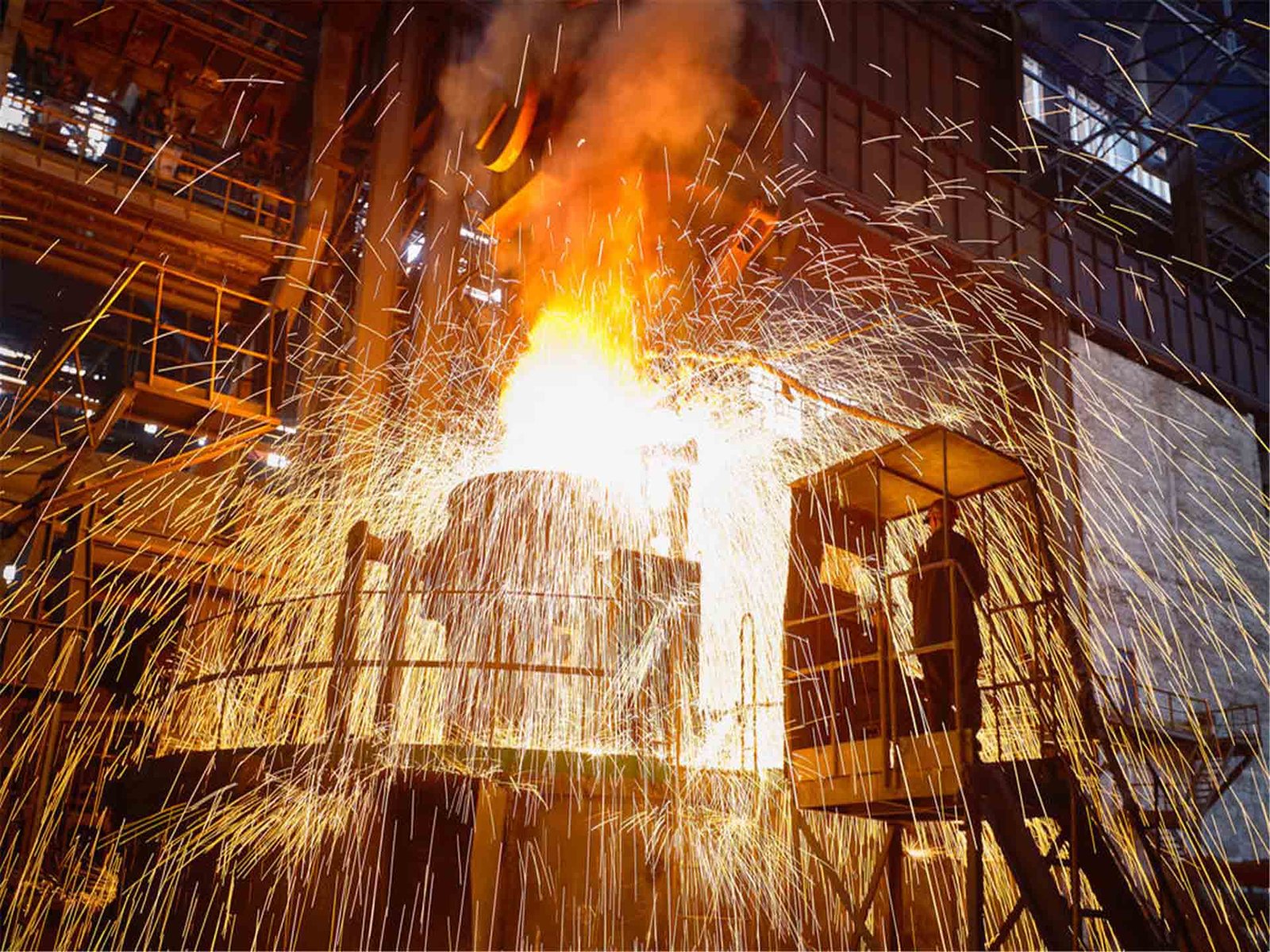
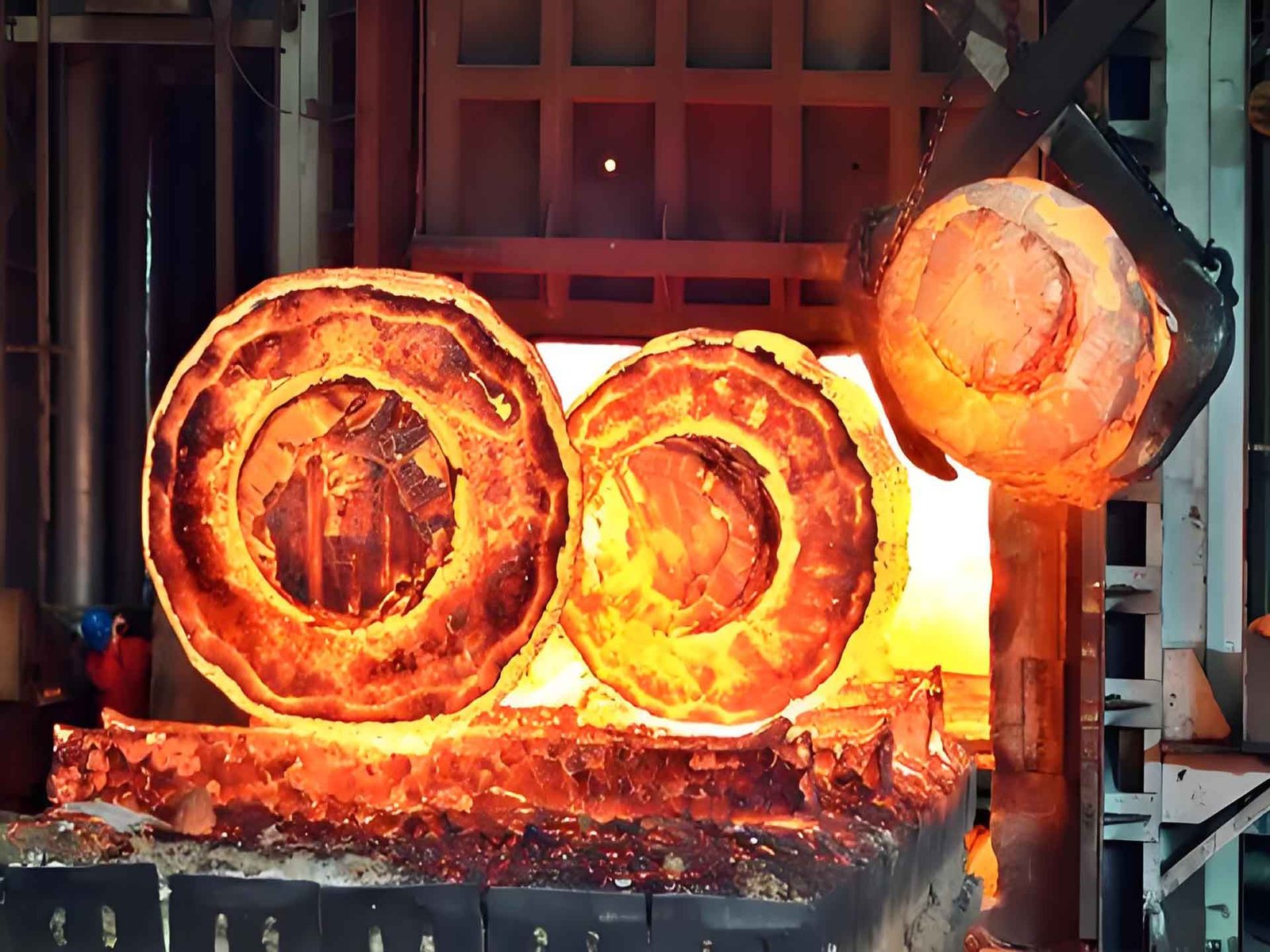
Forging is the process of metal forming which involves the use of extreme compressive force to reshape heated materials to make strong and durable components. In contrast to casting, which requires melting metal, in a forging process metals are shaped by hammering, pressing, or rolling in a controlled manner. The outcome is a dense, uniform grain structure that offers high mechanical strength, fatigue resistance, and reliability.
This is the main reason the forging process is the major source of components made from metals in the above mentioned industries.
Understanding Forging Process Definition and Principles
A commonly accepted definition of the forging process is:
it is a manufacturing method in which localized compressive forces are used to plastically deform metal and at the same time refine its internal grain structure. The grains in the metal align with the force direction and defects are removed. These metallurgical benefits are the main reasons forged parts have better performance than machined or cast parts in the harsh conditions.
Basic Forging Process and Material Flow Behavior
The standard forging process is quite straightforward: first, the billet is heated, and then it is taken to the forging machine. After the application of the force to reshape the metal, the product is either cooled or heat treated. After that, cutting or finishing operations are performed. Throughout all the stages, temperature control and deformation rate are still very important as they greatly influence grain flow, toughness, hardness, and dimensional accuracy.
There are many different types of forging machines, but the main idea of all of them is still the same—metal needs to be heated and compressed for the internal grains to change into stronger, more resilient structures.
Classification of Forging Process for Industrial Use
There are several classification of forging process methods used in modern industry. The most common types include:
Open die forging for large and heavy components
Closed die forging for precise geometry and repeatability
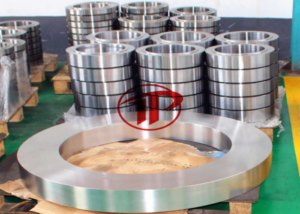
Ring rolling for seamless rolled rings
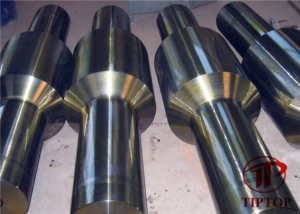
Upset forging for shafts and bars
Press forging for controlled deformation
Each method is selected based on technical requirements, shape complexity, and material specification. TIP TOP Forging manufactures all of these categories with flexible capacity and high-quality results.
Types of Forging Process and Machine Technology
Different types of forging process rely on different machines and tooling. Hydraulic presses are used for slow, controlled deformation, while mechanical hammers deliver rapid blows to shape the metal. Induction furnaces, manipulators, ring mills, and CNC machining centers complete the production line. This equipment ensures that every forging manufacturing process is efficient, repeatable, and capable of producing high-performance parts with minimal waste.
TIP TOP operates heavy press equipment, ring rolling mills, and advanced heat treatment systems to support both small components and large forgings.
Forging Process Steps from Raw Material to Finished Part
The forging process steps usually follow this sequence:
Material selection and cutting
Heating to the correct forging temperature
Forming under press or hammer
Trimming, piercing, and shaping
Heat treatment for strength and stability
Machining to final dimensions
Non-destructive testing and inspection
This workflow ensures the final forged part has high integrity, dimensional accuracy, and consistent mechanical properties.
Forging Process Diagram and Metallurgical Structure
A forging process diagram typically illustrates material flow, grain refinement, temperature curves, and forming stages. During deformation, grains elongate and align along the geometry of the part, significantly increasing directional strength. This refined structure is why forged components deliver superior performance in dynamic or high-load applications, and why they are used to replace castings or weldments when reliability is critical.
Application of Forging Process in Industrial Markets
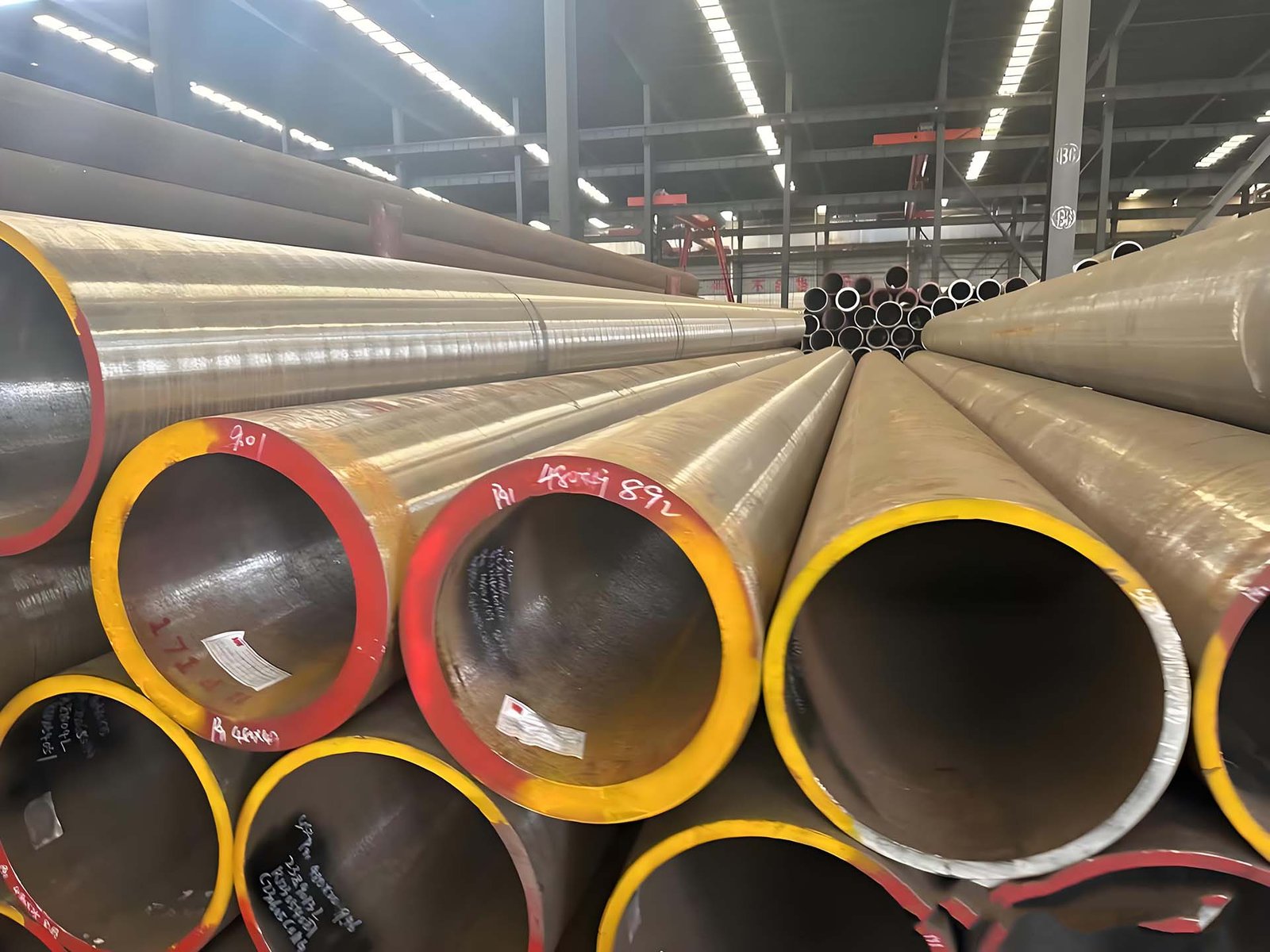
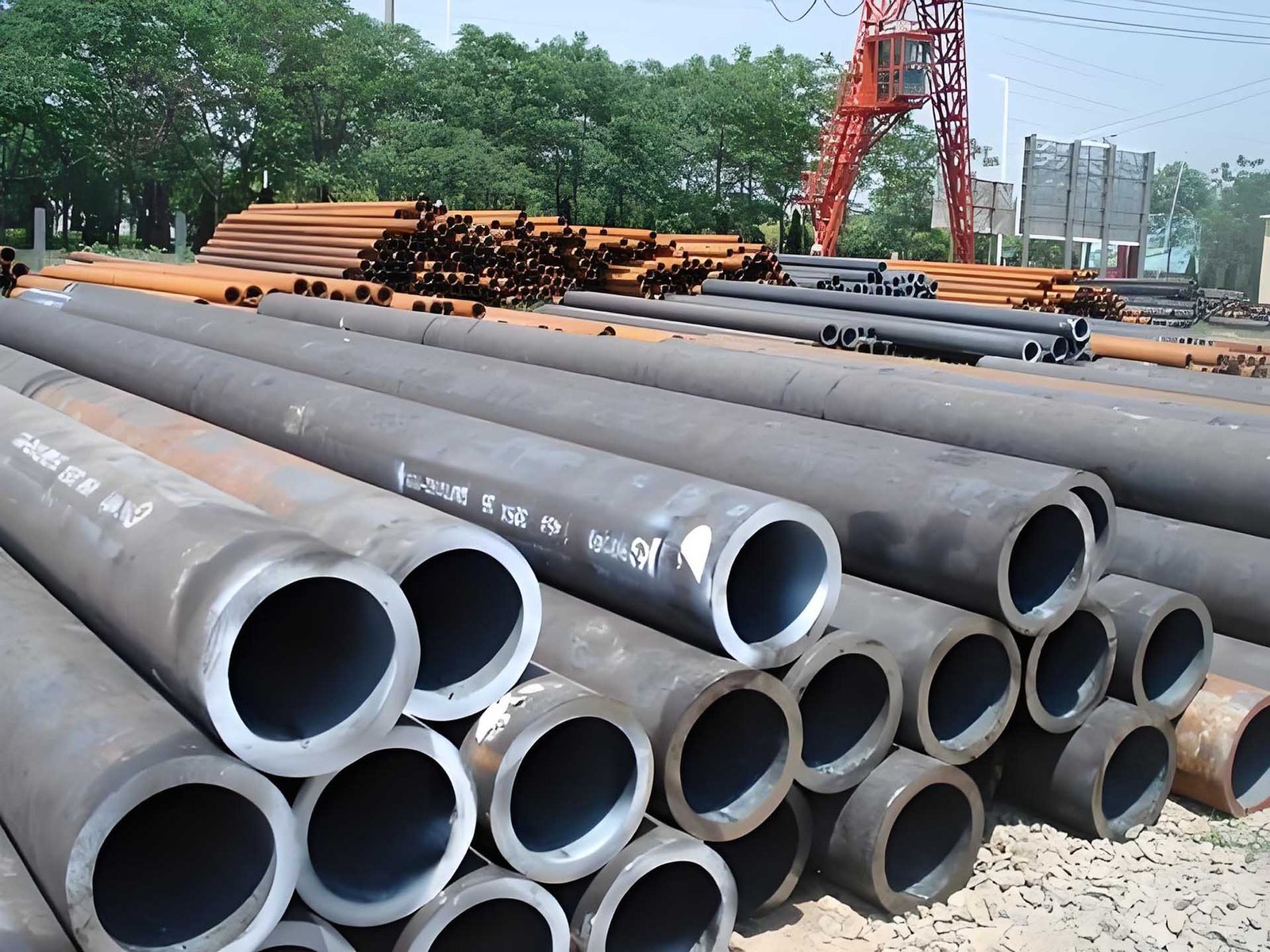
The application of forging process covers almost every industrial sector. Typical forged components include shafts, flanges, rings, gears, blocks, discs, and pressure components. These are widely used in:
Heavy machinery and construction
Forged parts remain essential wherever safety, strength, and durability are required.
How TIP TOP Supports Global Forging Process Projects
TIPTOP, as a specialized forging supplier, is able to supply the whole process of forging manufacturing from the engineering design stage to the finished products. We have a variety of advanced forging equipment, ring rolling systems, heat-treatment furnaces, and CNC machining centers in our facility. Our skilled team is always available to help you with material selection, process planning, and quality assurance to make sure that every forged component is in line with the specifications provided by the customer.
TIP TOP is providing good-quality products, timely delivery, and attractive prices to customers all over the world.
Why Choose TIP TOP for Forging Process Solutions
Customers partner with TIP TOP because we offer:
Full range of forging process technologies
Capability for large, heavy, or complex parts
Certified materials and traceability
Advanced heat treatment and inspection
Global shipping and flexible logistics
Our mission is to provide high-performance forged products that guarantee safety, strength, and reliability in demanding applications.
Contact TIP TOP for Forging Process Requirements
If you need forged components based on drawing, steel grade, or industry standards, TIP TOP can support your project. We provide custom solutions for open die forging, closed die forging, ring rolling, and machining. Send us your inquiry and our engineering team will respond quickly with technical support and quotation.