When a part needs both strength and corrosion resistance, stainless steel forging is often the more reliable option. It’s not about making the material “stronger” in a marketing sense — it’s about improving internal structure so the component performs predictably under load.
At TIPTOP Forging, most of our stainless steel forgings are used in environments where failure is not acceptable: pressure systems, rotating equipment, structural connectors. In these cases, the way the material is formed matters.
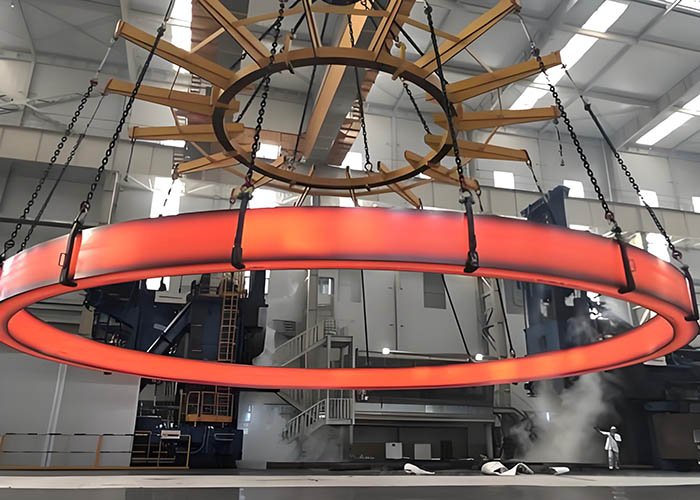
What Happens During Stainless Steel Forging
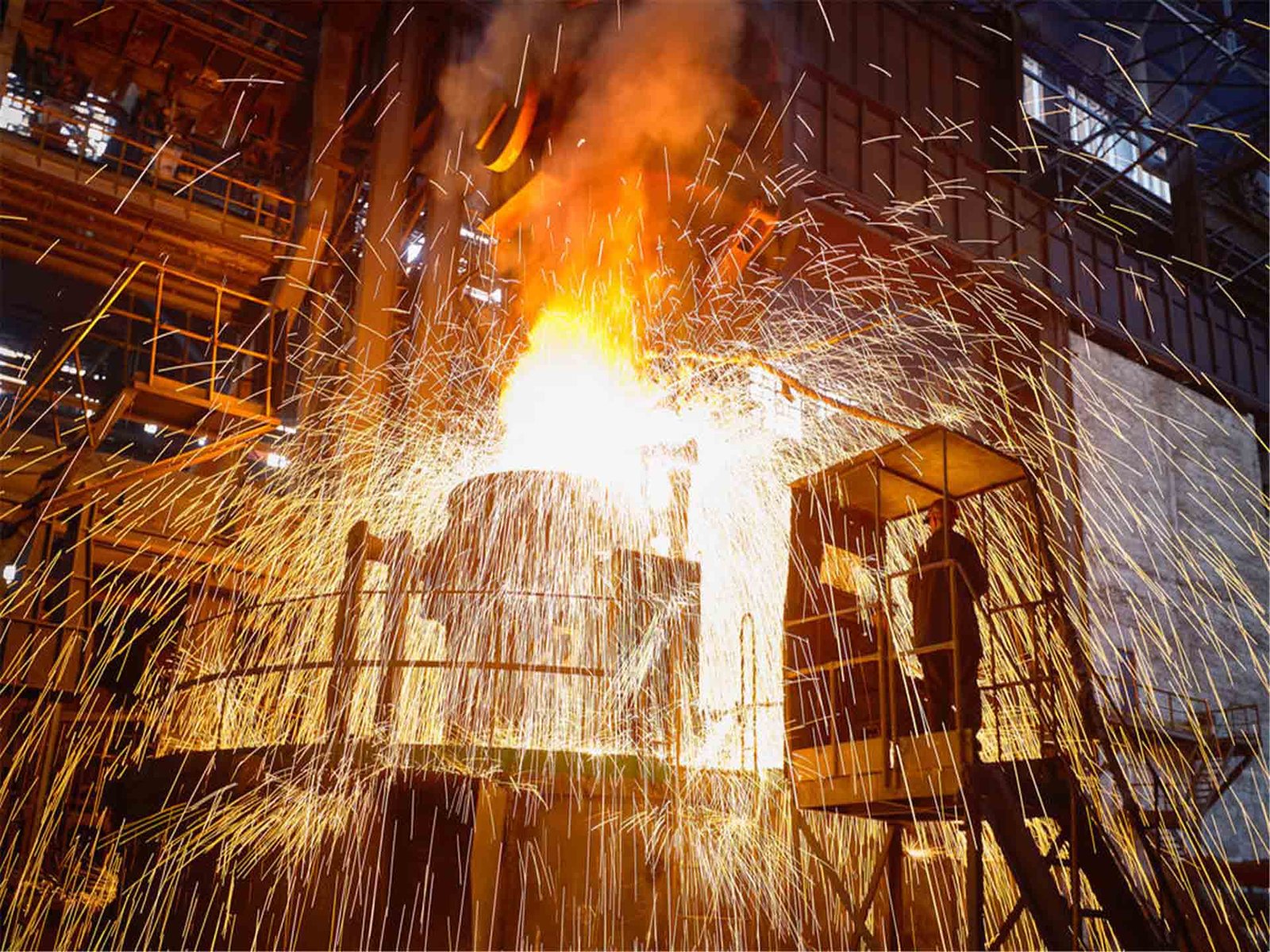
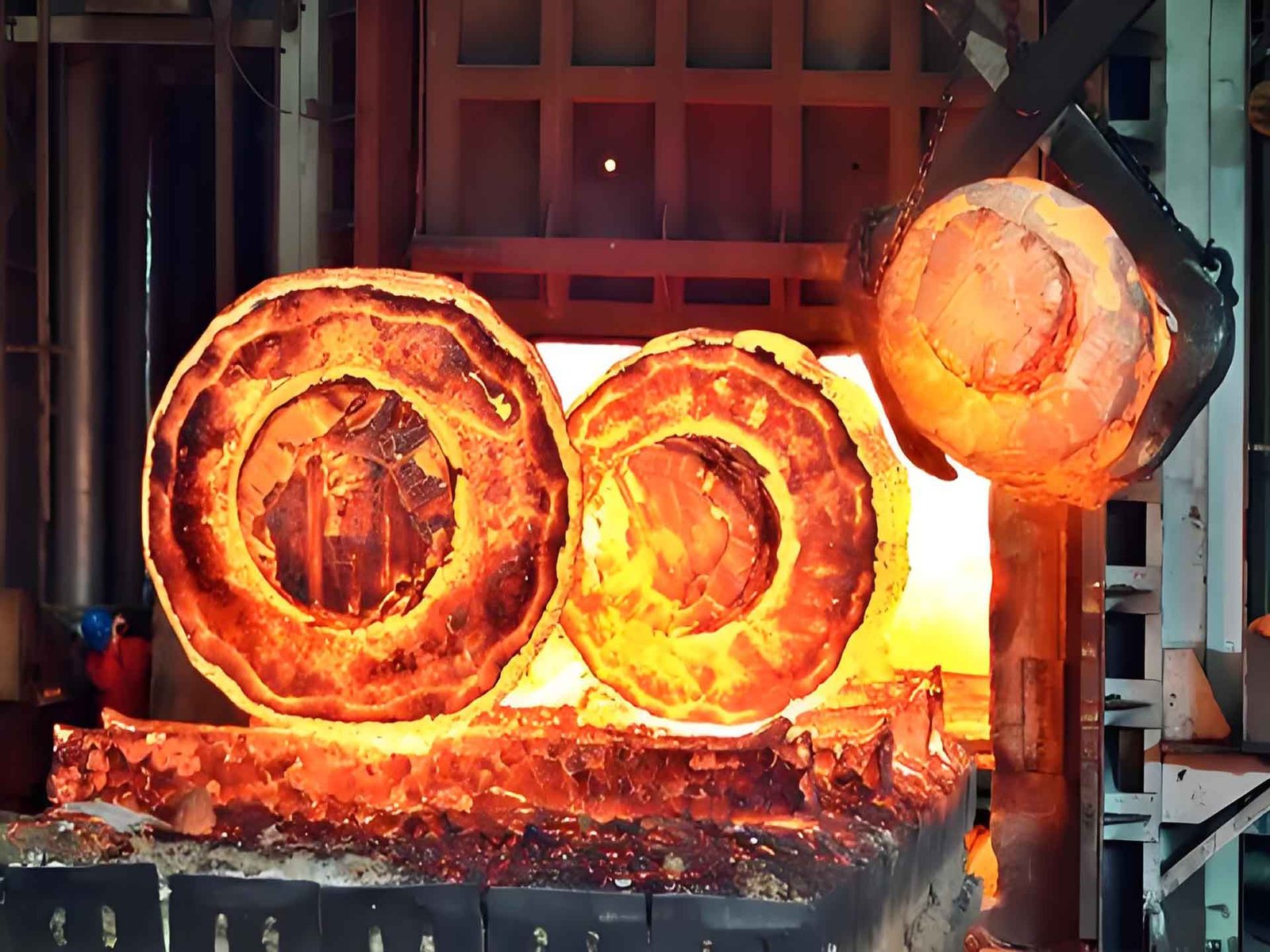
Forging stainless steel is straightforward in theory: heat the material and apply controlled force to shape it. In practice, it requires attention to temperature range and deformation timing.
Stainless grades behave differently from carbon steel. They work-harden quickly and have a narrower forming window. If overheated, surface quality suffers. If underheated, cracking risk increases. That’s why process control is more important than simply having a large press.
Compared with cold forged steel, which is used for smaller precision parts, hot stainless steel forging allows larger cross-sections and better grain flow. For load-bearing parts, that internal grain alignment is often the real advantage.
Where Stainless Steel Forgings Make Sense
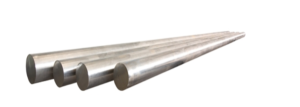
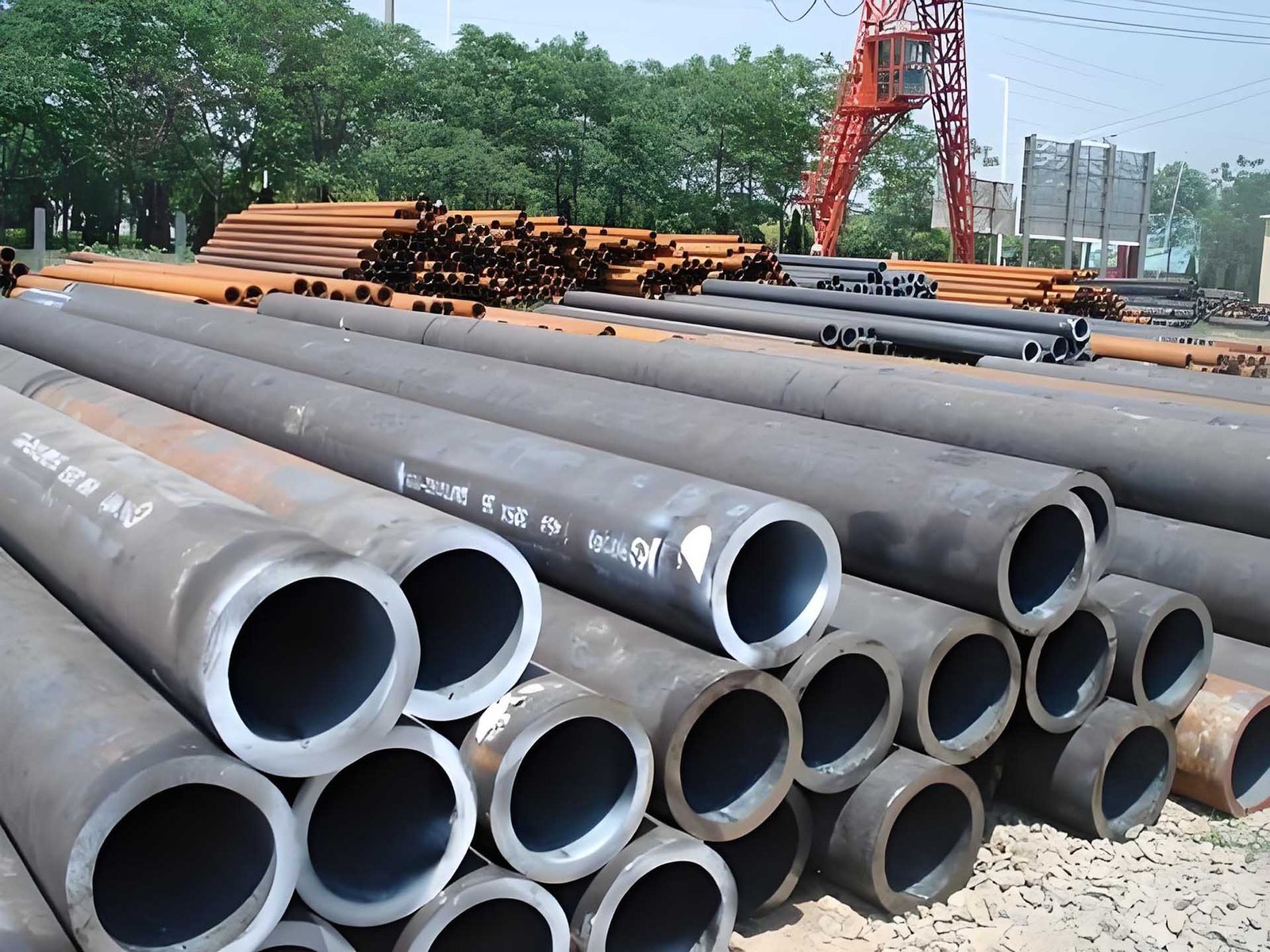
Not every part needs to be forged. Machining from bar stock can be perfectly acceptable for low-stress components.
But when parts are exposed to cyclic loads, pressure, or corrosive media, stainless steel forgings offer better internal soundness than many cast alternatives. This is especially true in oil and gas systems, chemical processing equipment, and marine applications.
Forged alloy steel is commonly used when strength alone is the priority. Stainless steel forging is usually selected when corrosion resistance and structural reliability must work together.
The decision should always start with service conditions — not with the manufacturing method.
Custom Stainless Steel Forging in Practice
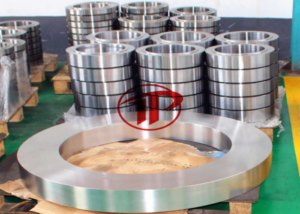
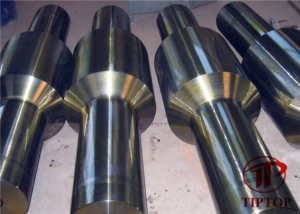
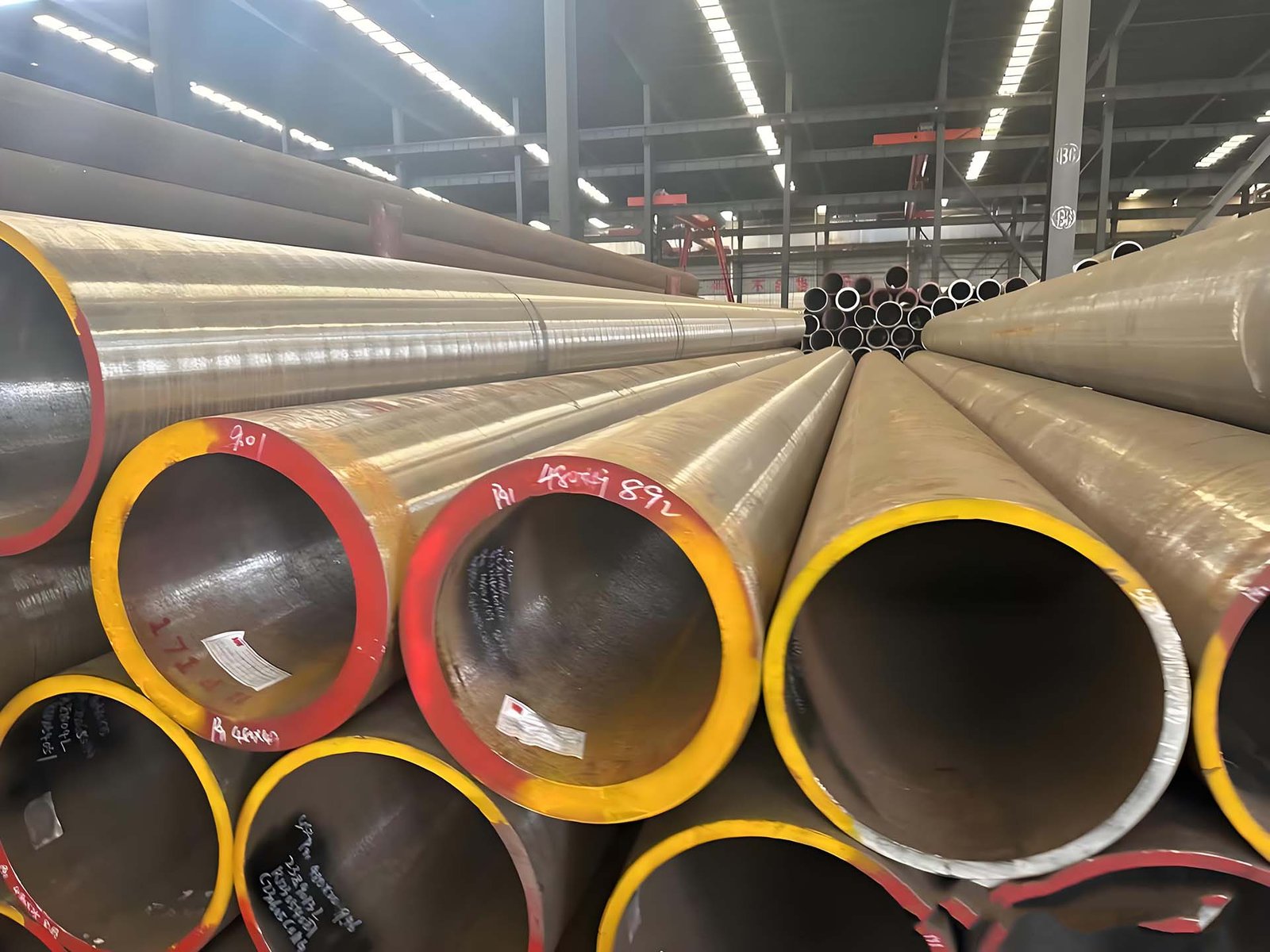
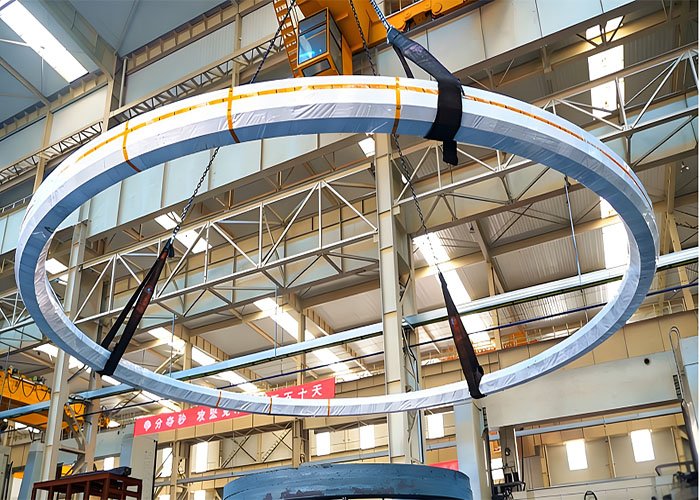
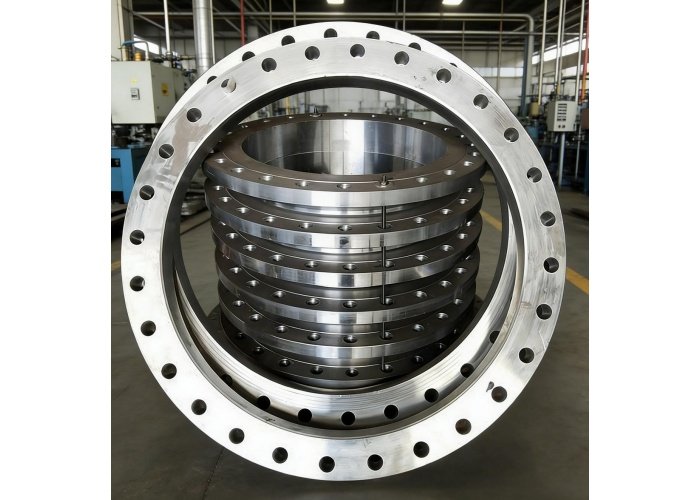
Many of the components we produce are custom steel forgings made to drawings. Shafts, flanges, rings and irregular connectors are common examples.
In custom stainless steel forging, the objective is not just shape, but material flow. Proper reduction during forging refines the grain structure and improves fatigue performance. That becomes important in rotating parts or components under repeated stress.
We review each project based on size, weight, and final machining allowance. In some cases, forging is clearly the right choice. In others, we will say that machining from plate or bar may be sufficient. It depends on the application.

Equipment, Environment, and Real Production Conditions
Industrial stainless steel forging requires stable heating systems and consistent press control. It is different from small workshop forge steel tools or decorative dark steel forge setups.
Temperature uniformity, deformation ratio, and cooling control all influence final properties. Surface scale must be managed, especially for larger sections, to avoid excessive machining later.
Our production setup at TIPTOP Forging is designed around repeatability. We focus on keeping parameters consistent rather than pushing maximum throughput.
Quality and Material Control
With stainless steel forgings, material traceability is important. Chemical composition, heat treatment records, and mechanical testing results are often required for industrial projects.
We verify incoming raw material and monitor the forging process to maintain consistency. For critical components, inspection reports are provided according to customer requirements.
Companies such as Steel Forgings Inc and other established suppliers follow similar principles — process stability and documentation are more meaningful than promotional claims.
A Practical View on Stainless Steel Forging
Stainless steel forging is not a universal solution, but it remains a dependable one when structural integrity and corrosion resistance must coexist.
At TIPTOP Forging, we work with customers who need realistic manufacturing capability. If you are evaluating custom stainless steel forging for a specific application, we can review your drawings and discuss whether forging, cold forged steel, or forged alloy steel would be the most suitable route.
The goal is simple: choose the process that fits the job.