In directional drilling, measurement errors rarely come from the tool itself—they come from interference that was not fully accounted for.
The p550 non-magnetic drill collar exists to remove one of the most common sources of that interference: magnetism inside the drill string. But in real wells, simply using a non-magnetic collar is not enough. The question is whether it can remain stable under actual drilling conditions.
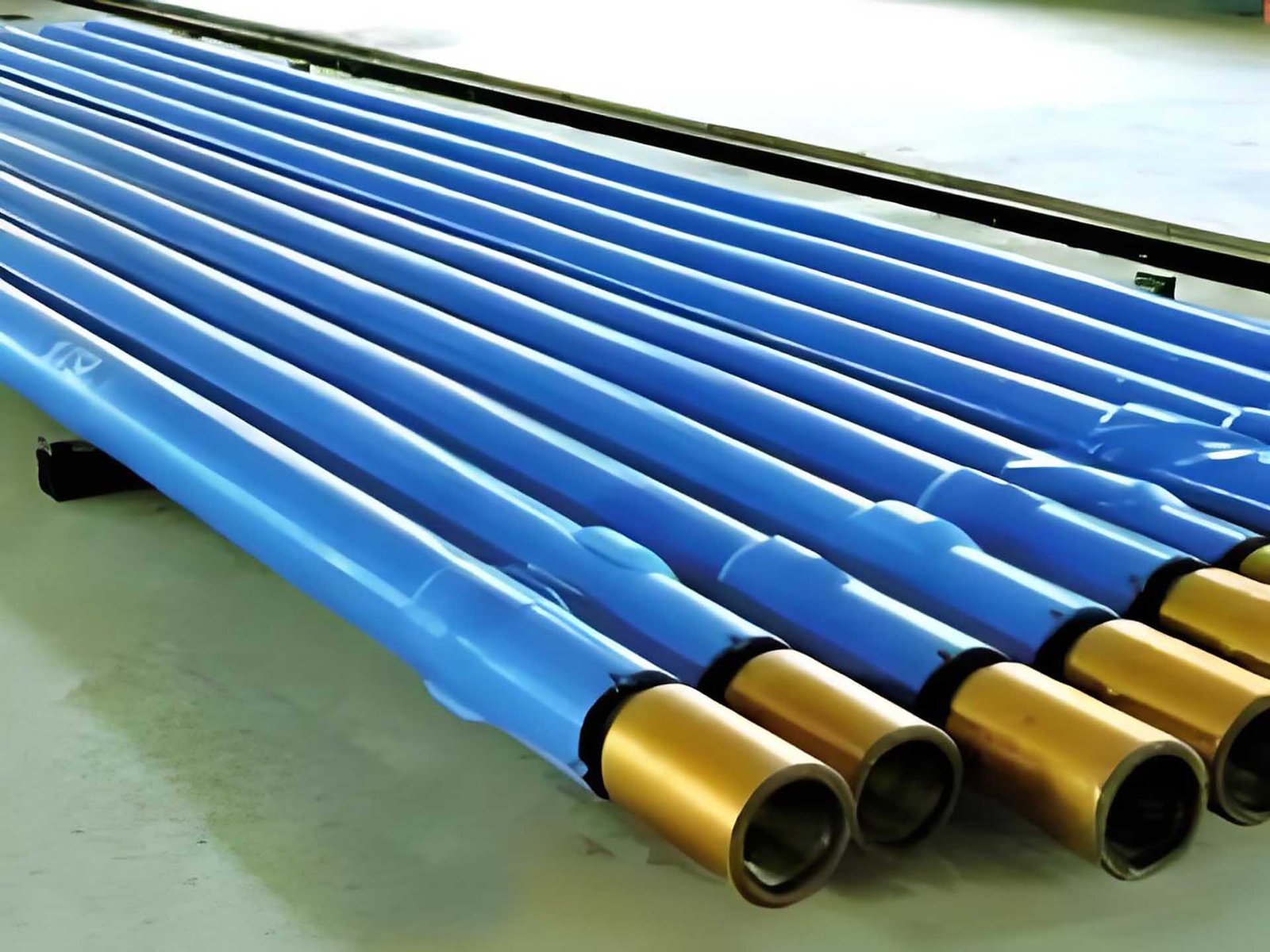
P550 Non-Magnetic Drill Collar and What Is a Drill Collar in Practice
Most definitions of what is a drill collar describe it as a heavy component used to apply weight on bit. That is correct, but incomplete.
In directional wells, the collar is also part of the measurement environment. Once MWD tools are introduced, the collar stops being just a mechanical component and becomes part of the sensing system.
This is where the nmdc (non magnetic drill collar) differs from standard collars. Its role is not only structural, but also to create a zone where measurements are not distorted by surrounding materials.
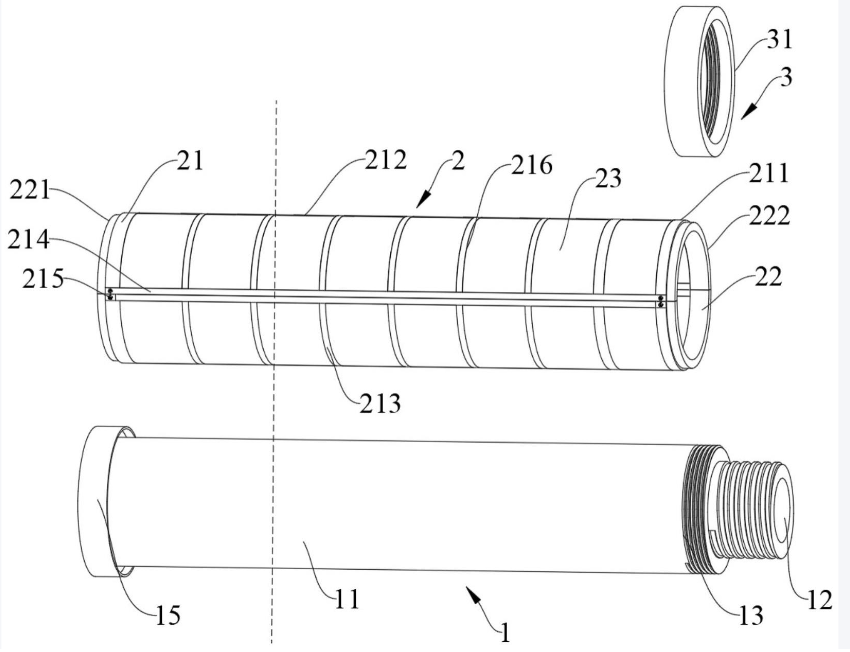
P550 Non-Magnetic Drill Collar Material and Real Downhole Behavior
When people discuss non magnetic drill collar material, the focus is often on whether it is “non-magnetic enough.” In practice, that is only part of the story.
A p550 non-magnetic drill collar operates in an environment where load is not constant. During drilling, the collar experiences cycles of compression, torsion, and impact. Under these conditions, material behavior over time matters more than initial properties.
This is why questions like what are non magnetic drill collars made of are better understood in terms of stability rather than composition. The goal is not just low magnetic permeability, but maintaining that state while the tool is repeatedly stressed.
P550 Non-Magnetic Drill Collar Specifications Only Matter When They Hold in the Field
On paper, non magnetic drill collar specifications are clear and measurable. In the field, they only matter if they remain valid after multiple runs.
A collar that meets specification in inspection but changes behavior after repeated loading can still lead to measurement drift. This is one of the reasons why some non magnetic drilling collar products perform differently even when they appear identical in documentation.
For drilling teams, the real concern is not whether a specification is achieved once, but whether it is maintained throughout the operation.
Why Some P550 Non-Magnetic Drill Collars Perform Better Than Others
Differences between non magnetic drill collar products rarely come from design alone. More often, they come from how consistently the material and geometry are controlled during production.
In long components like drill collars, small variations tend to accumulate. Over time, these variations can affect alignment, stress distribution, and ultimately the reliability of the measurement system.
This is also why the term non mag drill collar material is often discussed among engineers in terms of “batch consistency” rather than just grade.

How TIPTOP Approaches P550 Non-Magnetic Drill Collar Manufacturing
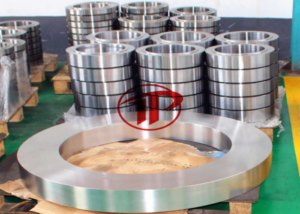
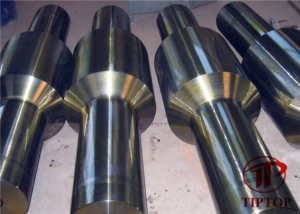
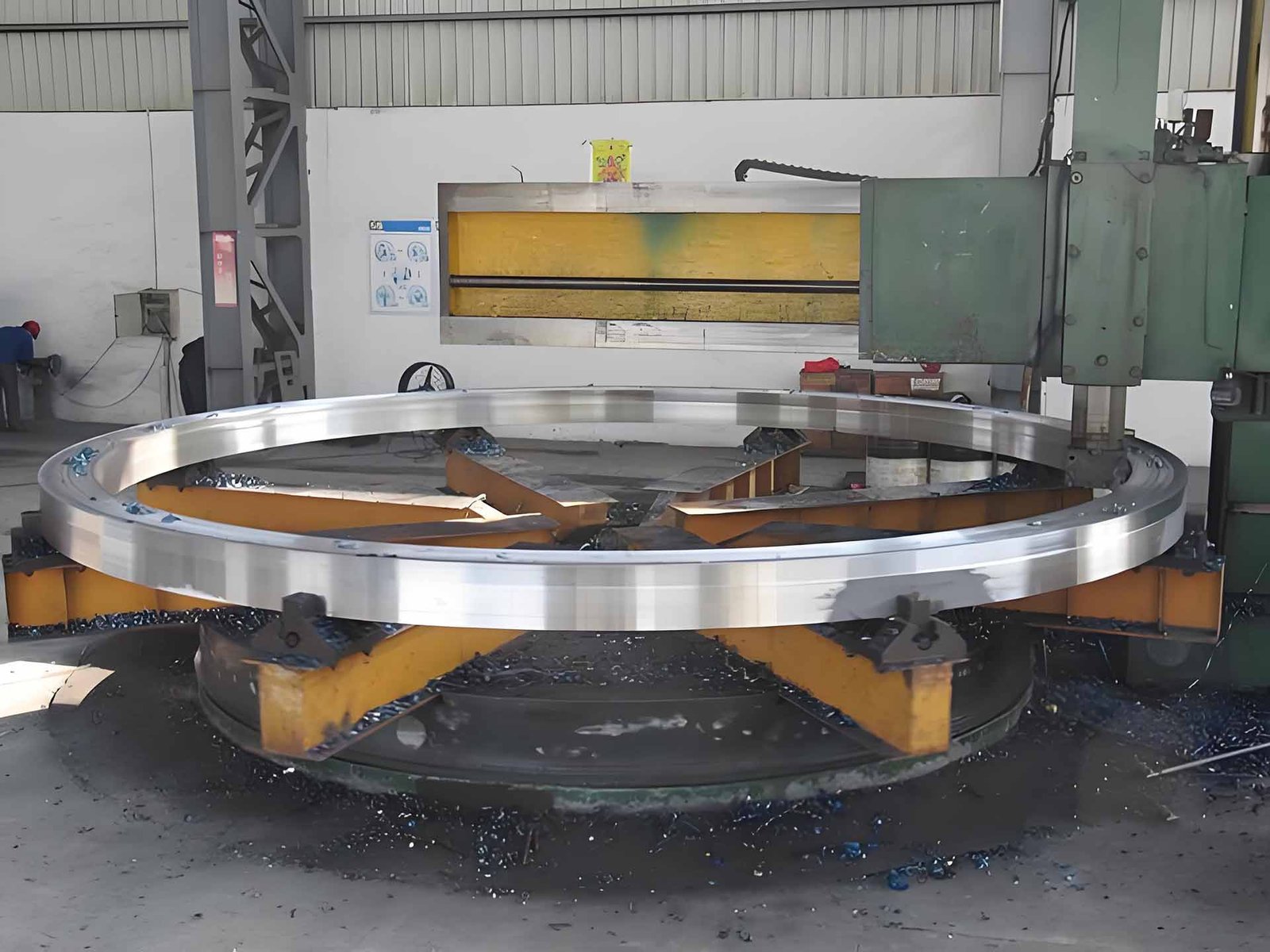
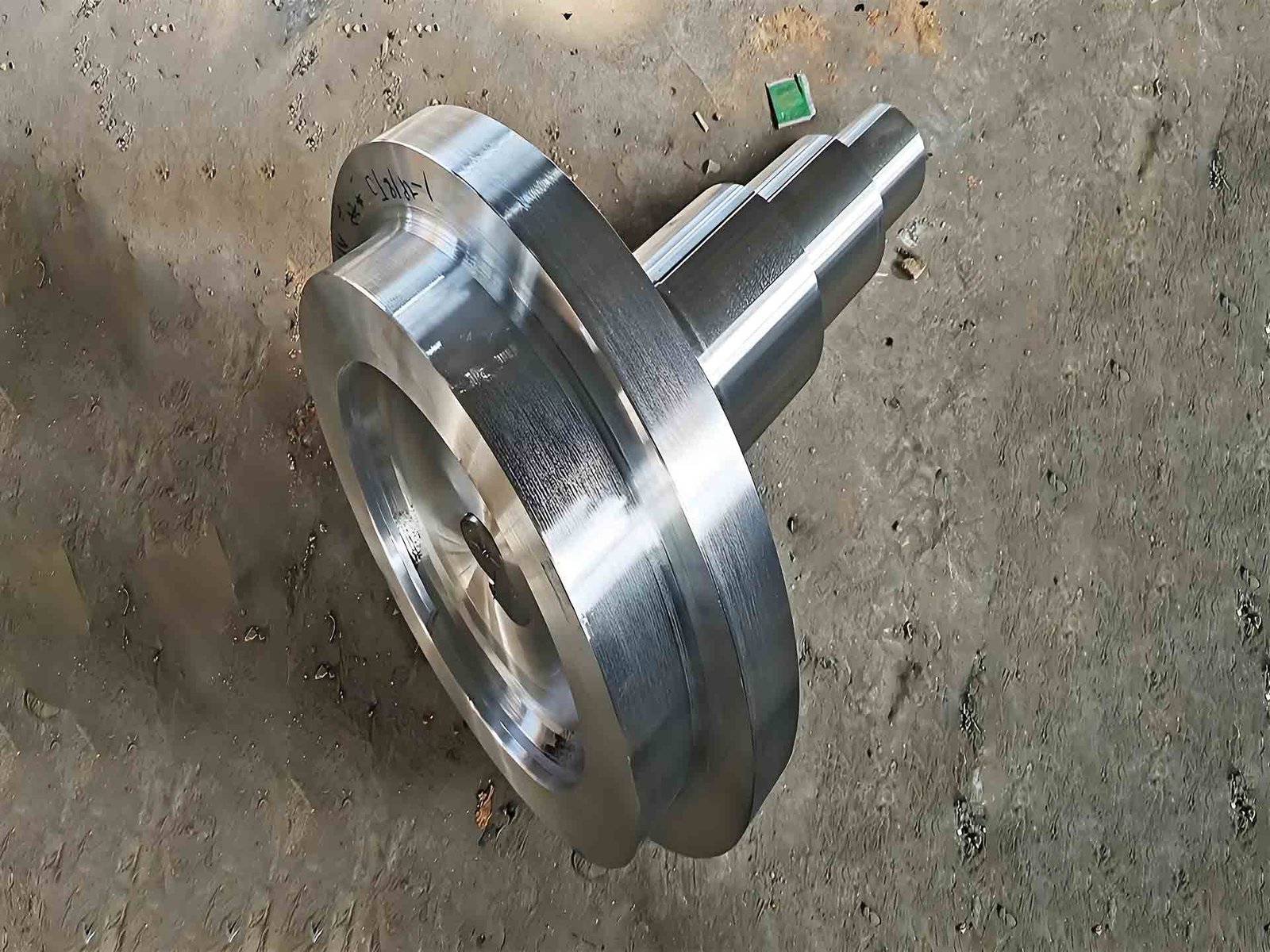
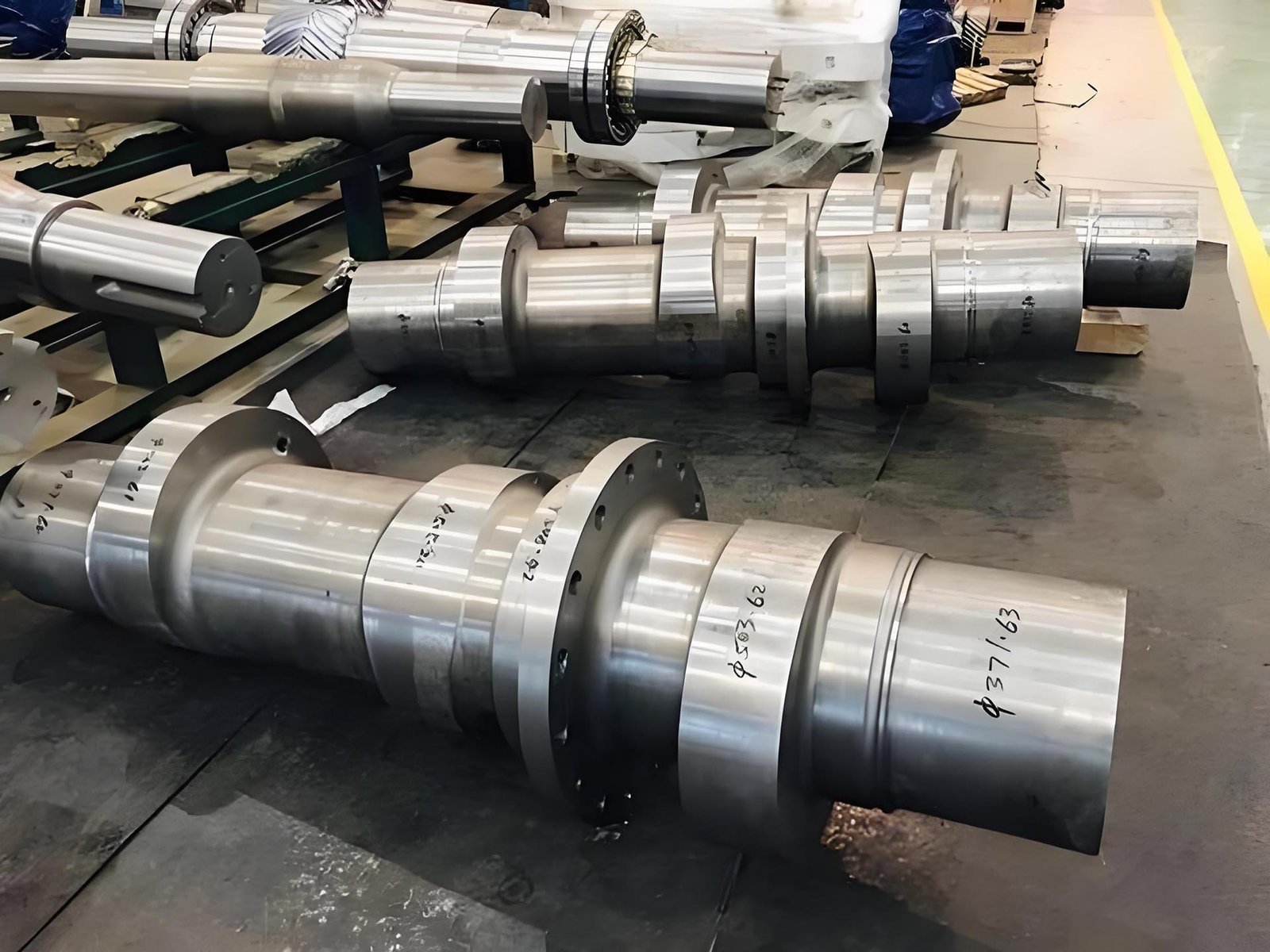
TIPTOP’s role in the p550 non-magnetic drill collar supply chain is not to provide a full catalog of finished tools, but to focus on the part that most directly affects performance: the integrity of the base material and structure.
From what can be seen on https://tiptopforging.com/, the company’s strength lies in handling large forged components where internal consistency is more critical than surface-level features.
In practical terms, this approach is aimed at reducing a specific type of uncertainty:
tools that meet requirements in drawings but behave differently once deployed.
For customers working with nmdc (non magnetic drill collar) systems, this kind of consistency becomes more valuable than simply having more options.
P550 Non-Magnetic Drill Collar in MWD and LWD Applications
In MWD and LWD operations, the p550 non-magnetic drill collar is placed close to sensitive instruments. Its role is not active, but it directly affects the quality of the data being collected.
If the collar introduces interference, the system compensates. If the interference changes over time, the compensation becomes unreliable.
This is why, in non magnetic drill collar applications, stability is more important than initial performance. A collar that behaves consistently allows the measurement system to remain predictable.
P550 Non-Magnetic Drill Collar and Related Non Magnetic Fasteners in Assemblies
In a complete drilling assembly, non magnetic fasteners are sometimes used alongside the p550 non-magnetic drill collar. Their role is not prominent, but they help maintain a consistent non-magnetic environment.
The key point is not the presence of individual components, but how the entire assembly behaves as a system. Even small magnetic sources can influence measurements when placed close to sensors.
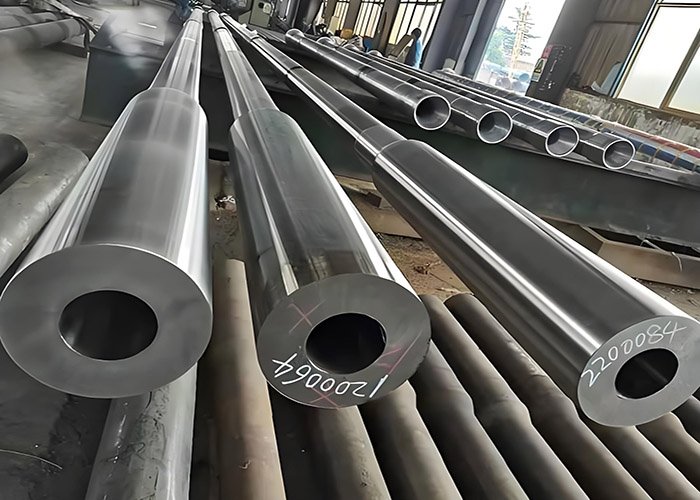
Conclusion: P550 Non-Magnetic Drill Collar Is About Stability Over Time
The p550 non-magnetic drill collar is often described in terms of material and specifications. In practice, its value is defined by how consistently it performs under real drilling conditions.
For operators, the objective is not simply to use a non-magnetic component, but to ensure that measurement conditions remain stable throughout the operation.
For manufacturers like TIPTOP, the challenge is not to make claims, but to reduce variability where it matters most—inside the material and across production batches.