
Description
Introduction
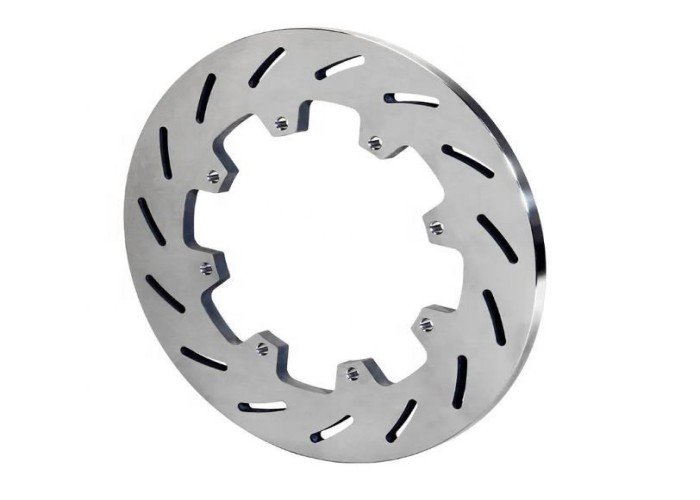
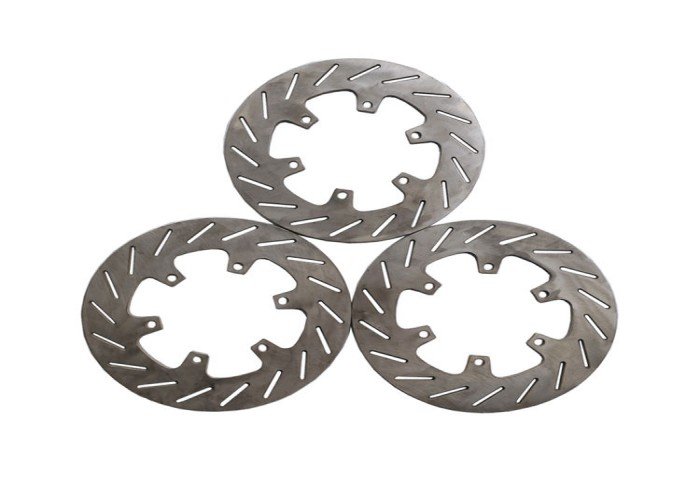
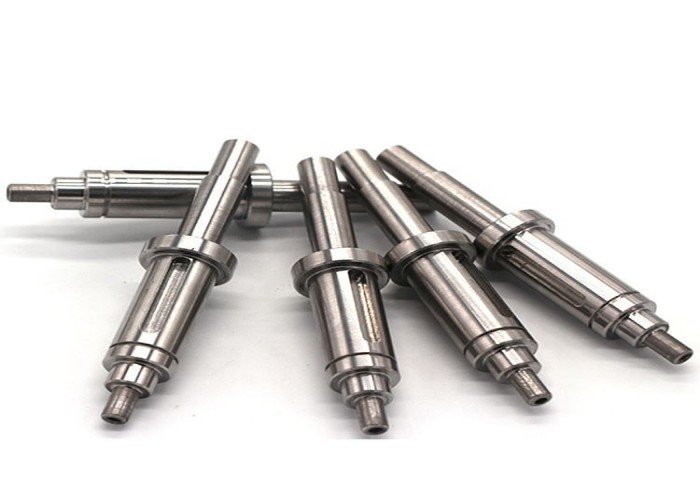
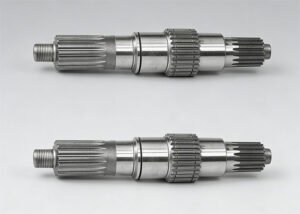
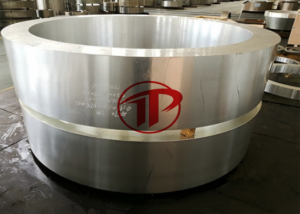
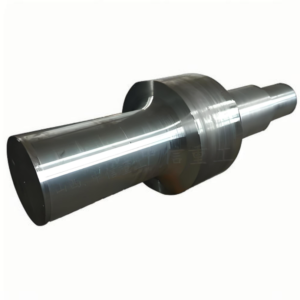
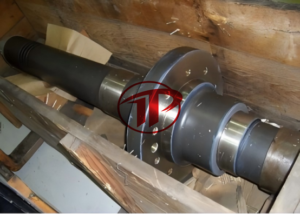
Titanium alloy rotors are high-speed rotating components manufactured from titanium alloy materials, primarily used in critical applications such as laboratory centrifuges and aircraft engines, where material performance requirements are extremely high. TIPTOP’s titanium alloy rotors possess excellent overall performance, enabling stable operation in high-speed, high-temperature, or corrosive environments, and have gained recognition from numerous customers for their superior performance.
Define Rotor – Core Materials and Rotor Performance Explained
Titanium alloy, as the core material for the rotors, offers significant advantages in performance. The materials can be broadly classified into two categories:
Conventional high-strength titanium alloys: such as Ti-6Al-4V (TC4)
Specialized heat-resistant titanium alloys:
Near-α titanium alloys: such as Ti-6Al-2Sn-4Zr-2Mo (Ti-6242)
Titanium-aluminum intermetallic compounds: such as Ti-45Al-8Nb-2Cr
Types of Rotors and Key Manufacturing Processes
We manufacture high-performance titanium alloy rotors through precise processes. The main key production processes are as follows:
Forming technology: Different forging processes are used according to the component shape and performance requirements.
Heat treatment: To obtain the required strength, plasticity, and thermal stability.
Surface treatment: To improve wear resistance, corrosion resistance, or oxidation resistance.
What Is a Rotor Used For? Rotor Applications in Centrifuge and Aerospace Fields
In the field of high-speed/ultra-high-speed centrifuge rotors, industrial pure titanium or conventional titanium alloys (such as TC4) are commonly used. These materials have the significant advantage of high specific strength, allowing rotor speeds to reach over 70,000 revolutions per minute. They also possess excellent corrosion resistance, capable of adapting to solution environments with pH values ranging from 3.5 to 11.0, and can withstand high-temperature sterilization. Therefore, titanium alloy rotors are often used to replace aluminum alloy rotors and are widely used in biological, chemical, and other applications requiring high-speed processing or involving corrosive samples.
In the field of aero-engine and turbine rotor components, heat-resistant titanium alloys are often preferred, such as the near-alpha alloy Ti-6Al-2Sn-4Zr-2Mo or the cast alloy ZTC4. These materials maintain high strength and stability in high-temperature environments of 400–600°C and exhibit excellent creep and fatigue resistance. They are primarily used in the manufacture of critical components such as compressor discs and blades for aero-engines; in power plant turbines, they are also commonly used to replace stainless steel blades, effectively solving corrosion and wear problems.
Rotor Meaning in Engineering – Advantages of Titanium Alloy Rotor vs Aluminum Rotor
As a rotor material (especially in high-performance applications), titanium alloys have the following core advantages compared to aluminum alloys:
Higher specific strength and ultimate rotational speed
Excellent fatigue resistance, resulting in longer service life, higher reliability, and better safety under high stress and long-term operation. Based on our production experience and feedback from long-term customers, TIPTOP titanium alloy rotors we produce are more durable due to their superior performance, resulting in a longer service life.
Excellent corrosion resistance
Higher heat resistance and thermal stability
Request a Customized Titanium Alloy Rotor Solution
With extensive experience in titanium alloy forging and precision machining, TIPTOP provides customized rotor solutions based on your specific application requirements, including material selection, structural design, heat treatment, and inspection standards. Whether your project involves high-speed centrifuge rotors, aerospace rotor components, or other demanding rotating parts, our engineering team can support you from the design stage through final delivery.
If you are looking for a reliable titanium alloy rotor manufacturer with stable quality control and full material traceability, please feel free to contact us with your drawings or technical specifications. We will respond promptly with a professional proposal and technical support tailored to your project.


Reviews
There are no reviews yet.