Introduction
In hydraulic systems, the cylinder block is a critical component responsible for containing pressure, guiding motion, and ensuring long-term sealing performance. The manufacturing method of the cylinder block—whether forged or cast—has a direct impact on strength, durability, and reliability.
For engineers and buyers, choosing between forged cylinder blocks and cast cylinder blocks is not just a cost decision, but a question of performance under real working conditions. This guide explains the key differences and helps you select the right option for your hydraulic application.
What Is a Forged Cylinder Block?
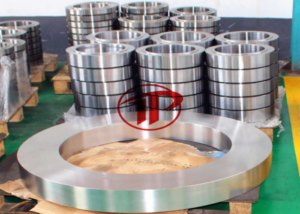
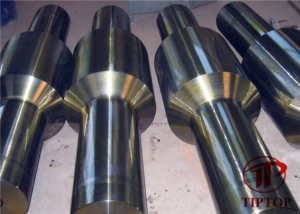
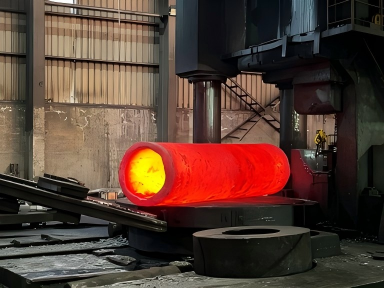
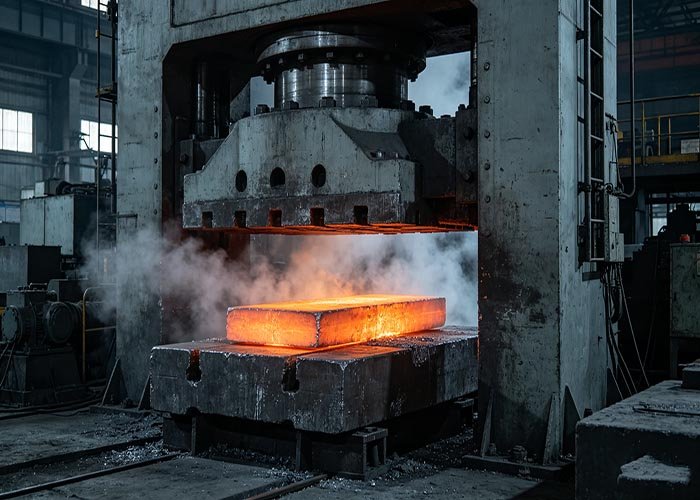
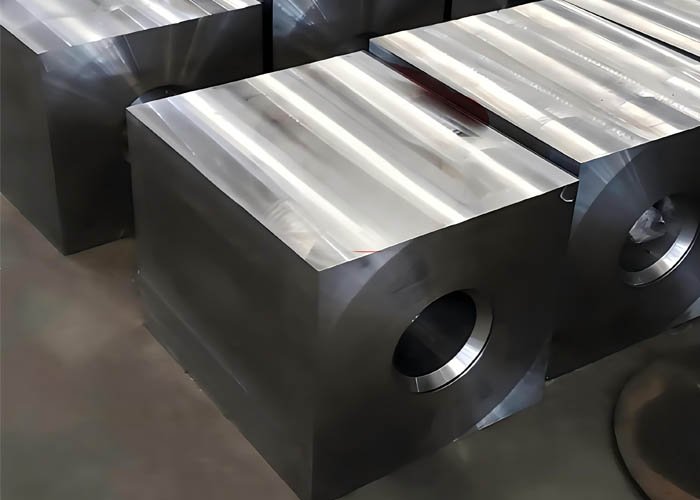
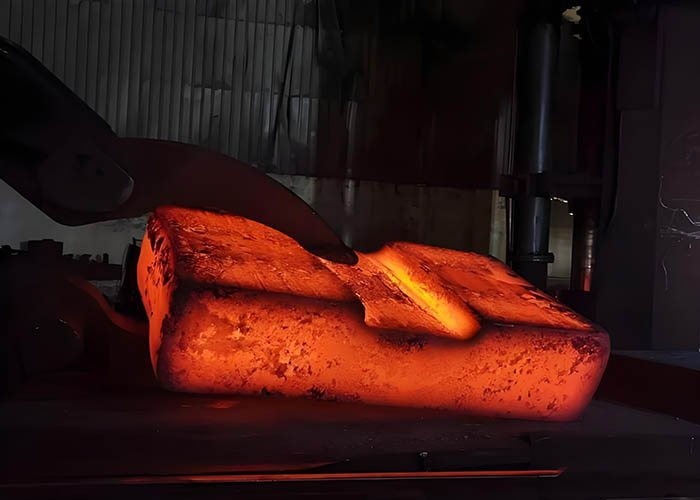
A forged cylinder block is manufactured through high-temperature deformation of solid metal billets using forging presses or hammers. This process refines the internal grain structure and aligns the metal flow along the shape of the component.
As a result, forged cylinder blocks have higher density, improved mechanical properties, and better resistance to fatigue and impact. These characteristics make them suitable for high-pressure and heavy-duty hydraulic systems.
What Is a Cast Cylinder Block?
A cast cylinder block is produced by pouring molten metal into a mold and allowing it to solidify into the desired shape. Casting enables complex geometries and is often more cost-effective for large-volume production.
However, due to the nature of solidification, cast components may contain internal defects such as porosity, shrinkage cavities, or segregation, which can affect mechanical performance and reliability under stress.
Key Differences Between Forged and Cast Cylinder Blocks
| Aspect | Forged Cylinder Block | Cast Cylinder Block |
| Manufacturing Process | Plastic deformation (forging) | Liquid metal casting |
| Internal Structure | Dense, uniform grain flow | Possible porosity and segregation |
| Strength | Higher | Moderate |
| Fatigue Resistance | Excellent | Lower |
| Pressure Resistance | Superior | Limited in extreme conditions |
| Cost | Higher initial cost | Lower initial cost |
| Design Complexity | Moderate | High |
�� The core difference lies in internal structure and reliability.
Performance in Hydraulic Applications
Hydraulic systems are generally subjected to high pressure, cyclic loadings, and harsh environmental situations. Under these circumstances, the internal quality of a cylinder block becomes highly important.
A forged cylinder block has better performance in holding internal pressure as well as withstanding repeated stress cycles. The compact make-up of a forged cylinder block means there is less possibility for leakages and cracks, which is vital for keeping the seal intact.
While casting is a cheaper manufacturing method, and cast cylinder blocks are good enough for lower pressure or less demanding scenarios, they do have their drawbacks when continuously exposed to heavy load over a long period of time.
Fatigue Life and Long-Term Reliability
Hydraulic component parts break down due to fatigue failure most of the time.
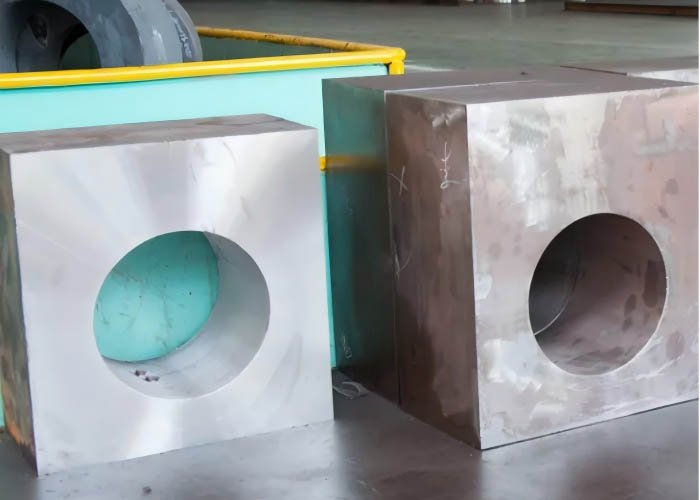
Thanks to the structure of grains being refined, forged cylinder blocks resist better the start of cracks and their growth. Especially for systems undergoing frequent changes of pressure, this leads to a much longer service life.
On the other hand, if there are defects in casting, such spots can act as places where stress gets concentrated thus decreasing the fatigue life and increasing the chances of the system breaking down prematurely.
Cost vs Value: What Should You Consider?
The bait for choosing cast cylinder blocks is their cheaper manufacturing cost, which would lead to their being quite popular among those projects that simply could not afford more expensive solutions.
But it is a great mistake to think that price means nothing else than production cost in this case. Maintenance, downtime, replacement are other costs that have to be taken into account as well. Forged blocks, when working under heavy duty conditions, usually give better value for money over a number of years because they quickly wear out less, break less and have less downtime.
Generally speaking, the higher cost of forging is more than made up for by the resulting superior reliability and lower overall life cycle costs of the hydraulic systems that are critical.
When to Choose Forged Cylinder Blocks
You will usually find forged cylinder blocks to be the most suitable in case:
· The team is working under very high pressure
· The parts get physically moved or are loaded repeatedly
· One wants a very durable, reliable piece of equipment in the long run
· The possibility of failure has to be reduced to the minimum
Examples of applications requiring these characteristics include construction machines, mining machines, offshore systems, and heavy-duty hydraulic presses.
When Cast Cylinder Blocks Are Suitable
You may find that cast cylinder blocks suit your needs under the following circumstances:
· The pressure under which the system operates is relatively low
· The product is so intricate that it needs the flexibility of casting
· Budgetary considerations are the most important factor in the decision
· The application or use is of fairly low risk or not safety-critical
Which Is Better for Your Hydraulic System?
There is no standard answer. The final choice depends on the conditions under which you will be operating.
· For heavy-duty, high-pressure hydraulic systems, nothing beats forged cylinder blocks in terms of reliability.
· For tight budget, low-stress situations, cast cylinder blocks may do the job well enough
By and large, when performance and safety are highly important, an engineering standpoint would advocate the use of forged blocks.
Why Choose TIPTOP Forged Cylinder Blocks?
TIPTOP is a leading expert in the creation of high-grade forged cylinder blocks suitable for very demanding hydraulic uses. We rely on our controlled forging techniques and rigorous quality checks to ensure that our products perform consistently as expected.
We offer tailor-made solutions, dependable shipments, and a wealth of knowledge of large forgings is all at your disposal for helping you get superior system reliability and lower costs across the product life cycle.
FAQ: Forged vs Cast Cylinder Blocks
Q1: Are forged cylinder blocks always better than cast ones?
Not always. Forged blocks are better for high-load applications, while cast blocks may be sufficient for lower-demand use.
Q2: Why are forged cylinder blocks stronger?
Because forging refines the grain structure and eliminates internal defects, improving overall mechanical properties.
Q3: Is casting cheaper than forging?
Yes, but long-term costs may be higher due to maintenance and replacement.
Q4: Can forged cylinder blocks be customized?
Yes. Forging allows customization in size, shape, and material based on application requirements.
Request the Right Solution for Your Application
Choosing between forged and cast cylinder blocks requires a clear understanding of your hydraulic system.
Tell us your operating conditions and requirements, and our engineering team will recommend the most suitable solution.