BLOG
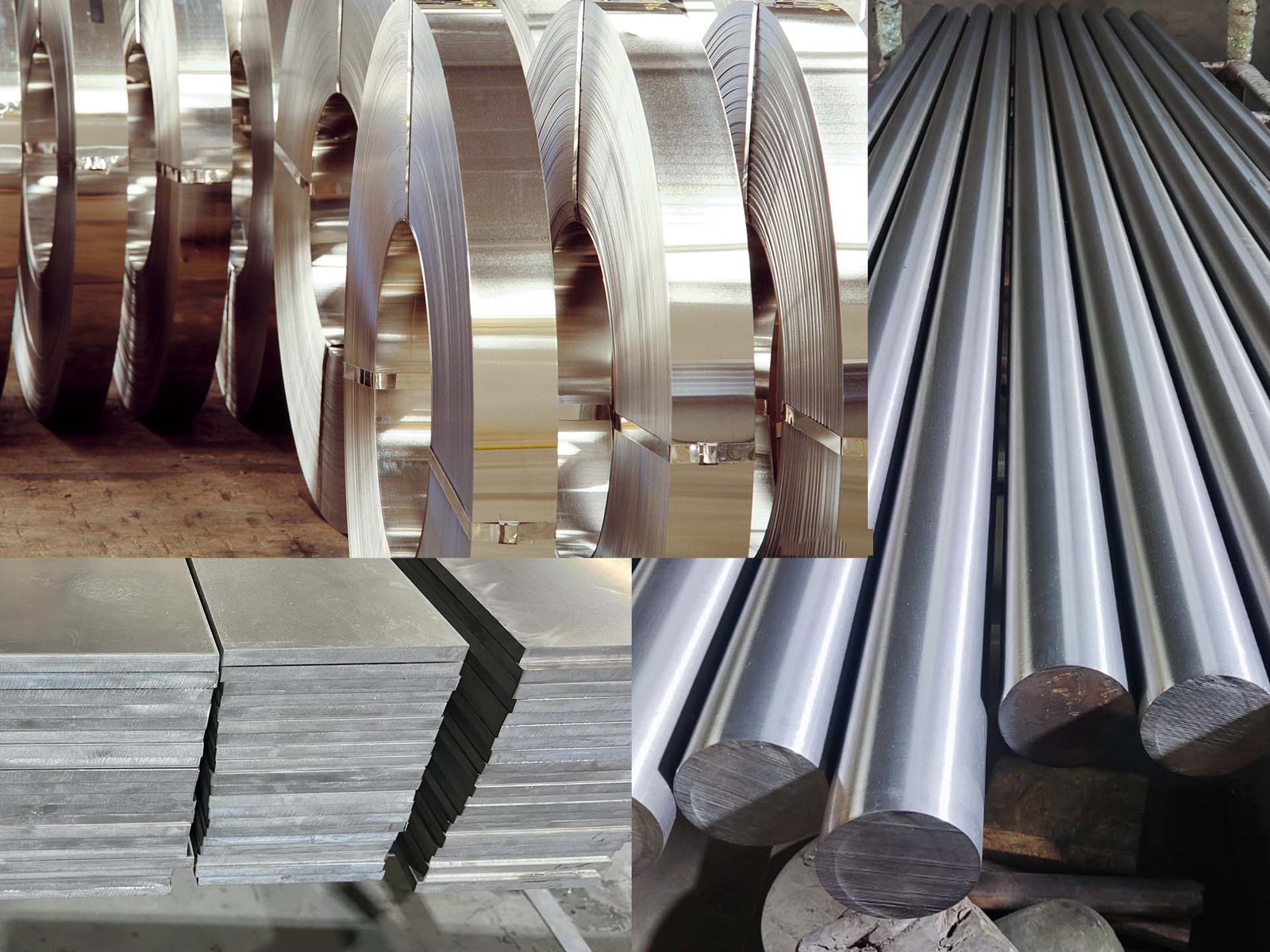
Titanium alloys have been gaining serious traction in aerospace, petrochemical, medical devices, and marine engineering over the past few years. High specific strength, excellent corrosion

Titanium alloys have been gaining serious traction in aerospace, petrochemical, medical devices, and marine engineering over the past few years. High specific strength, excellent corrosion
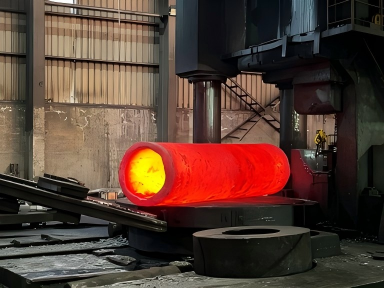
Typical Dimensional Range of Common Large-Diameter Steel Pipes: Large-diameter steel pipes are widely used across energy, electronics, automotive, and light industry sectors. They are also
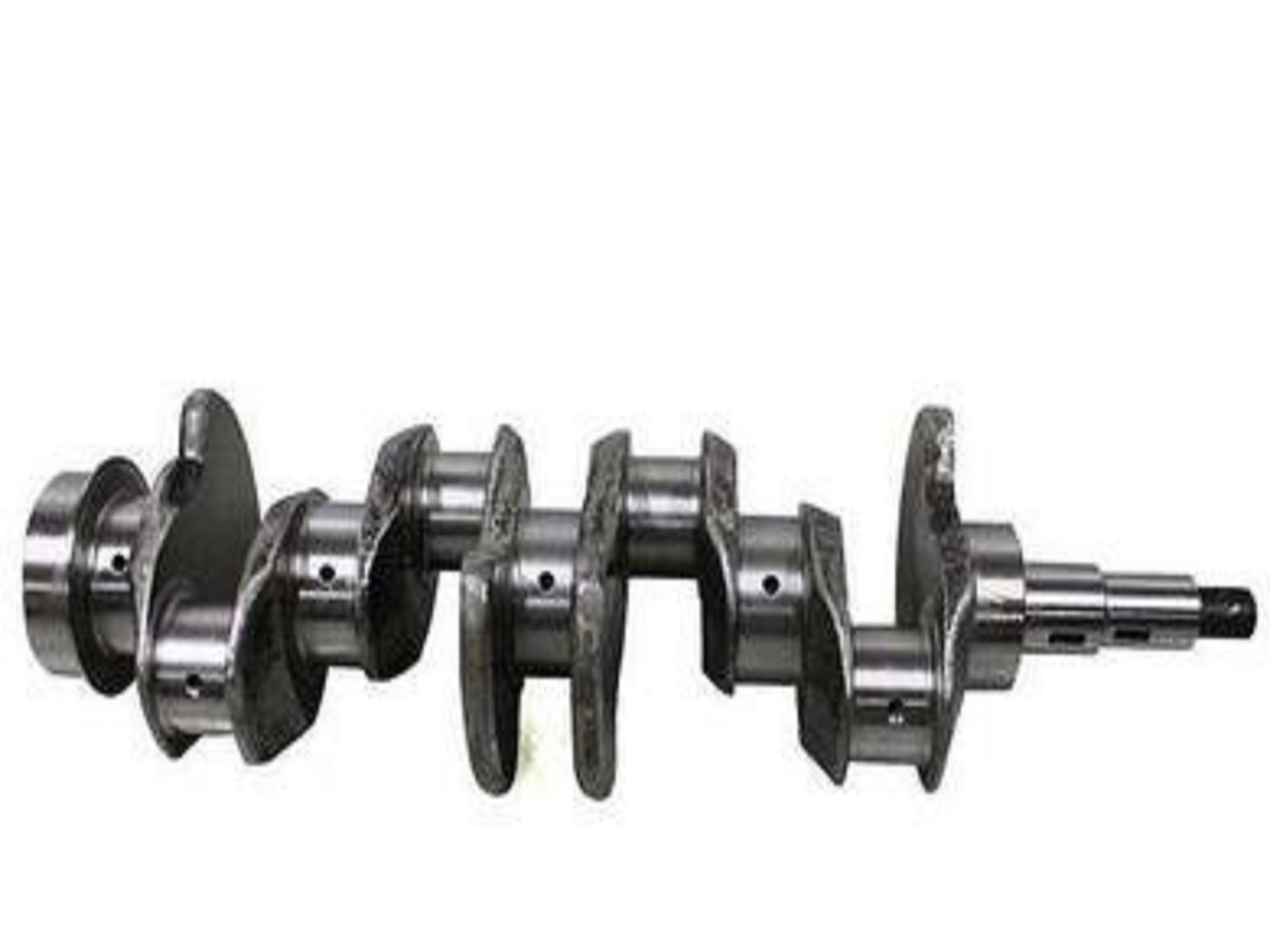
When it comes to engine durability, what is the first key factor that comes to mind? In my opinion ,forged crankshafts definately remain a key factor. The demand for reliable forged crankshafts continues to grow, whether in heavy-duty diesel engines, high-performance modified vehicles, or industrial equipment.
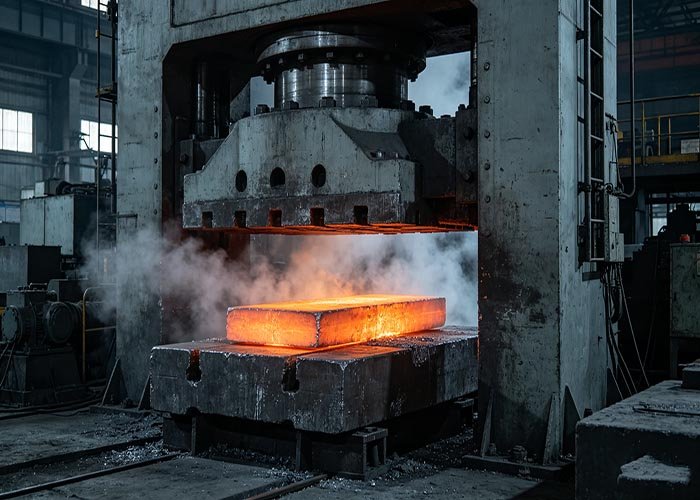
Introduction In hydraulic systems, the cylinder block is a critical component responsible for containing pressure, guiding motion, and ensuring long-term sealing performance. The manufacturing method
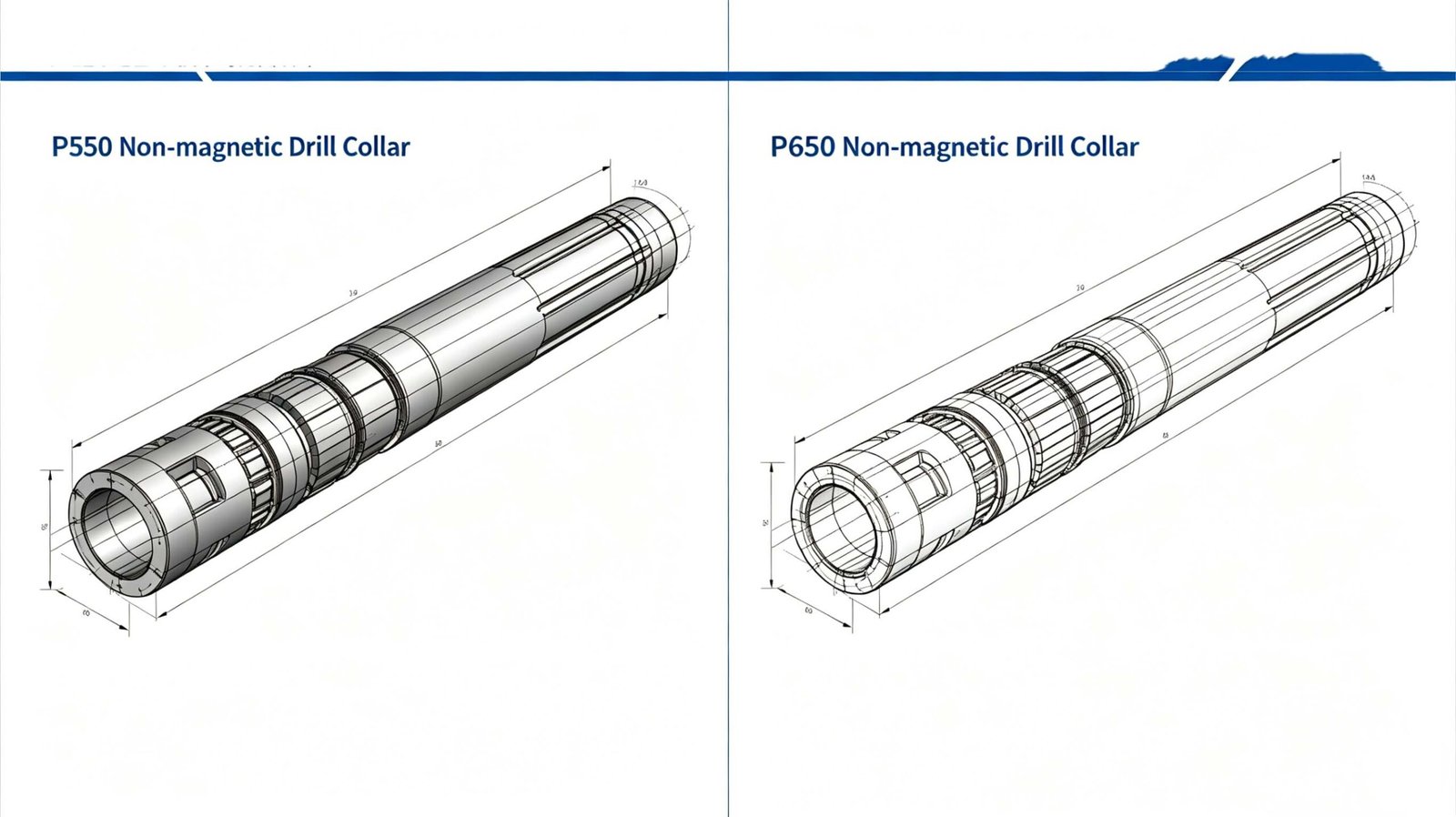
In directional drilling operations, selecting the right non magnetic drill collar (NMDC) material is critical for ensuring measurement accuracy and overall drilling reliability. Among the most commonly used materials, P550 and P650 non magnetic drill collars are widely applied in MWD (Measurement While Drilling) and LWD (Logging While Drilling) systems.
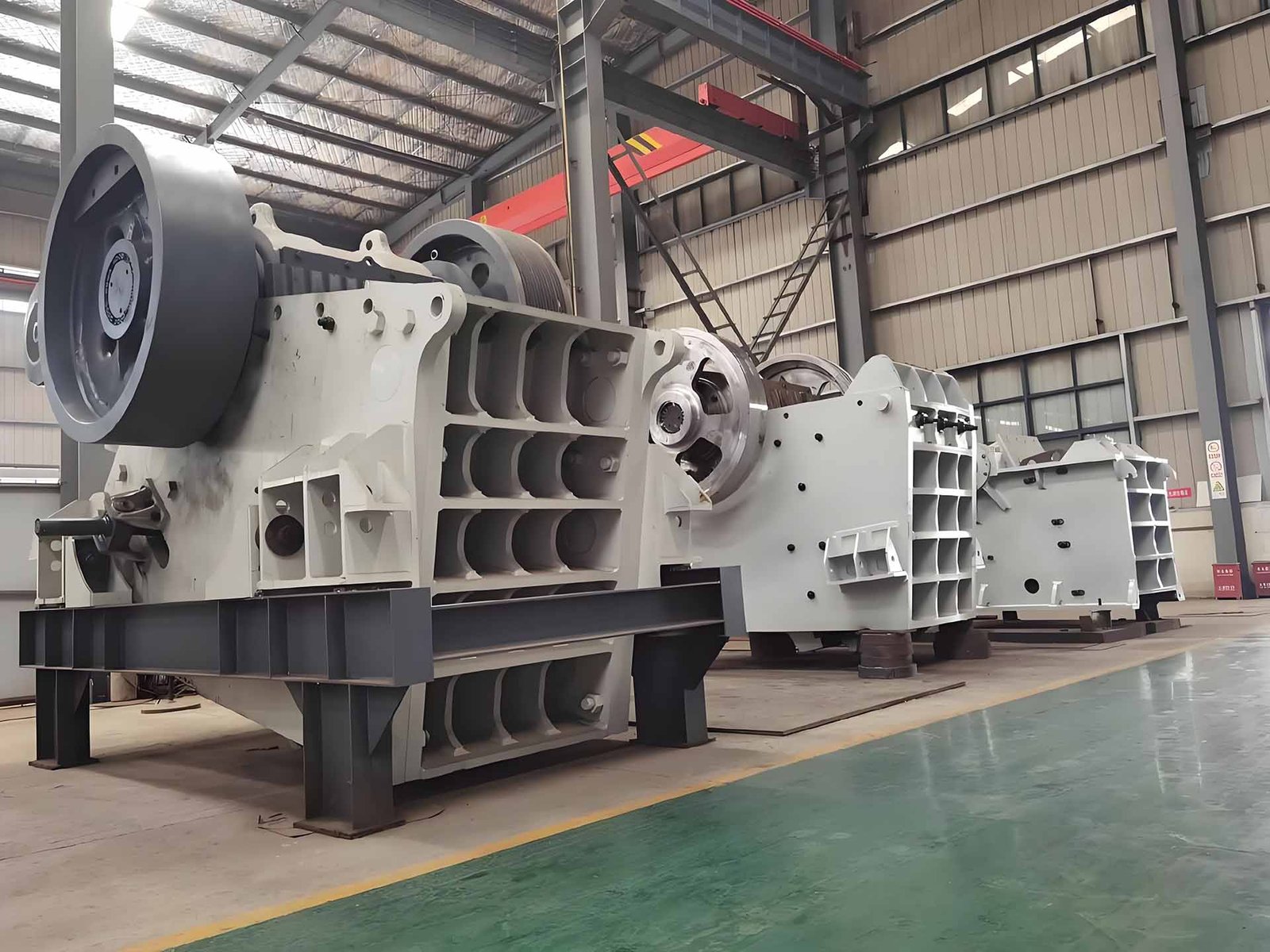
Crusher jaw plates are essential wear parts in jaw crushers, designed for high-impact and abrasive environments. TIPTOP Forging supplies high-quality jaw crusher plates, wear plates, and side plates with optimized materials and custom solutions.
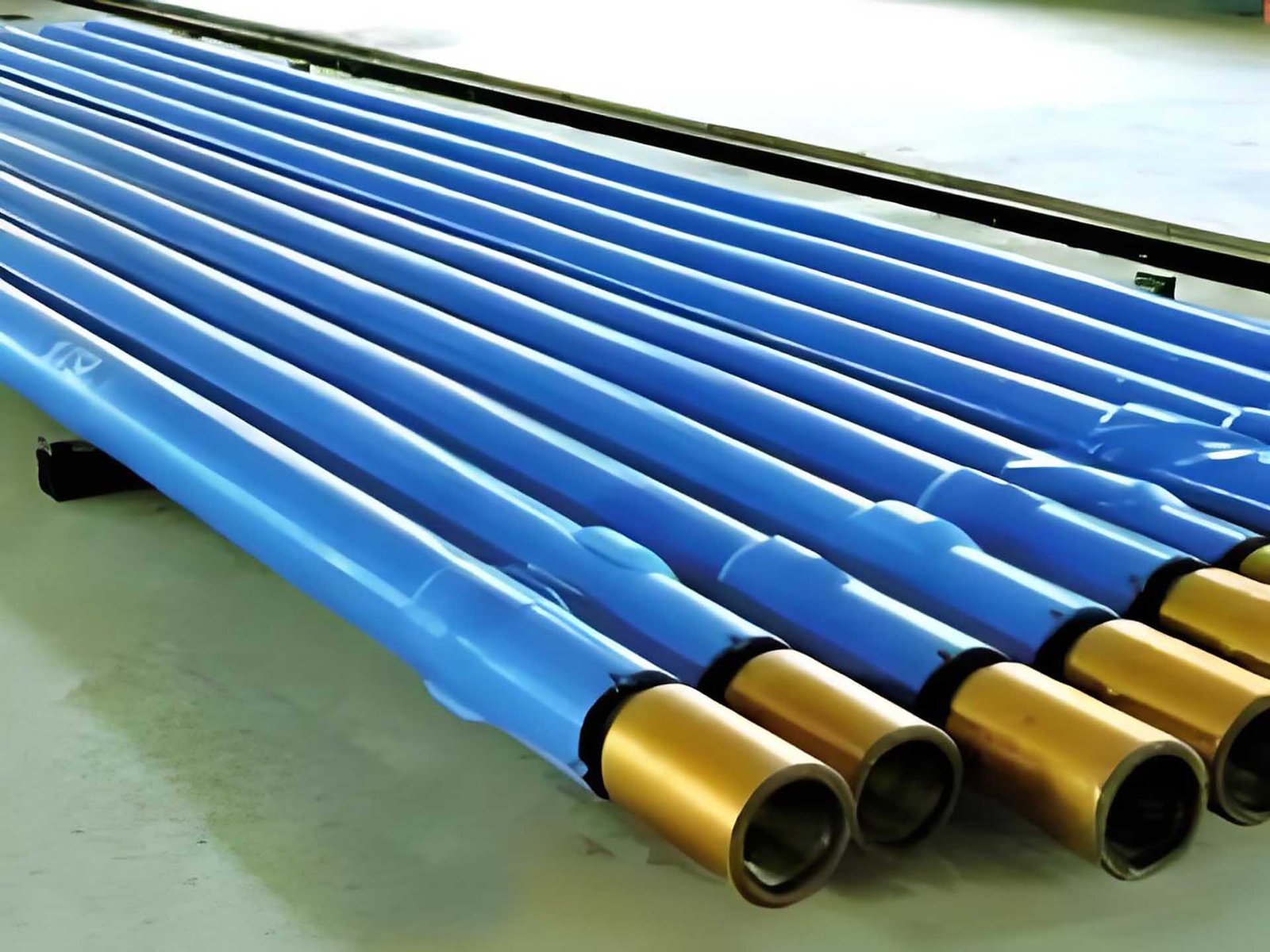
The P550 non-magnetic drill collar plays a critical role in maintaining measurement accuracy in directional drilling. This article explains how material stability, manufacturing consistency, and real downhole conditions affect performance beyond basic specifications.
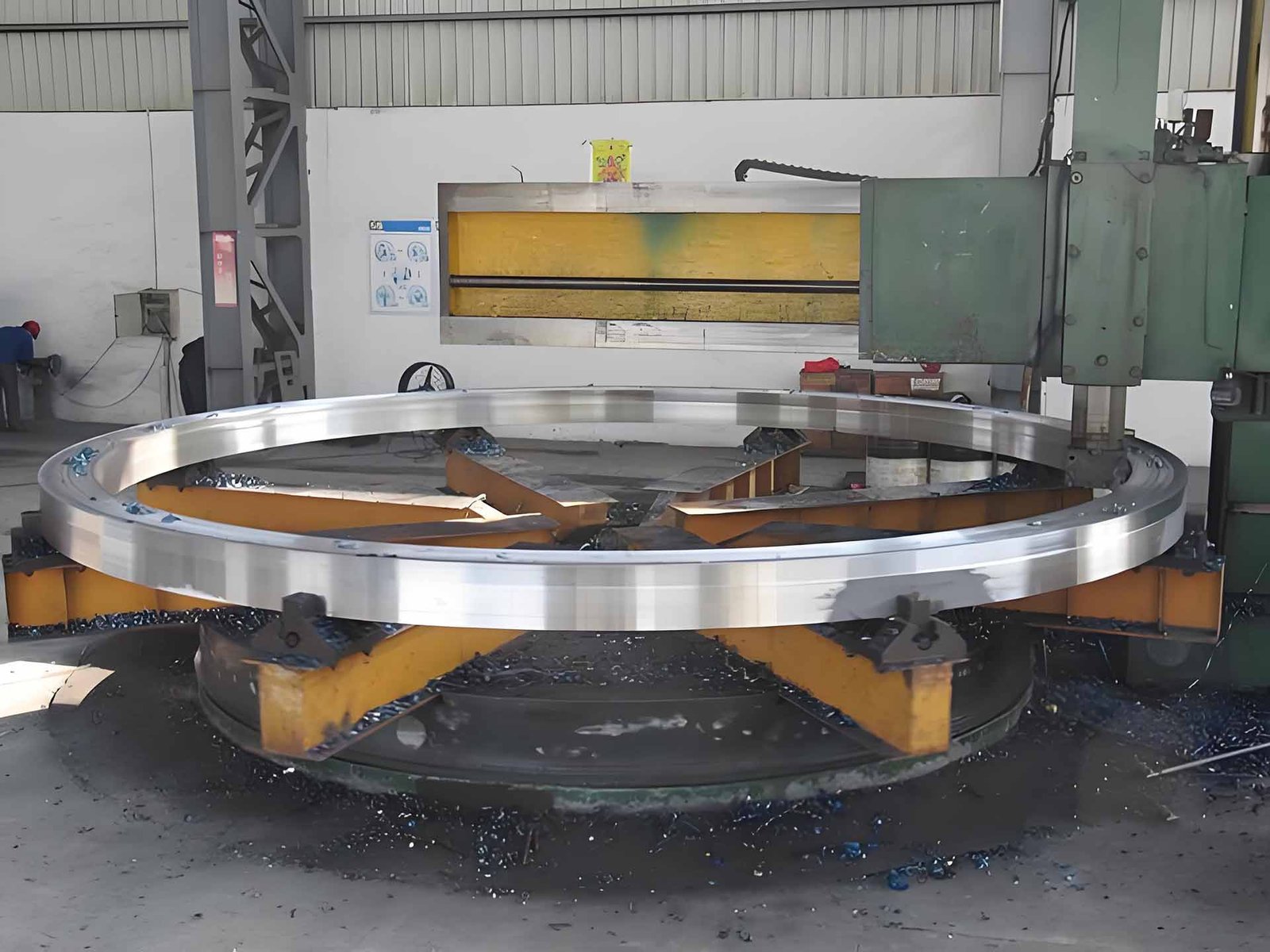
In many industrial projects, aluminum forged rings are selected not just for weight reduction, but for predictable performance under load. Compared with cut or cast rings, forged aluminum rings are formed through deformation, which improves internal structure and reduces the chance of defects.
For applications involving rotation, pressure, or long service cycles, this difference becomes more obvious over time.
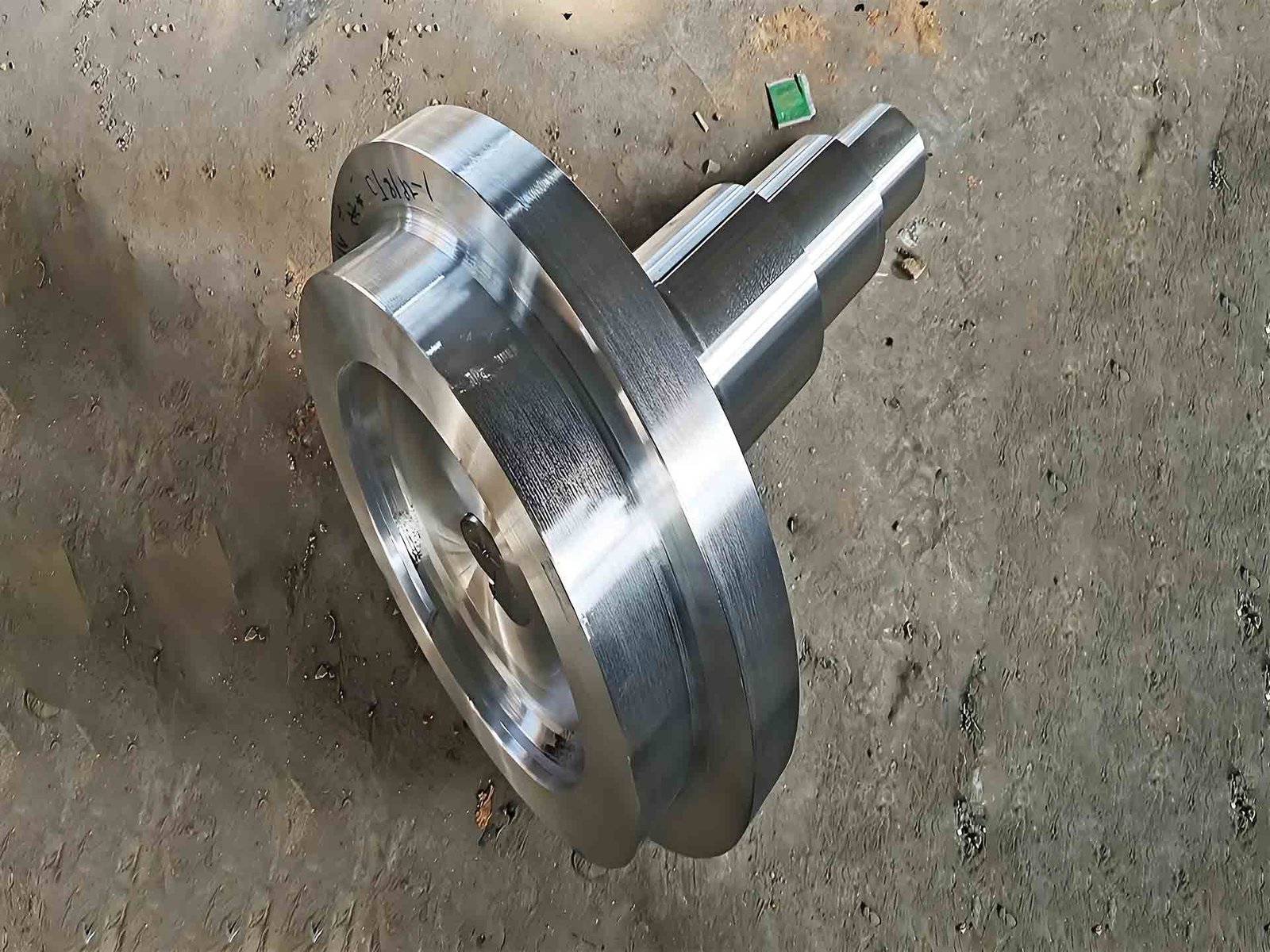
Aluminum is mainly favored for manufacturing in the modern world because it can deliver the benefits of low weight as well as good corrosion resistance. However, simple cast aluminum pieces might not be sturdy enough for parts that have to bear a high load or be subjected to repeated stress.